From the Golden Temple to Patna Sahib, explore 5 iconic gurudwaras that showcase India's rich Sikh heritage.
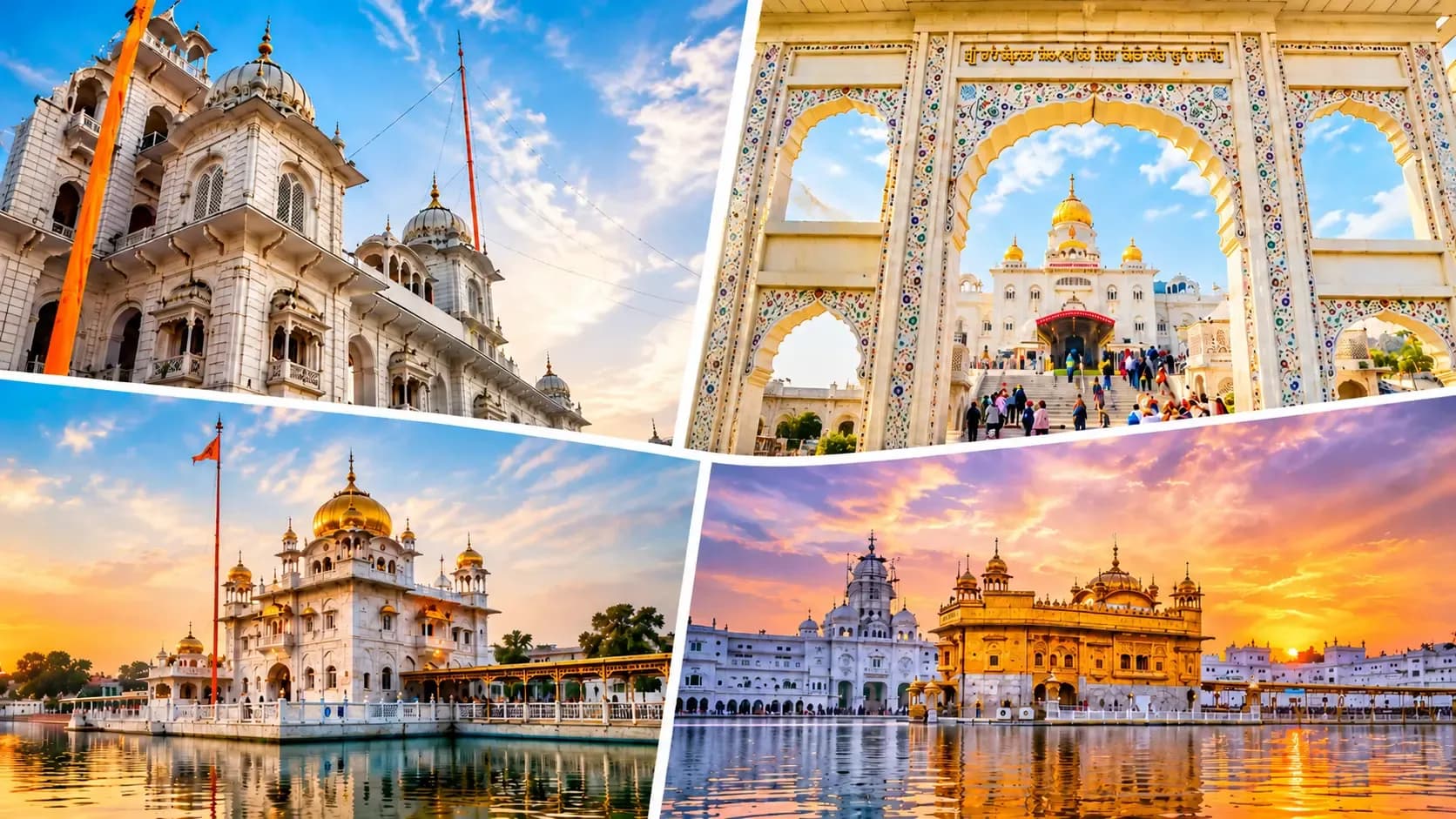
India is home to some of the most revered Sikh pilgrimage sites, attracting devotees and travellers with their rich history, peaceful surroundings and spiritual significance. While the Golden Temple in Amritsar is among the most famous, several other gurudwaras across the country offer equally meaningful experiences.
From the serene surroundings of Manikaran Sahib to the historic Takht Sri Patna Sahib, these sacred places are worth adding to your travel bucket list.
The word gurudwara comes from two Punjabi words: gur, meaning guru or teacher, and dwara, meaning door or gateway. Together, it means “the gateway to the Guru.”
Inside a gurudwara, the Guru Granth Sahib, the holy scripture of Sikhism, is respectfully placed on a decorated takht or raised platform. Devotees gather for prayers and kirtans based on its teachings.
One of the most important traditions associated with gurudwaras is langar, a free community kitchen where people from all backgrounds sit together and share a vegetarian meal. It represents equality, humility and selfless service.
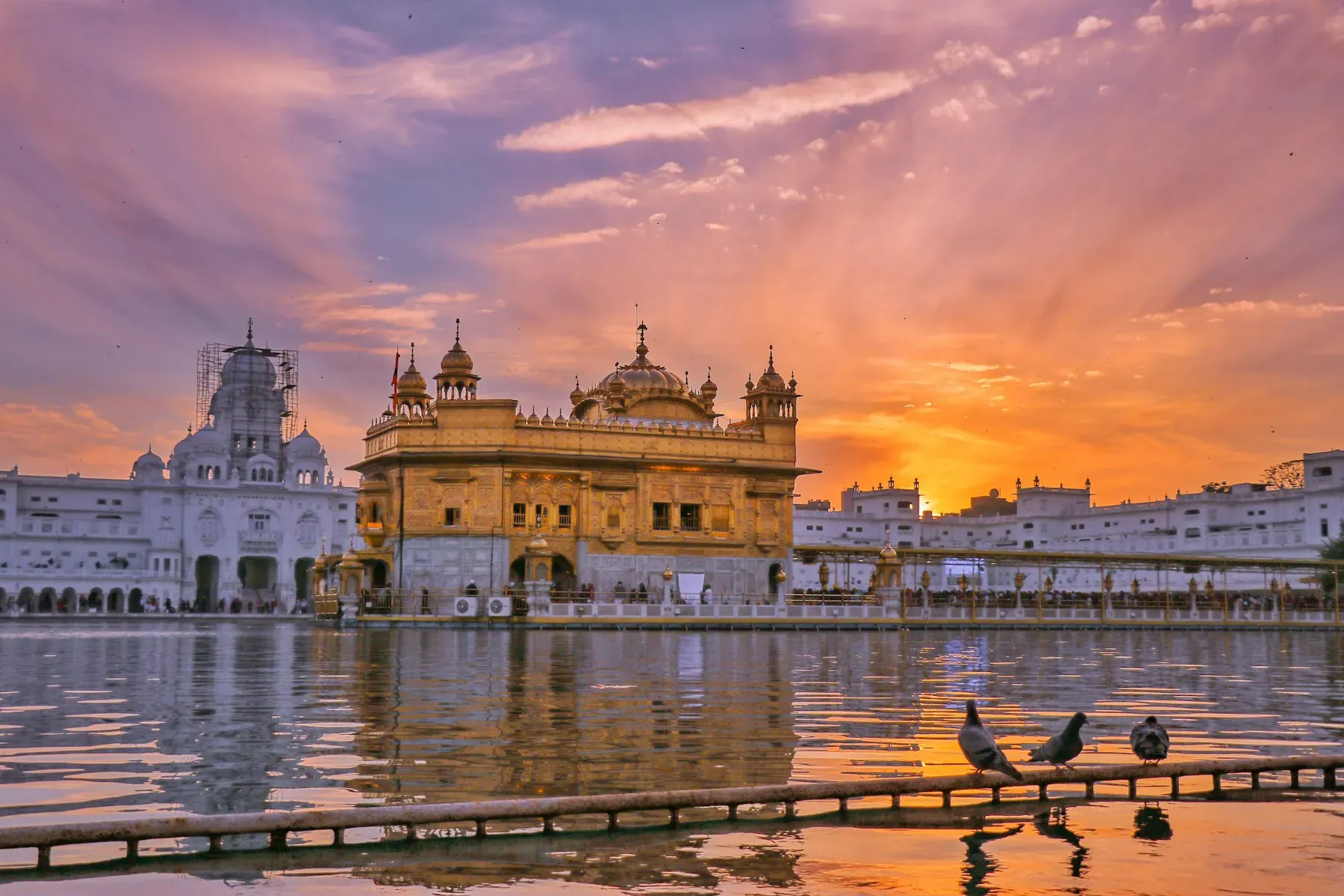
Located in Amritsar, Punjab, the Golden Temple, also known as Sri Harmandir Sahib, is one of the most revered Sikh shrines in the world.
Its magnificent golden architecture, peaceful surroundings and tradition of selfless service attract millions of visitors. The temple complex offers a deeply spiritual experience, while the surrounding sarovar adds to its serene atmosphere.
Best time to visit: October to March.
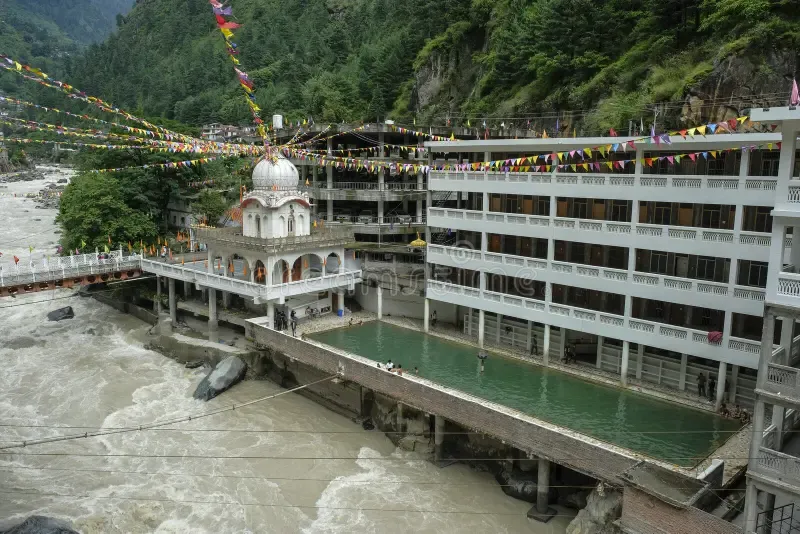
Located on the banks of the Parvati River in Himachal Pradesh's Kullu district, Manikaran Sahib is surrounded by scenic mountains and is an important pilgrimage destination.
The gurudwara is particularly famous for its natural hot springs, where water emerges from the ground at high temperatures. One of its unique traditions is cooking langar food using the hot spring water.
If you are travelling to Manali or Kasol, Manikaran Sahib can be an important stop on your itinerary.
Best time to visit: April to June and September to November.
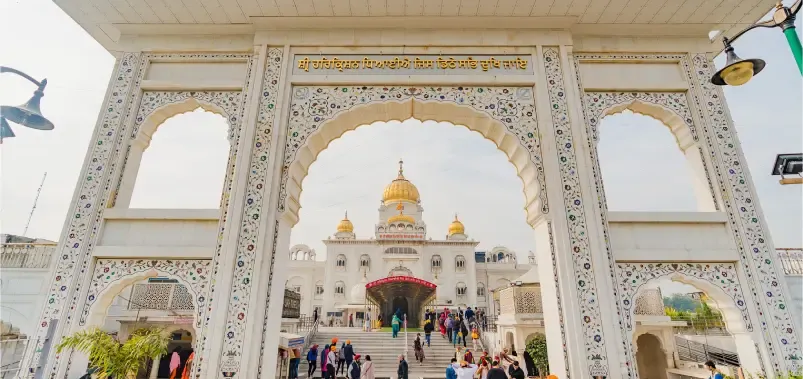
Located in the heart of Delhi, Gurudwara Bangla Sahib is one of the city's most recognised landmarks.
The gurudwara is known for its peaceful atmosphere and beautiful sarovar, or holy pond. It welcomes thousands of devotees and visitors every day.
Early mornings are ideal for experiencing the calm atmosphere and prayers, while evenings offer a different experience as the gurudwara is beautifully illuminated.
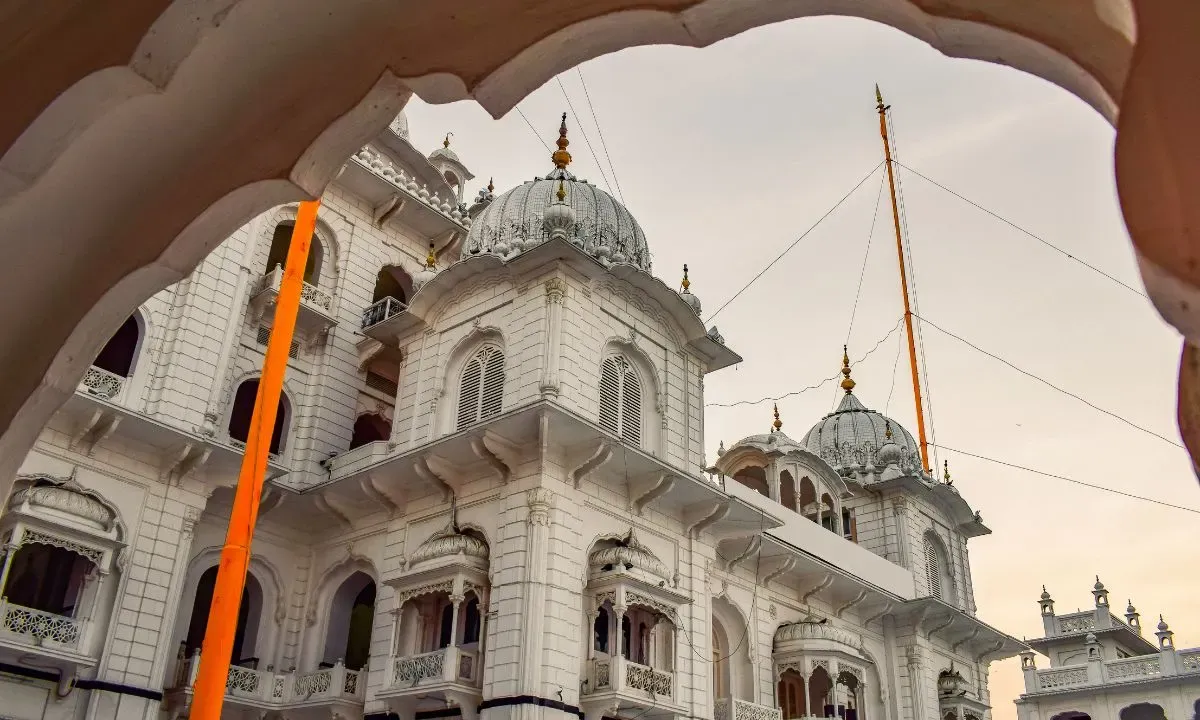
Takht Sri Harmandir Ji Patna Sahib is one of the five Takhts of Sikhism and is located in Patna, Bihar.
The site holds immense religious importance as it is believed to be the birthplace of Guru Gobind Singh Ji, the tenth Sikh Guru.
The gurudwara's white marble architecture creates a peaceful setting for visitors. Travellers can also explore historic Sikh sites nearby, including Guru Ka Bagh and Kangan Ghat.
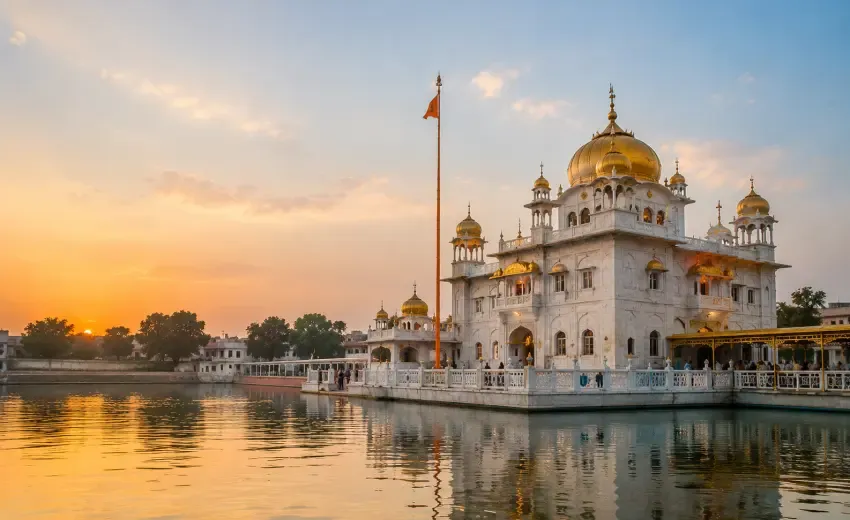
Located on the banks of the Godavari River in Nanded, Maharashtra, Takht Sri Hazoor Sahib is another of the five sacred Takhts of Sikhism.
Officially known as Takht Sachkhand Sri Hazoor Achalnagar Sahib, the gurudwara is believed to be the place where Guru Gobind Singh Ji spent his final days.
The site is known for its spiritual atmosphere, soulful kirtans and rich Sikh heritage.
Best time to visit: October to March.
A visit to these historic gurudwaras is not only about religious pilgrimage. They also offer travellers an opportunity to experience India's history, architecture, traditions, community service and spiritual heritage.
From the iconic Golden Temple in Amritsar to Hazoor Sahib in Nanded, each destination has its own story and atmosphere.
Whether you are travelling for faith, history or simply seeking a peaceful experience, these famous gurudwaras in India offer a memorable journey through the country's rich Sikh heritage.
Share it with your friends