Dive into Kerala’s rich cultural heritage with these top 10 traditional ritual art forms, each reflecting centuries-old traditions, mythology, and spiritual significance.
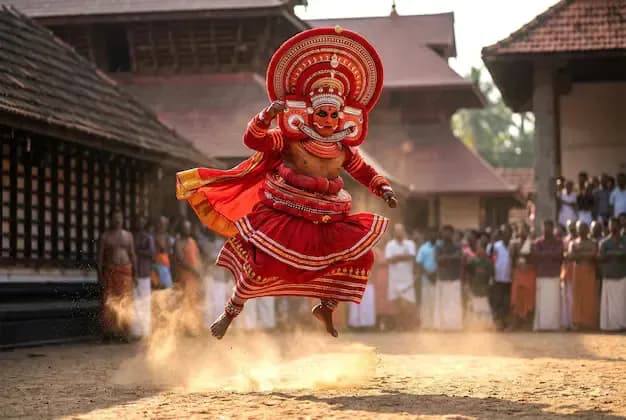
Kerala, often celebrated as God’s Own Country, is not just known for its scenic beauty but also for its deeply rooted cultural and spiritual heritage. Among its most fascinating traditions are the ritual art forms that blend devotion, mythology, performance, and community participation into powerful cultural expressions.
These art forms are far more than performances-they are sacred rituals passed down through generations, embodying the beliefs, legends, and social narratives of the region. From elaborate costumes and rhythmic music to symbolic storytelling, each ritual art form offers a glimpse into Kerala’s spiritual consciousness and cultural evolution.
Here are the top 10 traditional ritual art forms of Kerala, along with their history and meaning.
Read More: Top 10 Famous Festivals of Kerala You Must Experience in 2026
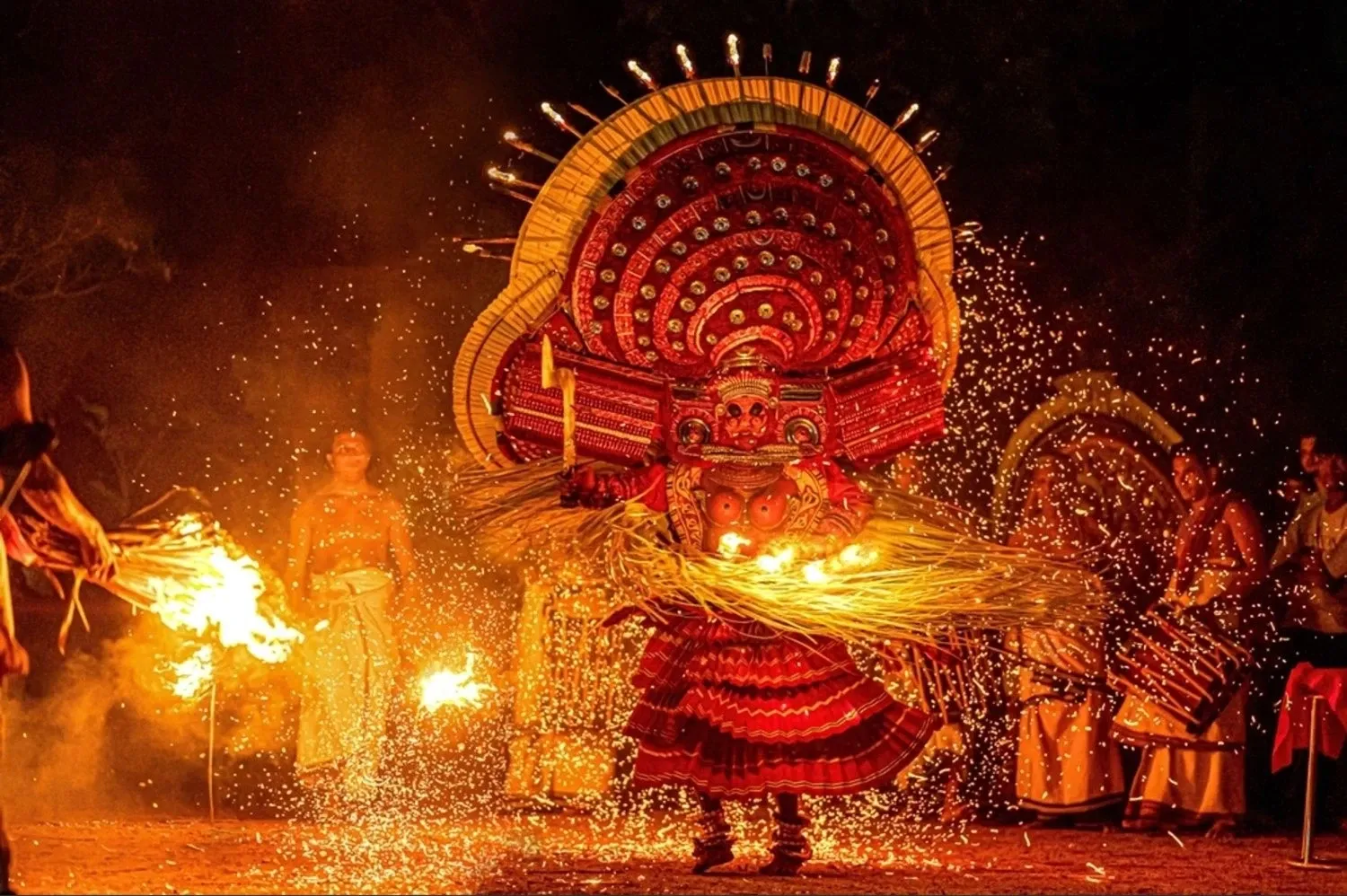
One of the most iconic ritual art forms of North Kerala, Theyyam is a vibrant and visually stunning performance where artists transform into deities. Rooted in ancient tribal traditions, Theyyam is performed in temples and sacred groves (kavus).
History & Meaning:
Dating back over 1,000 years, Theyyam reflects the worship of local heroes, spirits, and gods. The performers are believed to embody divine presence, and devotees seek blessings directly from them. It represents a unique blend of spirituality, social equality, and folklore.
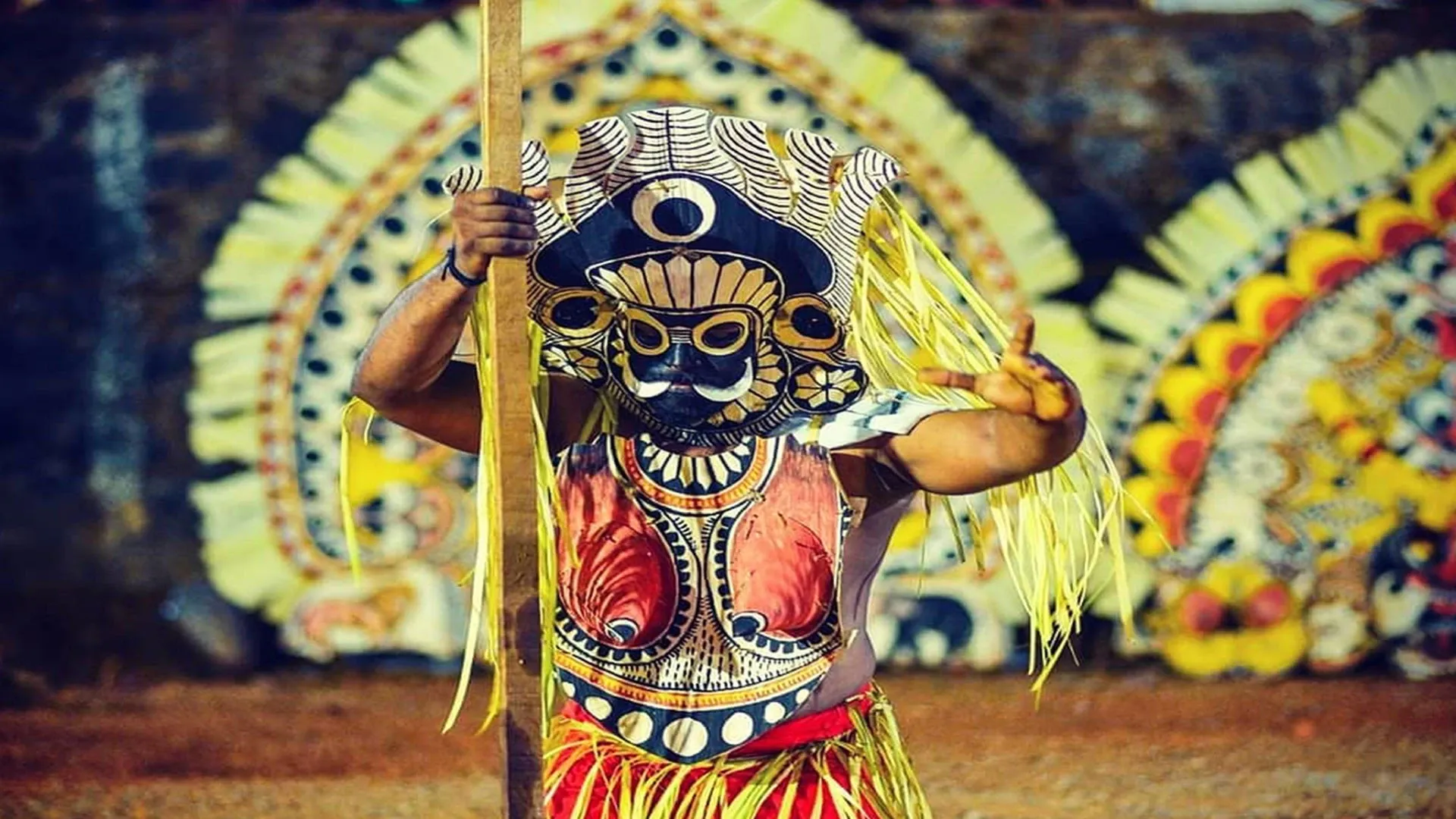
Padayani is a ritual dance form performed in the temples of Central Kerala, particularly in honor of Goddess Bhadrakali. It is known for its large, colorful masks called kolams.
History & Meaning:
Originating from ancient Dravidian traditions, Padayani symbolizes the victory of good over evil. The rhythmic movements and vibrant masks depict mythological characters and stories, often associated with the goddess’s battle against demons.
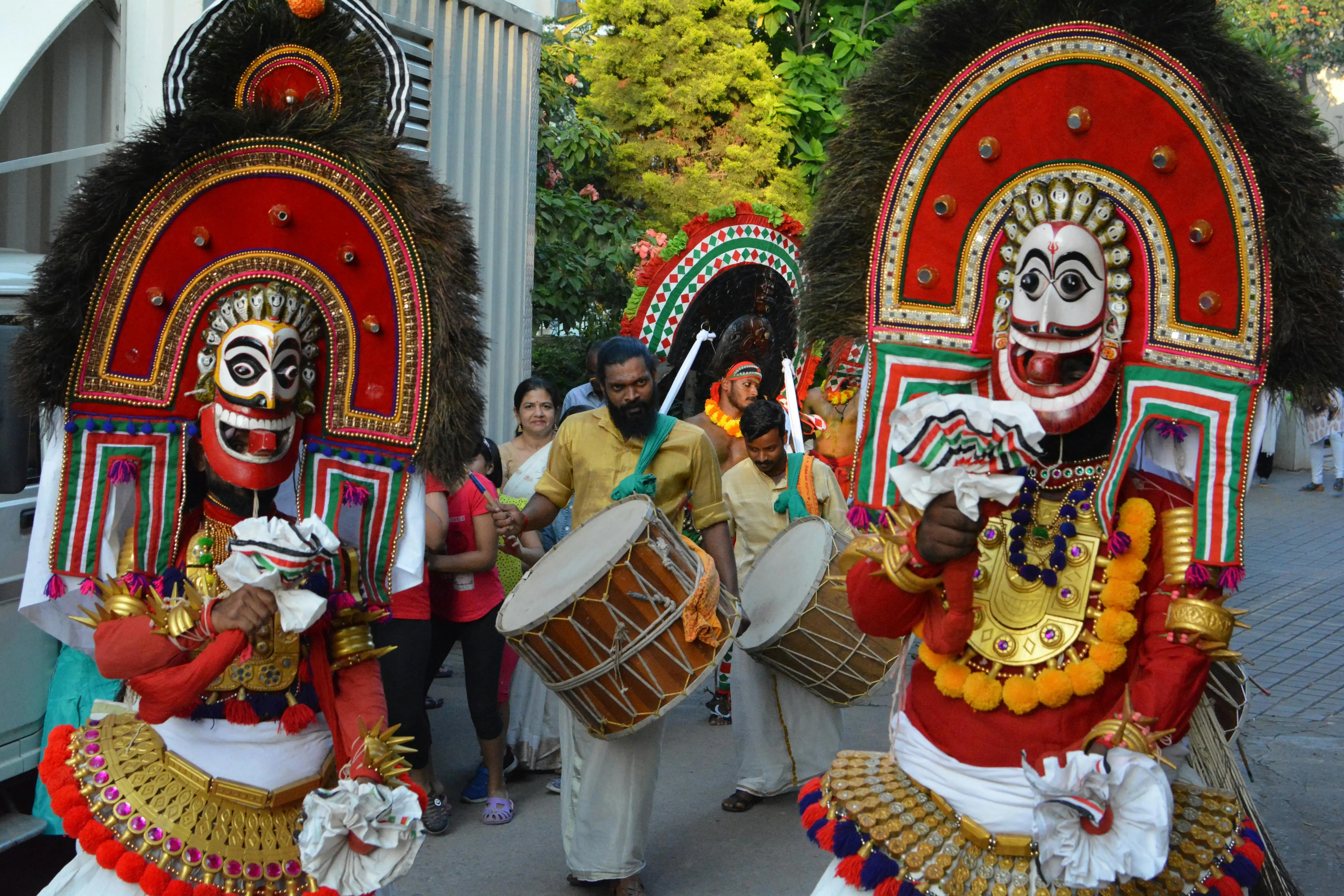
This ritual performance is dedicated to Goddess Kali and is popular in parts of Thrissur district. It involves two main characters-Poothan and Thira-who perform energetic dances.
History & Meaning:
Poothan represents fierce, destructive energy, while Thira symbolizes divine grace. The performance is believed to ward off evil spirits and bring prosperity and protection to households.
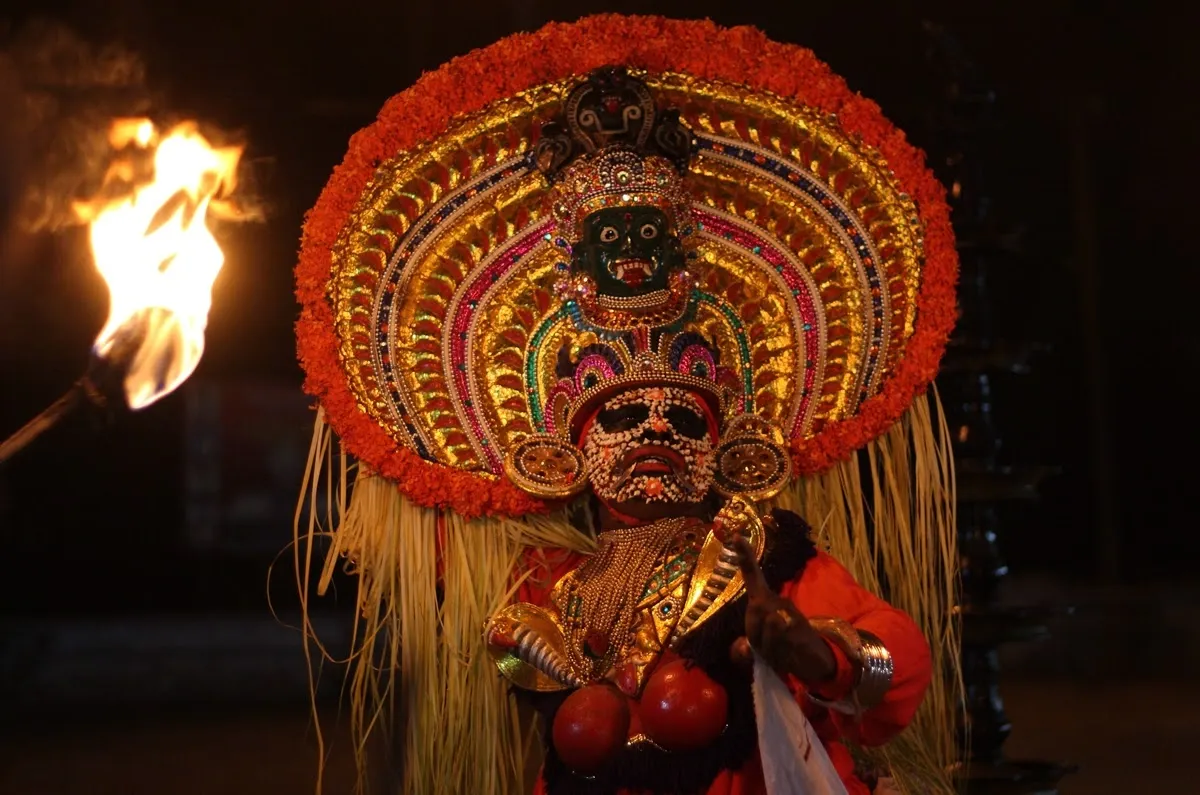
Mudiyettu is a traditional temple ritual dance-drama that enacts the mythological battle between Goddess Kali and the demon Darika.
History & Meaning:
Recognized by UNESCO as an Intangible Cultural Heritage, Mudiyettu has been performed for centuries in Bhagavathy temples. It signifies the triumph of divine power over evil forces and is deeply rooted in community participation.
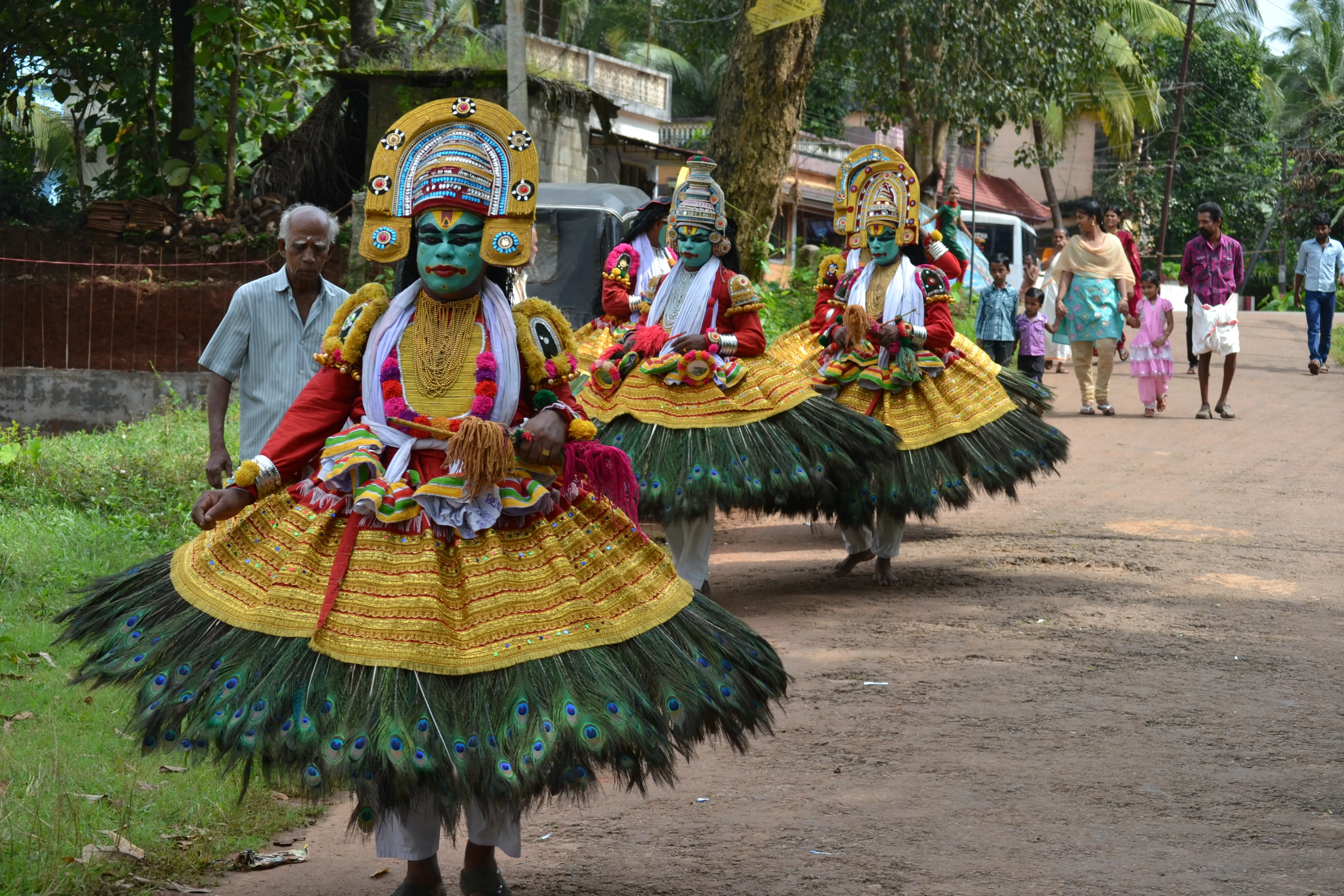
Also known as Mayilpeeli Thookkam, Arjuna Nritham is a ritual dance performed by men wearing peacock feathers. It is associated with temples dedicated to Lord Krishna.
History & Meaning:
Inspired by the character Arjuna from the Mahabharata, this art form symbolizes devotion, discipline, and valor. The rhythmic footwork and unique costume reflect a blend of mythology and artistic expression.
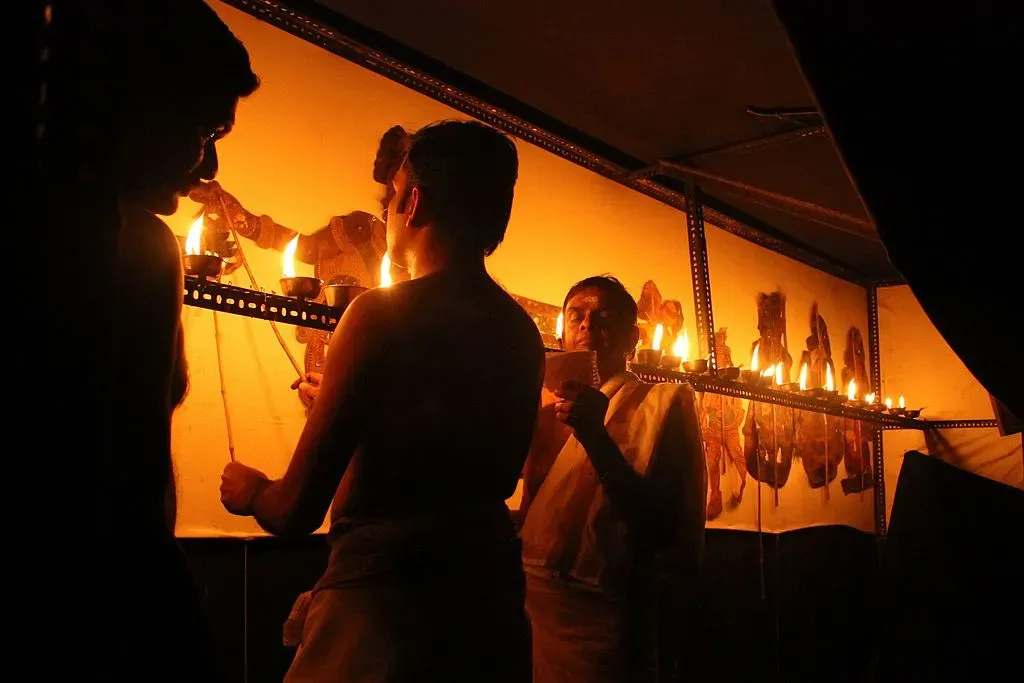
Tholpavakoothu is a shadow puppetry art form performed in temple theatres called koothu madams. It narrates stories from the Ramayana.
History & Meaning:
Dating back centuries, this ritual is performed as an offering to Goddess Bhadrakali. The puppets, made of leather, are intricately designed and animated to depict epic tales, symbolizing the victory of righteousness.
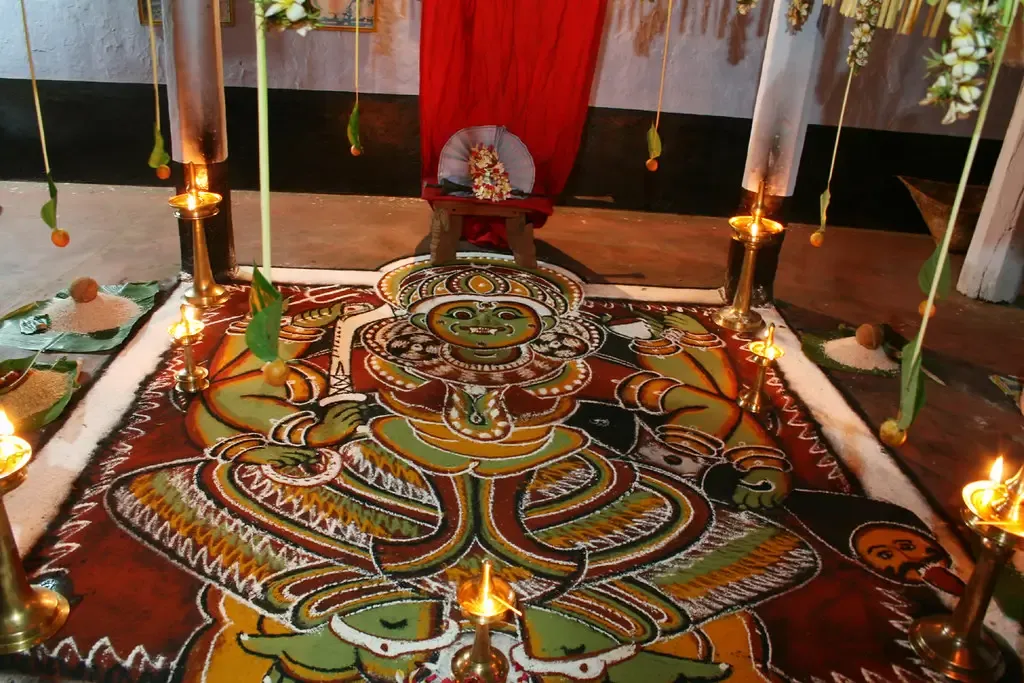
Kalamezhuthu is a unique ritual art involving the creation of intricate floor drawings using natural powders. These artworks depict deities and are accompanied by ritualistic songs and performances.
History & Meaning:
This tradition is deeply spiritual, where the drawing (kalam) is considered a temporary abode of the deity. It emphasizes the transient nature of life and the importance of devotion.
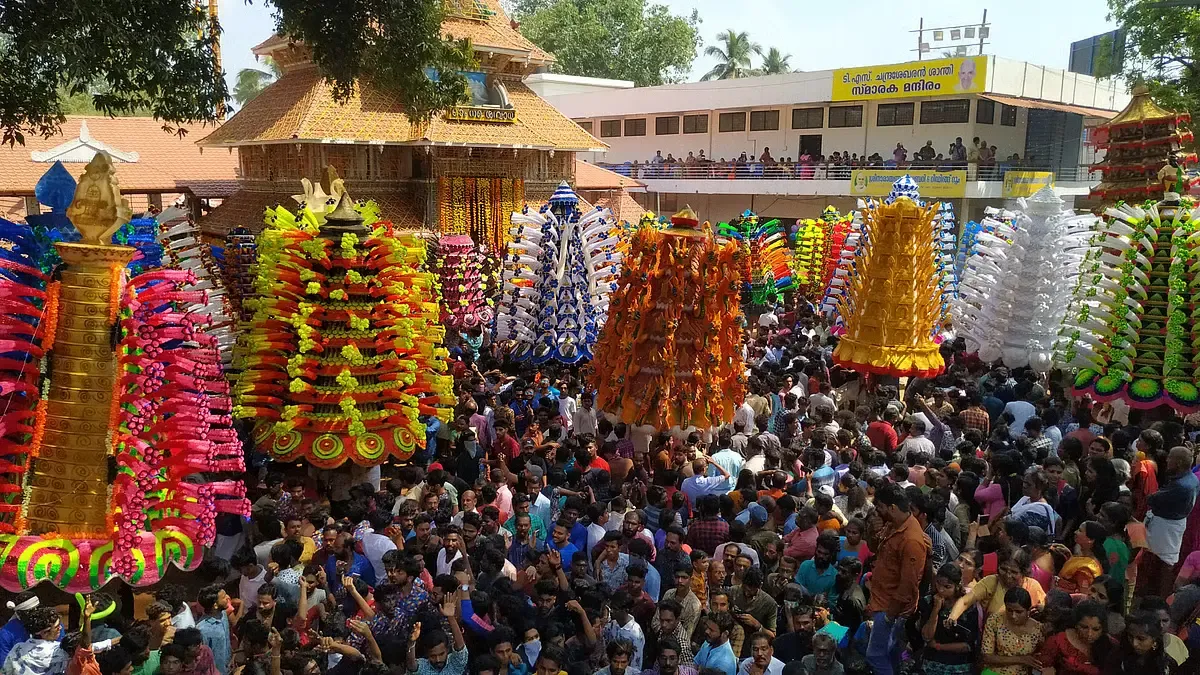
Kavadiyattam is a devotional dance performed during festivals dedicated to Lord Murugan. Devotees carry decorated structures called kavadi as part of their offering.
History & Meaning:
Rooted in Tamil and Kerala traditions, this ritual symbolizes penance, faith, and devotion. The dance is often performed as an act of thanksgiving or fulfillment of vows.
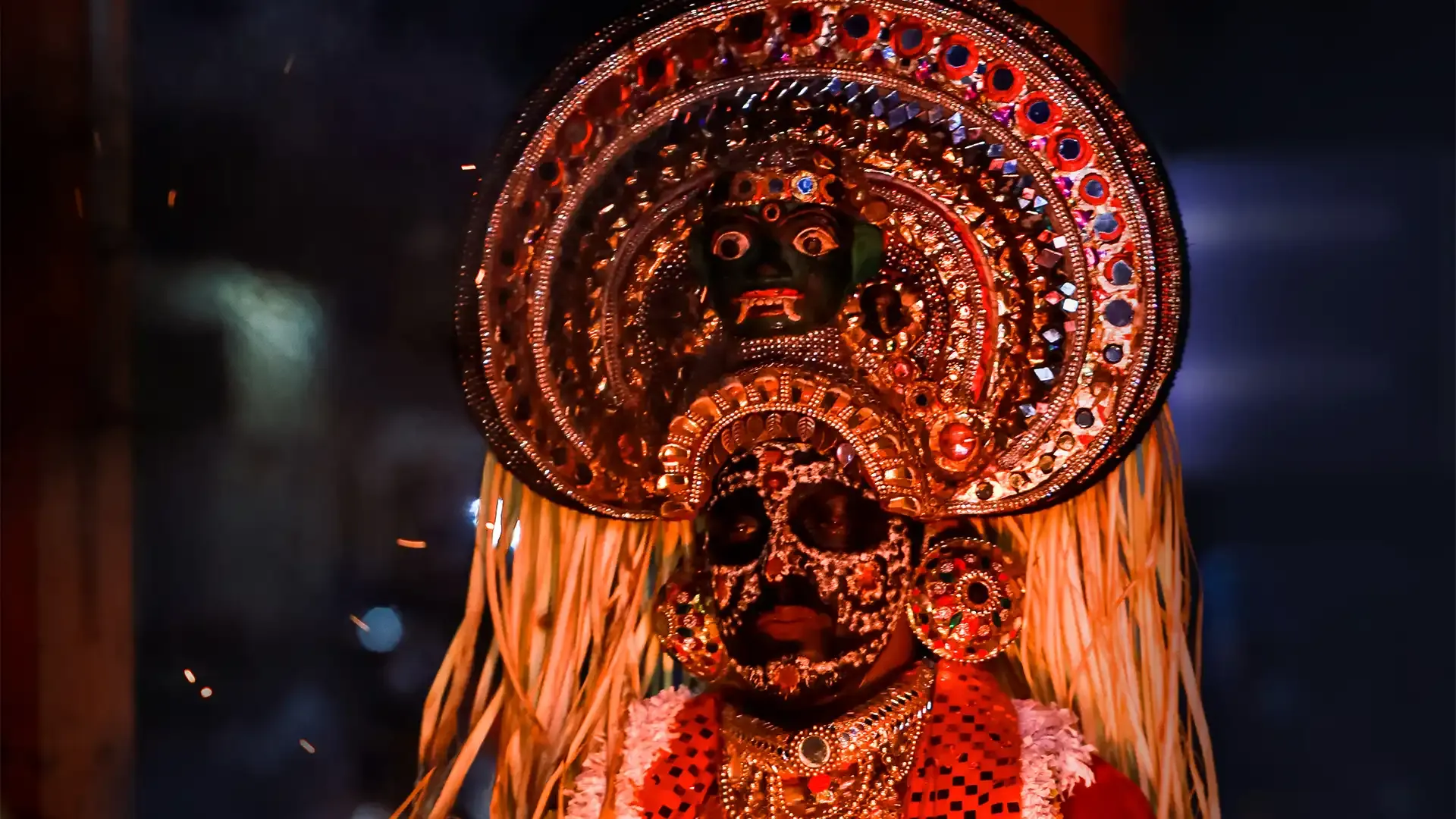
Theeyattu is a temple ritual art performed in honor of Goddess Bhadrakali, combining storytelling, dance, and music.
History & Meaning:
It narrates the story of Kali’s victory over the demon Darika. The performance is believed to purify the surroundings and invoke divine blessings, reinforcing the eternal triumph of good over evil.
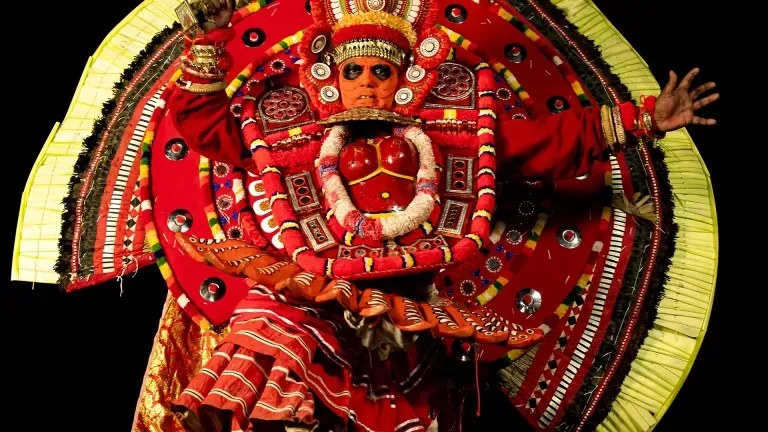
Thirayattam is a ritual dance form performed in sacred groves and temples, especially in North Kerala. It involves elaborate costumes, face painting, and symbolic movements.
History & Meaning:
This art form integrates dance, music, and theatre to depict mythological and ancestral spirits. It reflects Kerala’s deep-rooted belief in nature worship and ancestral reverence.
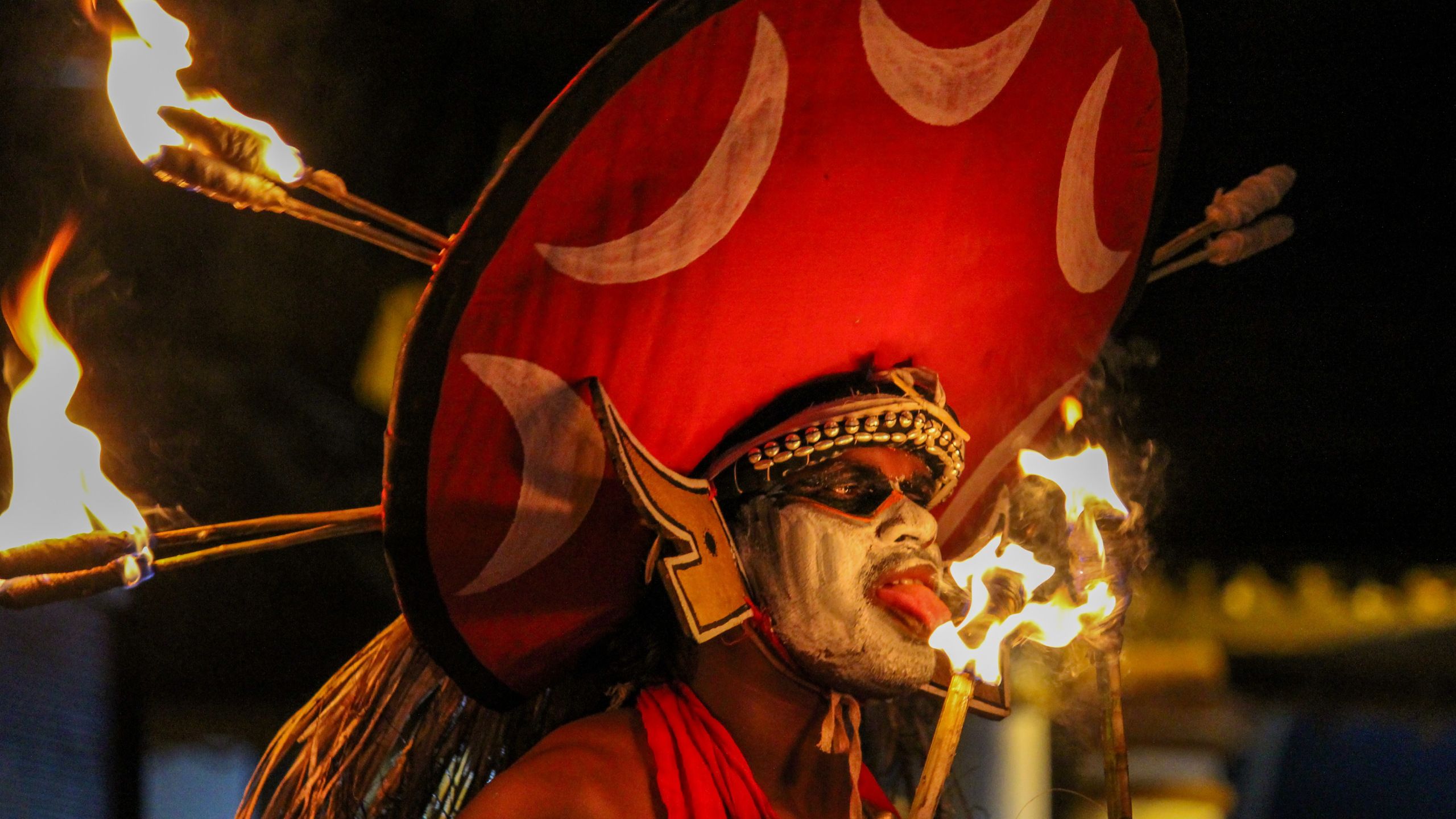
The ritual art forms of Kerala are living traditions that continue to thrive despite the passage of time. They are not merely performances but sacred expressions of faith, identity, and community. Each art form carries centuries of history and meaning, offering a powerful connection between the past and the present.
Preserving these traditions is essential, as they represent the soul of Kerala’s cultural heritage. Whether you are a traveler, a cultural enthusiast, or a curious learner, experiencing these ritual art forms provides a deeper understanding of the state’s rich and vibrant legacy.
Share it with your friends