Planning a Japan trip in November 2026? Discover autumn foliage, temples, seasonal food, hot springs, illuminations and more.
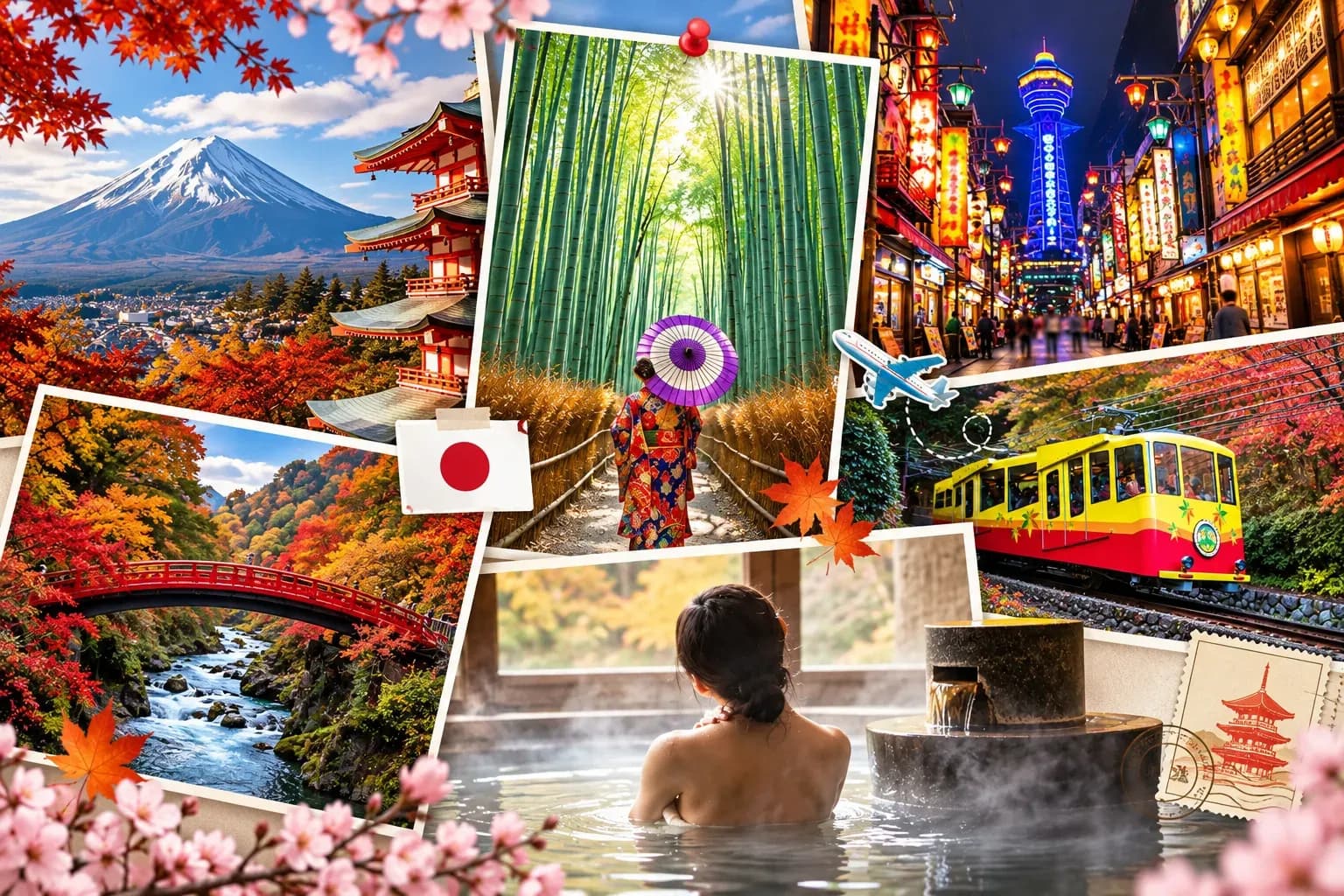
November is one of the most appealing months to visit Japan. Autumn colours spread across parks, temples and mountain landscapes, the weather is generally comfortable for sightseeing, and cities such as Tokyo and Kyoto begin their seasonal illumination events.
For travellers planning a Japan trip in November 2026, the month offers much more than autumn foliage. You can explore historic temples, enjoy seasonal Japanese food, take a hot-spring break, visit traditional markets and experience Japan's evening illuminations.
Here are some of the best things to do in Japan in November 2026, along with practical tips for planning your trip.
November brings cooler weather and colourful autumn scenery to much of Japan. The Japan National Tourism Organization notes that November generally brings clear skies and vibrant autumn foliage, although temperatures can become chilly, particularly in the mornings and evenings.
The timing of autumn colours differs by region and elevation. In Tokyo, peak foliage is generally around mid-November to early December, while Kyoto's autumn colours commonly become prominent from mid-November.
This makes November particularly suitable for:
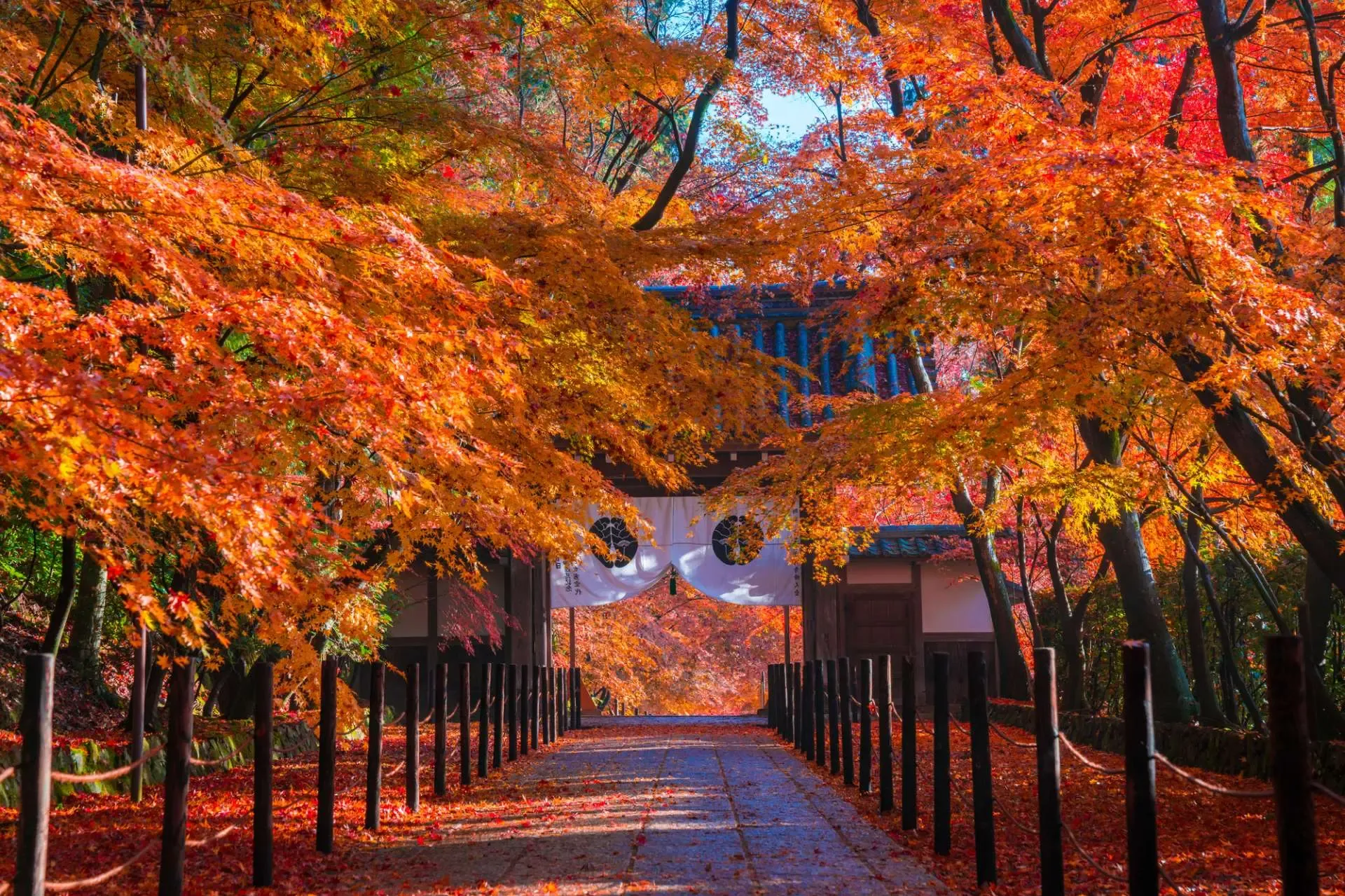
If autumn scenery is one of your main reasons for visiting Japan, Kyoto should be high on your itinerary.
November brings changing maple leaves to Kyoto's temples, gardens and mountain areas. The city's official tourism guide notes that November is when Kyoto's famous autumn colours become particularly prominent.
Kiyomizu-dera:
The historic temple provides views across Kyoto and is particularly atmospheric when the surrounding maple trees turn red and orange.
Arashiyama:
Combine the famous bamboo grove with autumn scenery around the Katsura River and surrounding hills.
Takao:
Located in the northern part of Kyoto, Takao is known for autumn foliage and historic temples.
Tofukuji:
The temple is one of Kyoto's well-known autumn foliage locations and can become extremely busy during peak periods.
Kyoto's autumn colours generally begin appearing in late October, with many locations reaching peak colour around mid-November, although exact timing changes from year to year.
Tip: If your main goal is autumn foliage, consider travelling in the middle or latter part of November and check the official foliage updates shortly before your trip.
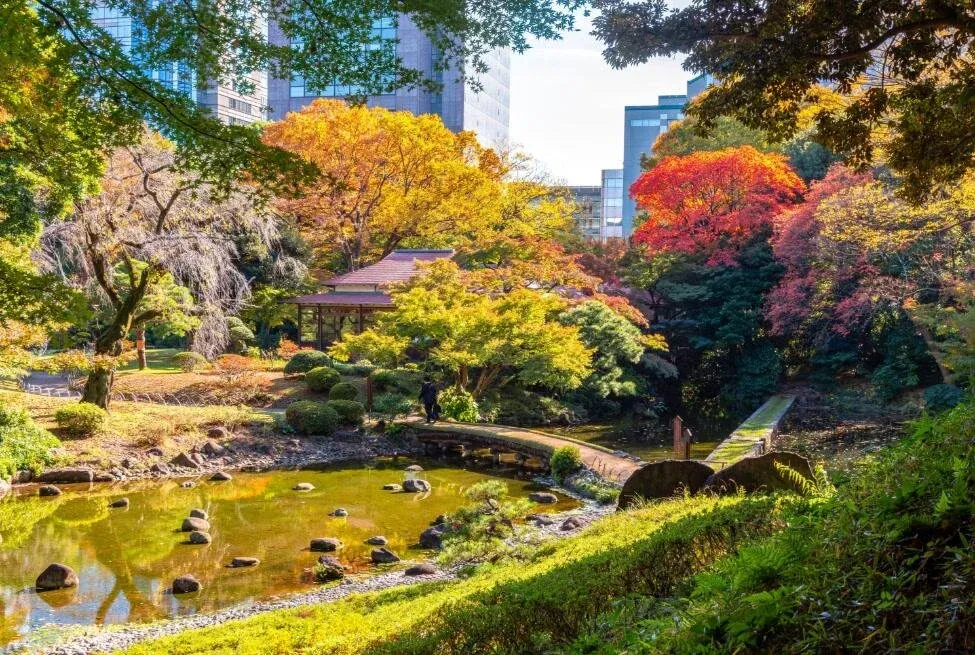
Tokyo may be known for skyscrapers and shopping, but November transforms many of its parks and traditional gardens.
The city's official tourism guide says Tokyo's autumn leaves generally peak from mid-November to early December.
Rikugien Gardens
This traditional Japanese garden is particularly beautiful in late November and early December.
Koishikawa Korakuen Gardens
Its maple trees and traditional landscaping make it another popular autumn viewing location.
Meiji Jingu Gaien
The avenue's rows of ginkgo trees create a striking golden-yellow autumn scene.
Hama-rikyu Gardens
This garden offers an interesting combination of traditional landscapes, autumn colours and Tokyo's modern skyline.
November is a good month to explore Tokyo on foot, but temperatures can become chilly after sunset, so carry a light jacket or warm layer.
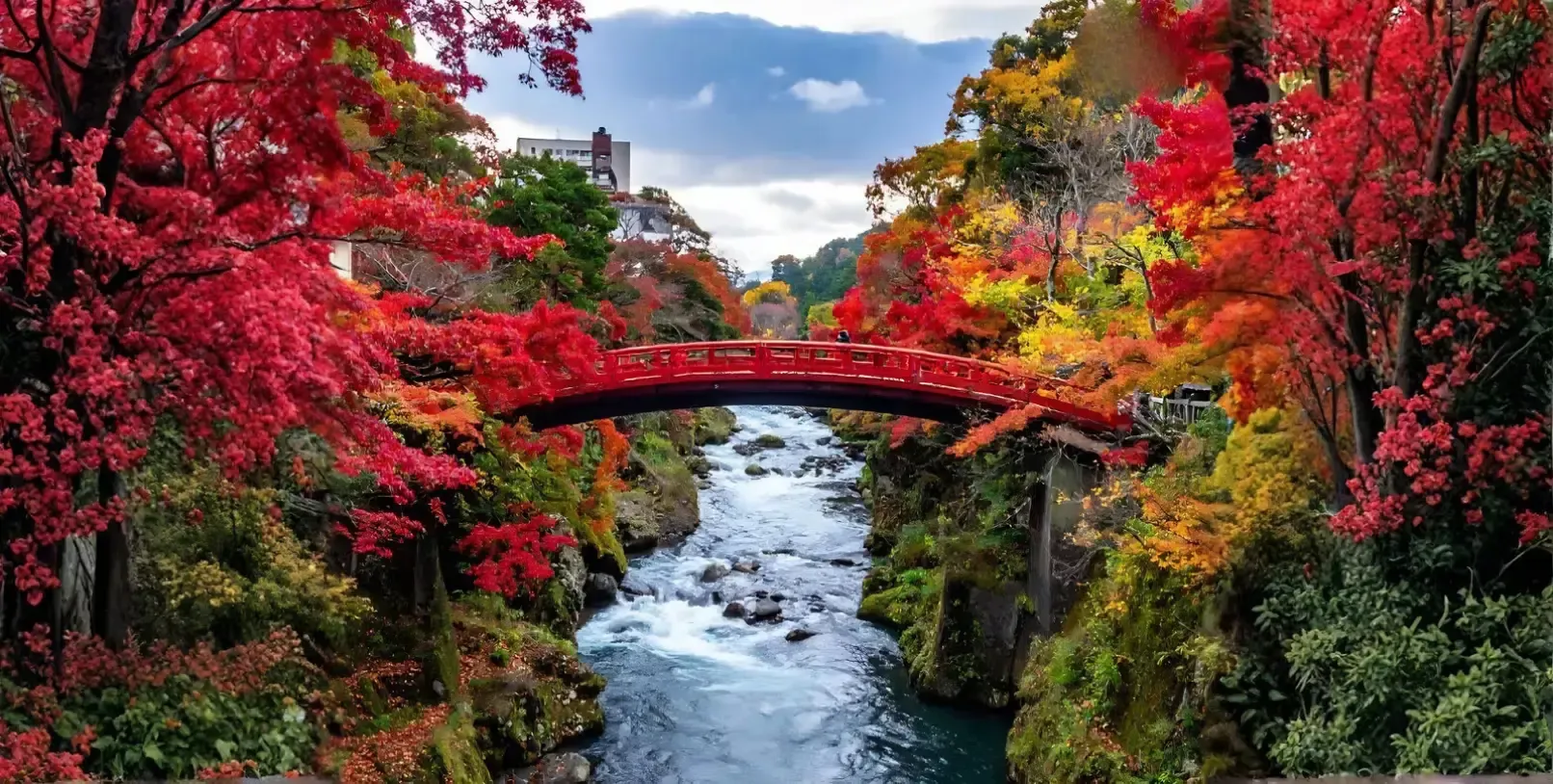
Nikko is an excellent addition to a Tokyo itinerary if you want to combine autumn scenery with Japanese history and architecture.
The area is home to Nikko Toshogu Shrine, one of Japan's most celebrated shrine complexes. The surrounding mountains and trees add another layer of colour during autumn.
You can explore:
Because foliage changes earlier at higher elevations, check local conditions when deciding whether to visit at the beginning or later part of November.
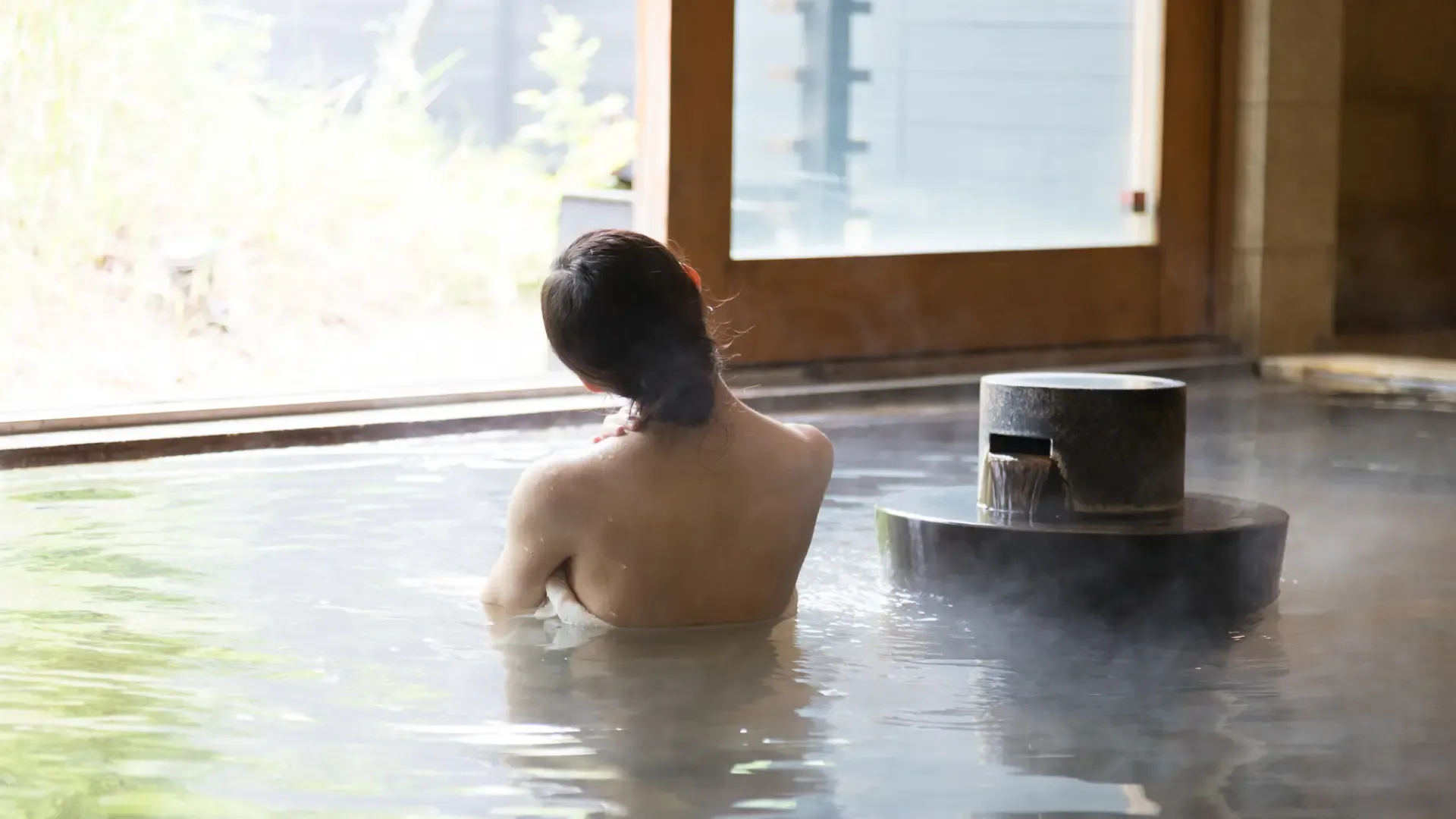
November's cooler temperatures make it an excellent time to experience an onsen, or traditional Japanese hot spring.
After spending a day walking through temples, gardens or mountain trails, soaking in a hot spring can be a relaxing way to experience another part of Japanese culture.
Popular onsen destinations include:
The Japan National Tourism Organization specifically recommends hot-spring destinations as a way to enjoy Japan's cooler November weather.
Tip: Onsen etiquette is important. Most traditional baths require guests to wash before entering the communal bathing area.
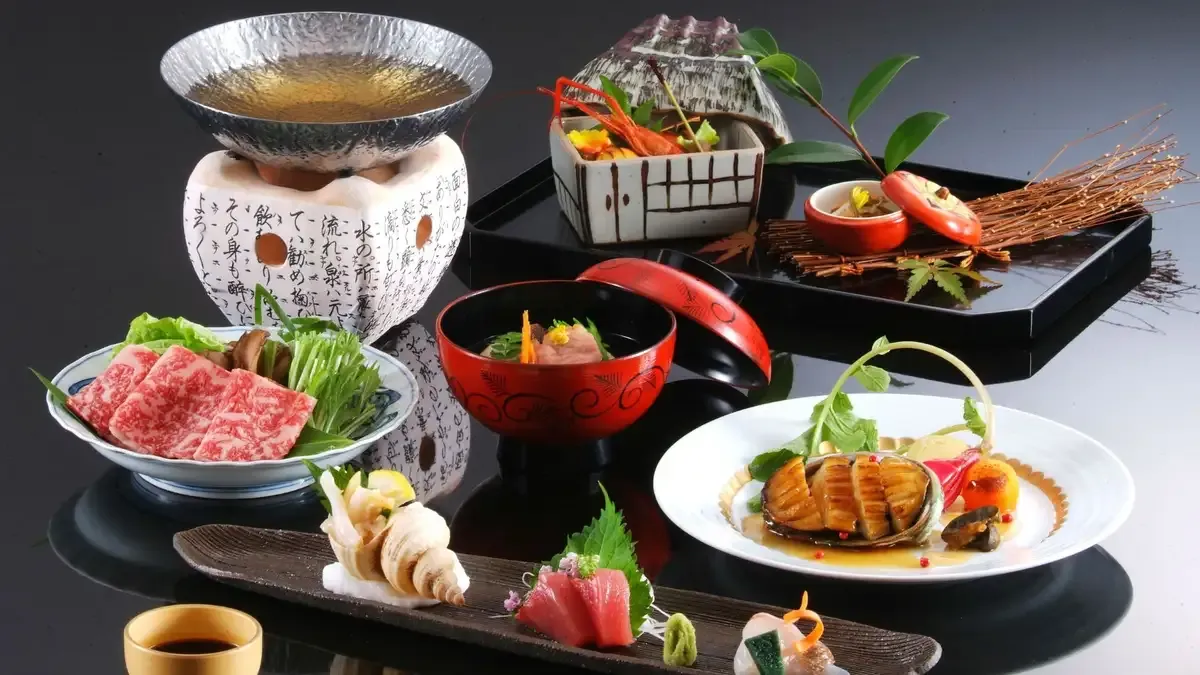
November is also a good time to explore Japan's seasonal food culture.
Depending on where you travel, you can look for:
In cities such as Tokyo, Kyoto and Osaka, restaurants and markets make it easy to combine seasonal food with sightseeing.
Don't leave Japan without trying a local speciality in each destination you visit. Kyoto, Osaka and Tokyo all have distinctly different food cultures.
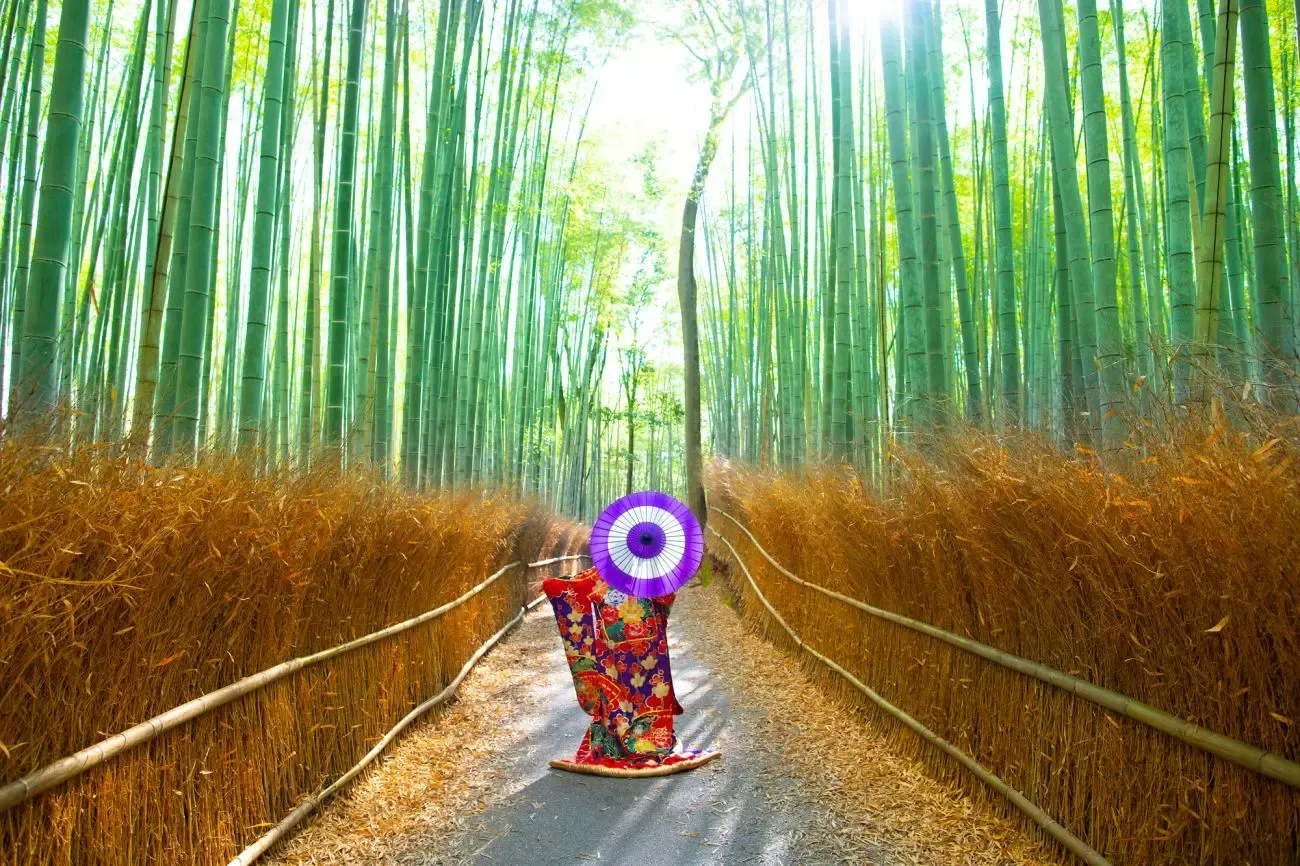
Arashiyama is one of Kyoto's most recognisable sightseeing areas, and November gives the district an additional attraction: autumn colours.
Start with the Arashiyama Bamboo Grove, then continue towards:
Because Arashiyama is extremely popular, visiting early in the morning can make the experience more comfortable, especially during the busy autumn season.
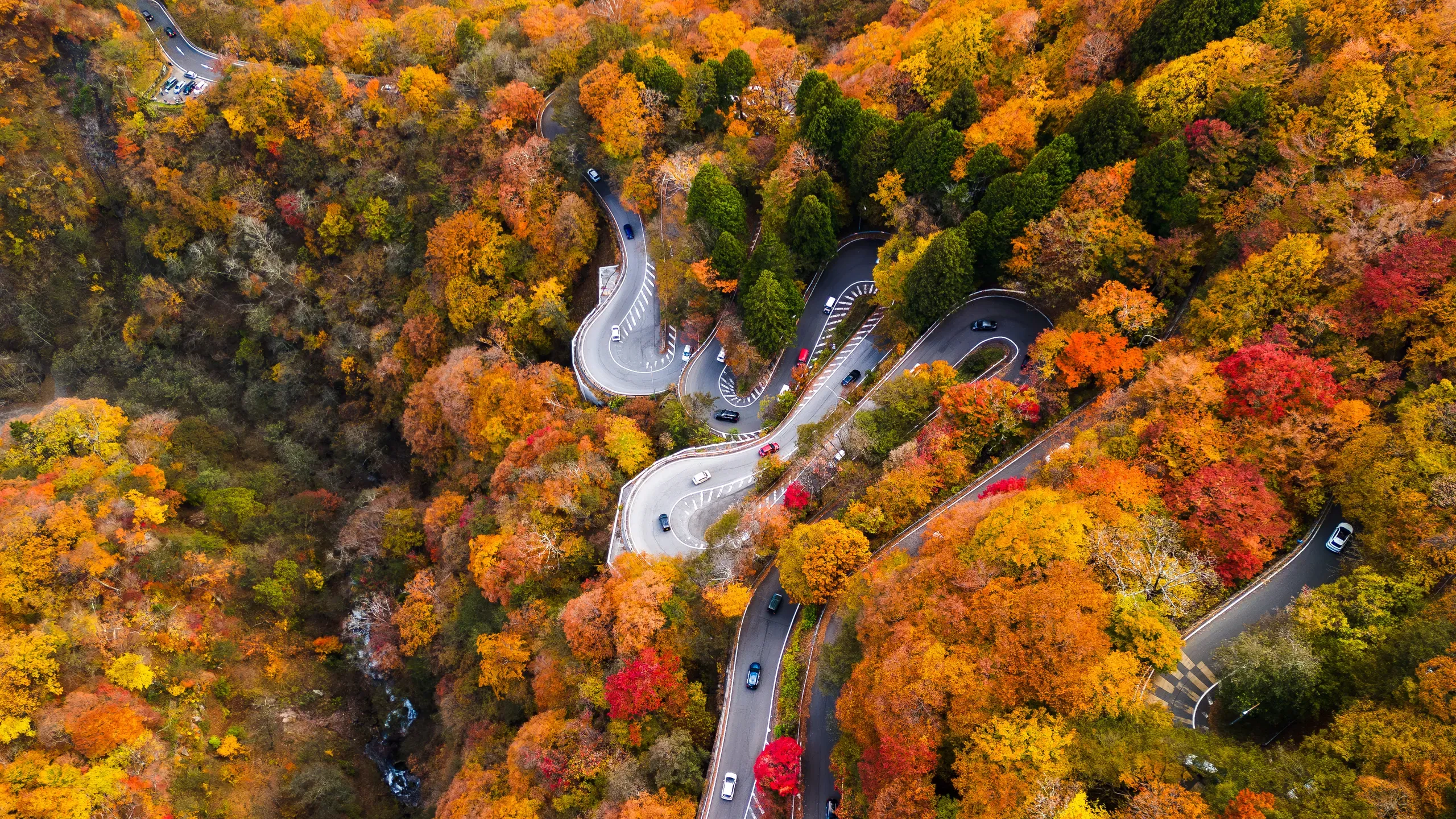
Japan's shorter autumn days bring another attraction: night illuminations.
Several temples, gardens and parks hold seasonal light-up events around November. JNTO notes that illumination events often begin during November as the country moves towards winter.
Kyoto is particularly known for nighttime autumn views. The city's official event listings include special illumination and nighttime viewing at To-ji Temple from October 31 to December 13, 2026.
Tokyo also has seasonal illumination experiences, including events around gardens and entertainment areas.
Tip: Evening temperatures can drop significantly, so dress in layers.
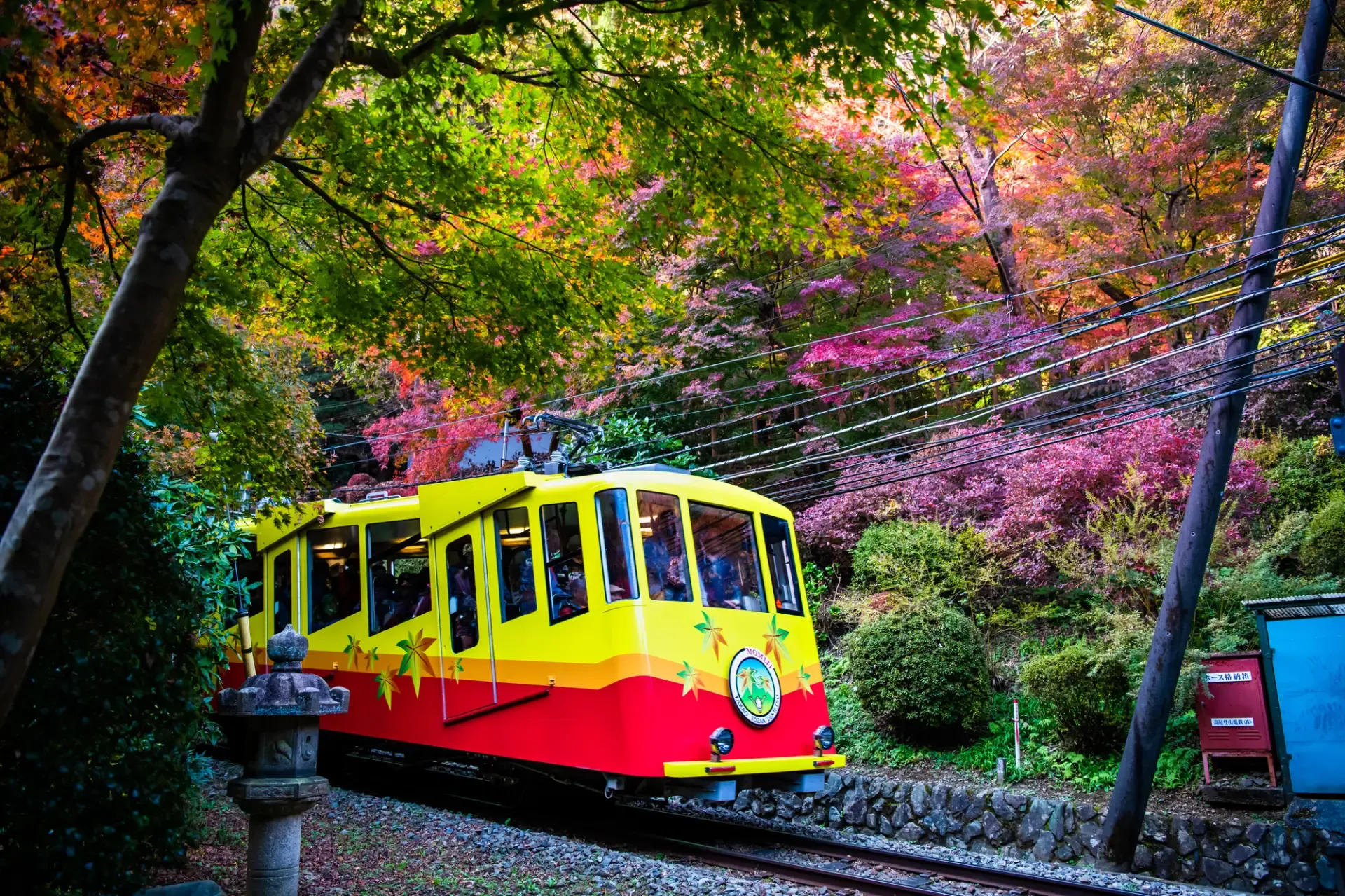
You don't have to leave the Tokyo region completely to experience mountains and autumn foliage.
Mount Takao is an accessible day-trip destination where visitors can combine hiking, nature and autumn scenery.
According to the official Tokyo tourism guide, the mountain area generally reaches its autumn colour period around mid-November to early December.
It is particularly suitable for travellers who want a break from Tokyo's busy urban environment without adding a long journey to their itinerary.
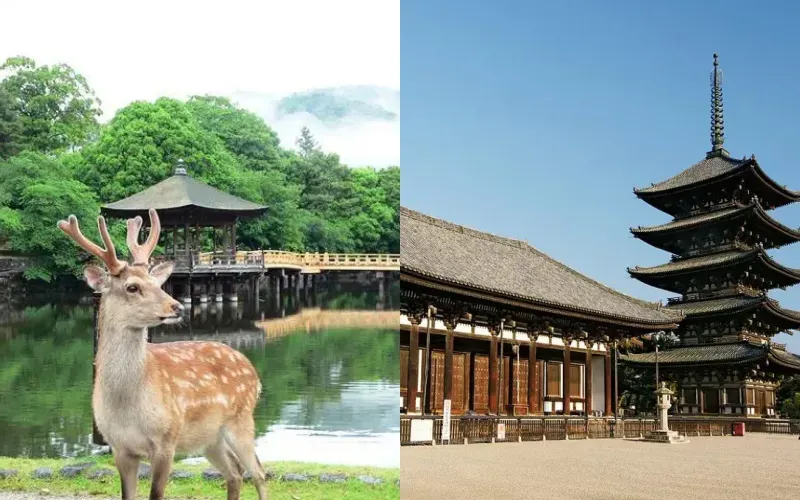
Nara is another excellent addition to a Kyoto itinerary.
The city is famous for Nara Park, where visitors can see its free-roaming deer alongside temples, gardens and autumn scenery.
You can also visit:
Nara can be visited as a day trip from Kyoto or Osaka, making it easy to include in a multi-city Japan itinerary.
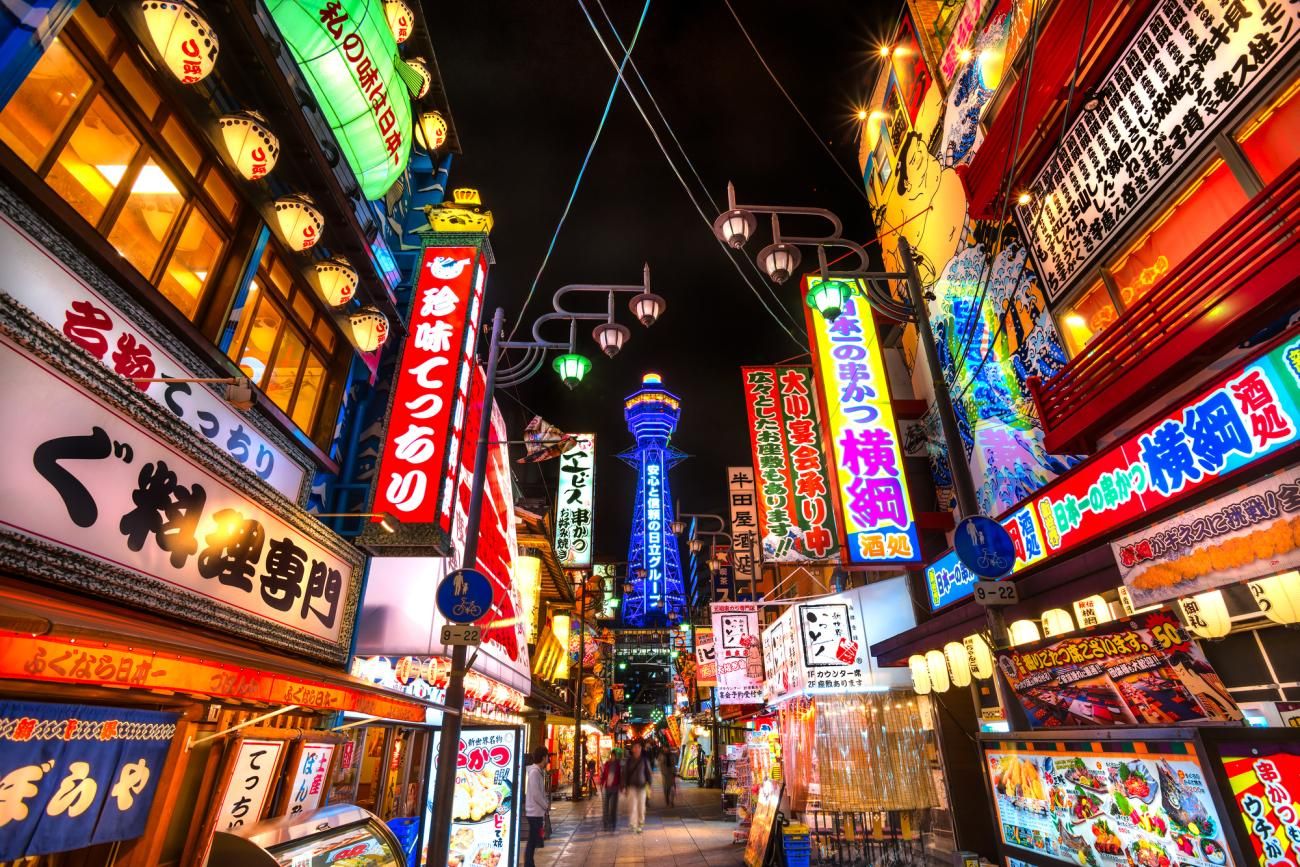
November isn't only about autumn leaves. Osaka is a great destination for travellers who want to experience Japanese food, shopping and nightlife.
Spend the day exploring Osaka Castle and its surrounding park before heading to areas such as:
Try local favourites such as takoyaki, okonomiyaki and kushikatsu.
For travellers combining Tokyo and Kyoto, Osaka is an easy addition to a classic Japan itinerary.
If you have around 7–10 days, a practical itinerary could look like this:
Explore Shibuya, Asakusa, Meiji Jingu, Tokyo's gardens and autumn foliage spots.
Choose Nikko for history and mountain scenery, or Mount Takao for a shorter nature escape.
Visit Kiyomizu-dera, Arashiyama, Fushimi Inari, traditional neighbourhoods and autumn gardens.
Take a day trip to Nara Park and Todai-ji.
Explore Osaka Castle, Dotonbori, Namba and the city's food scene.
If you have more time, you can add Hakone, Hiroshima, Miyajima, Kanazawa or an onsen town.
November is generally cooler than October, with temperatures varying considerably between northern Japan, central Japan and southern regions.
For Tokyo and Kyoto, expect cooler mornings and evenings, with comfortable daytime conditions on many days. JNTO describes November across much of Japan as cool to chilly, while Tokyo's official guide recommends carrying warmer layers as autumn progresses.
Pack:
Kyoto can become particularly busy around peak autumn foliage periods. JNTO specifically notes that Kyoto can be crowded towards the end of November when foliage reaches its peak.
Autumn colours depend on temperature, elevation and location. Even within the same city, different gardens and mountain areas can peak at different times.
Popular locations such as Arashiyama and Kyoto's major temples can become crowded during autumn.
Japan's rail network makes it practical to combine Tokyo, Kyoto, Osaka and other major destinations without renting a car.
For 2026 travel, check the latest foliage reports and individual attraction schedules shortly before your trip.
Yes. November offers autumn foliage, generally comfortable sightseeing weather, seasonal food and numerous cultural and illumination events. Exact foliage timing varies by region and year.
Kyoto and Tokyo are two of the most popular choices, but Nikko, Takao, Nara and mountain areas can also offer excellent autumn scenery.
Japan becomes increasingly cool during November. Morning and evening temperatures can feel chilly, particularly later in the month, so warm layers are recommended.
Kyoto can become very busy during peak autumn foliage periods, particularly later in November. Planning early starts and booking accommodation in advance can help.
For a first trip, 7–10 days can cover Tokyo, Kyoto and Osaka with one or two day trips. Two weeks allows you to explore at a more relaxed pace and add destinations such as Nara, Hakone, Hiroshima or Kanazawa.
Japan in November 2026 offers a combination of autumn scenery, cultural experiences, seasonal food and comfortable sightseeing conditions. From Kyoto's colourful temples and Tokyo's autumn gardens to Nikko's mountain landscapes and Osaka's food scene, there is plenty to experience beyond the usual tourist attractions.
For autumn foliage, remember that timing varies by location and weather. Check official foliage updates before finalising your itinerary, especially if seeing the red and golden leaves is the main purpose of your trip.
Share it with your friends