India's monsoon season transforms the country into its most breathtaking version - roaring waterfalls, neon-green valleys, and misty lake cities. Here are the 10 destinations worth getting wet for in 2026.

The monsoon is India's best-kept travel secret. While crowds swarm Manali and Shimla in peak summer, the rains transform the rest of the country into something out of a dream - waterfalls that didn't exist three months ago, forests so green they glow, lake cities wrapped in silver mist. Hotel rates drop. Trails empty out. And the landscape? Utterly alive.
In 2026, with brutal heat waves arriving earlier than ever and popular hill stations buckling under summer tourism, the monsoon is no longer a contrarian choice - it's the smart one. This guide covers the 10 destinations you simply cannot miss between June and September, with everything you need to plan a perfect rain-soaked escape.
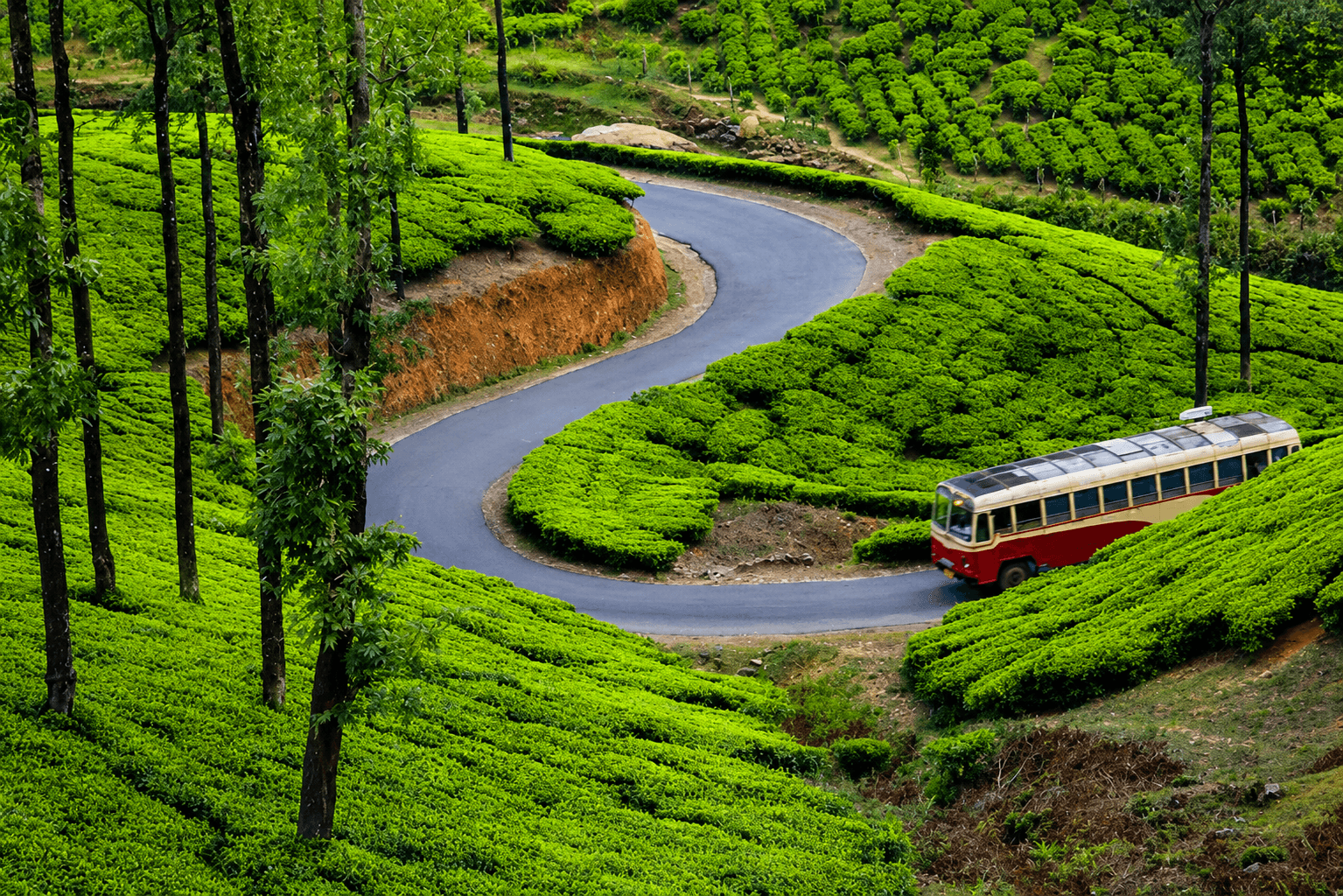
If there is one image that defines India in monsoon, it is this: rolling tea estates disappearing into silver mist, rain drumming softly on the leaves, a cup of freshly brewed chai warming your hands. Munnar delivers that image in real life, and then some.
From June to September, Kerala's beloved hill station transforms into an ethereal landscape of neon-green plantations and roaring waterfalls. The Attukal and Chinnakanal Falls swell to thunderous proportions - a paradise for photographers and nature lovers alike. The Eravikulam National Park offers one of the few chances to spot the elusive Nilgiri tahr against a rain-kissed mountain backdrop, and the Tata Tea Museum takes on a moody, atmospheric quality that the dry season simply cannot offer.
Best time to visit: July – August Altitude: 1,600 m above sea level Don't miss: Eravikulam National Park, Chinnakanal Falls, the tea estate walks at dawn
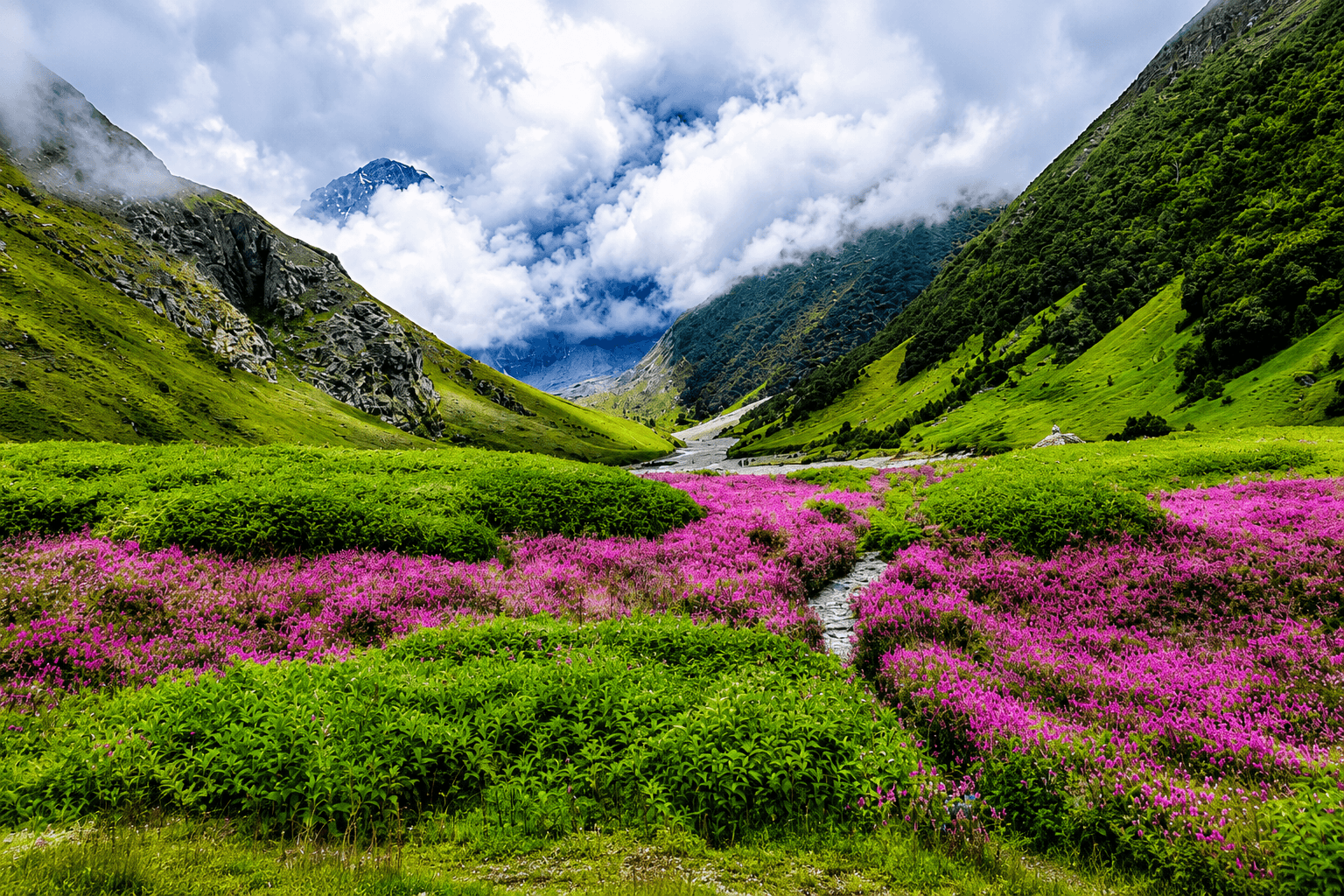
This is one of the most extraordinary facts in Indian travel: the Valley of Flowers, a UNESCO World Heritage Site, only opens during monsoon. The trek runs from June 1 to October 10, 2026, but the true sweet spot is July 21 to August 10, when the high-altitude alpine meadow erupts in over 500 species of wildflowers in every colour imaginable. The rare Brahma Kamal - Uttarakhand's state flower - blooms exclusively in August.
The trek begins at Govindghat, with a base at Ghangaria. Expect slippery sections, leeches on the trail, and clouds that roll in without warning. The payoff is a landscape so impossibly beautiful that seasoned trekkers describe it as the most memorable thing they have ever seen in India.
Best time to visit: Late July – mid-August Entry fee: ₹150 for Indians, ₹650 for foreigners (3-day pass) Don't miss: Brahma Kamal bloom in August, Hemkund Sahib nearby
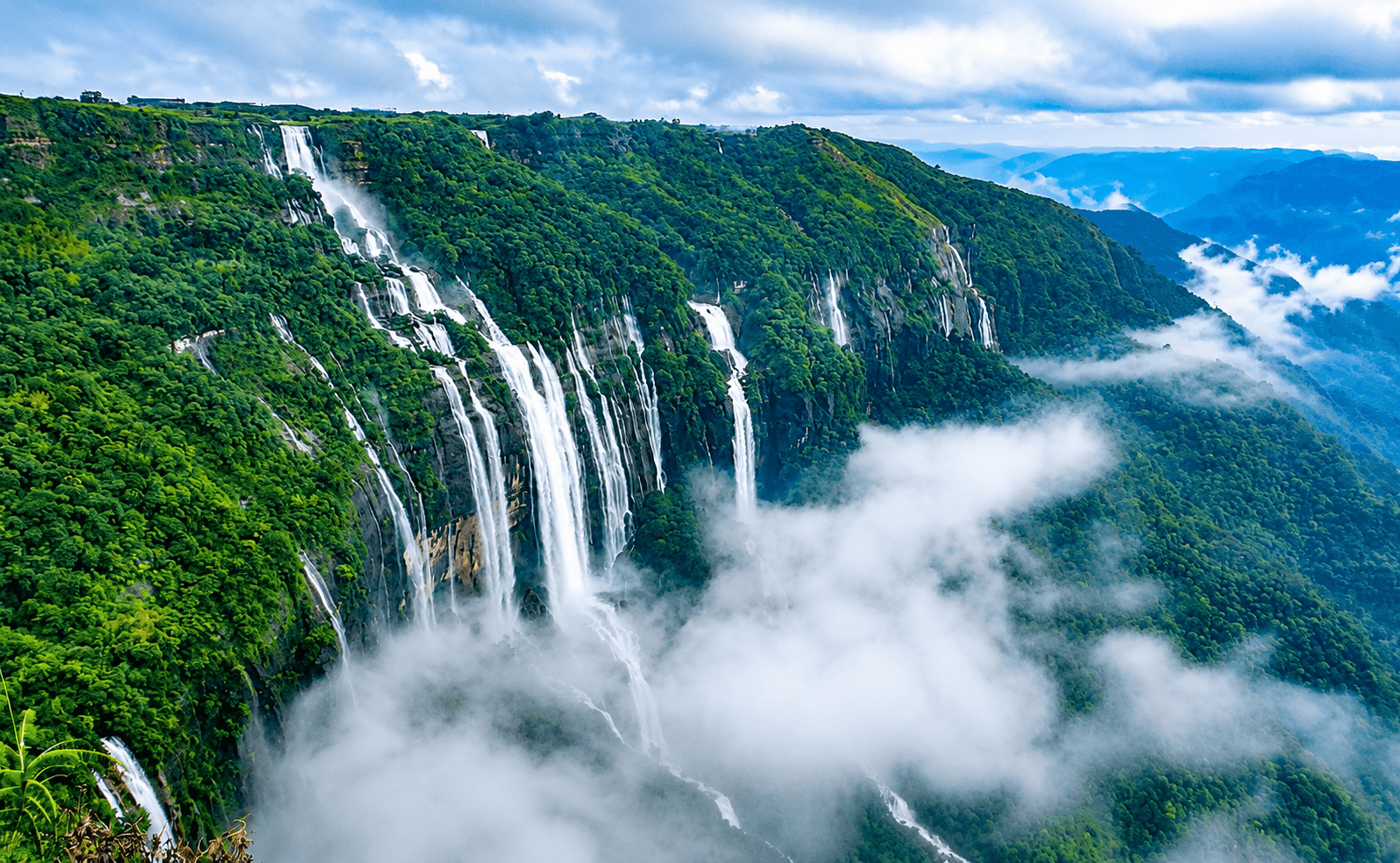
Most travellers stop at Cherrapunji and call their Meghalaya trip done. That is a mistake. An hour beyond, at Dawki on the Bangladesh border, the Umngot River runs so impossibly clear that boats appear to float in mid-air - a sight that stops everyone who sees it dead in their tracks.
Cherrapunji itself becomes otherworldly during the rains. The living root bridges of Nongriat drip with moss and age, waterfalls pour off every ridge, and the landscape carries the electric green of a place that receives more rainfall than almost anywhere else on the planet. This is the wettest inhabited region on Earth in its finest season, and in 2026, it deserves a full week of your calendar - not a rushed weekend.
Best time to visit: June – September Highlights: Nongriat double-decker root bridge, Dawki river boating, Nohkalikai Falls Base city: Shillong (55 km from Cherrapunji)
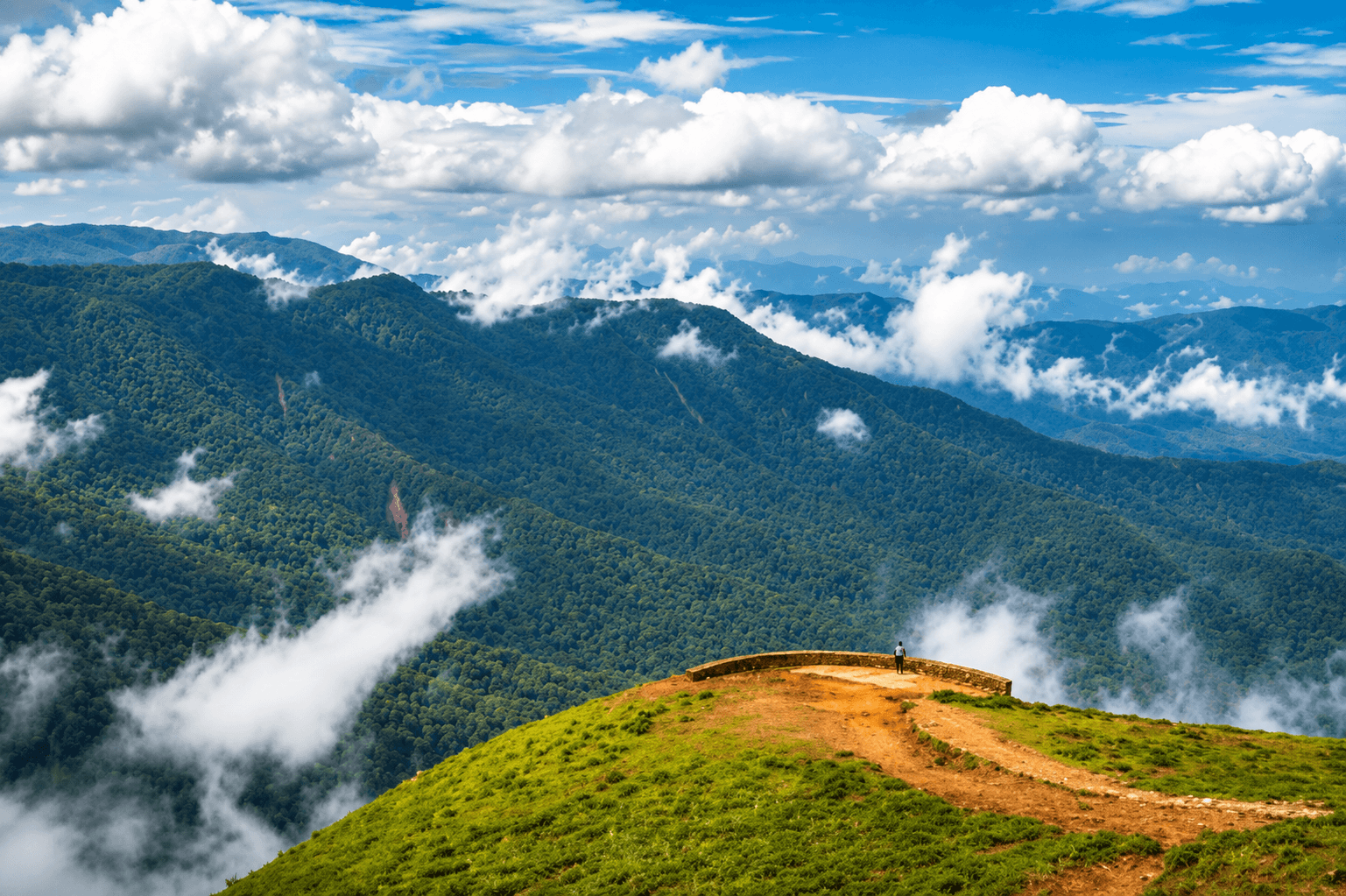
The Scotland of India earns that title most fiercely during monsoon. Coorg's coffee and cardamom estates shimmer under grey skies, the Abbey Falls swells to thunderous proportions, and the air carries a heady mix of spice, wet earth, and eucalyptus that is unlike anywhere else in the country.
Staying in a plantation bungalow and waking to mist rolling over the hills each morning is a sensory experience that no five-star hotel can replicate. The nearby Brahmagiri Wildlife Sanctuary turns into a lush, bird-filled haven after the first rains, and the roads through the estate - winding, quiet, impossibly green - make for some of the finest driving in South India.
Best time to visit: June – August Don't miss: Abbey Falls, plantation homestay experiences, Brahmagiri Wildlife Sanctuary Nearest city: Mysuru (120 km)
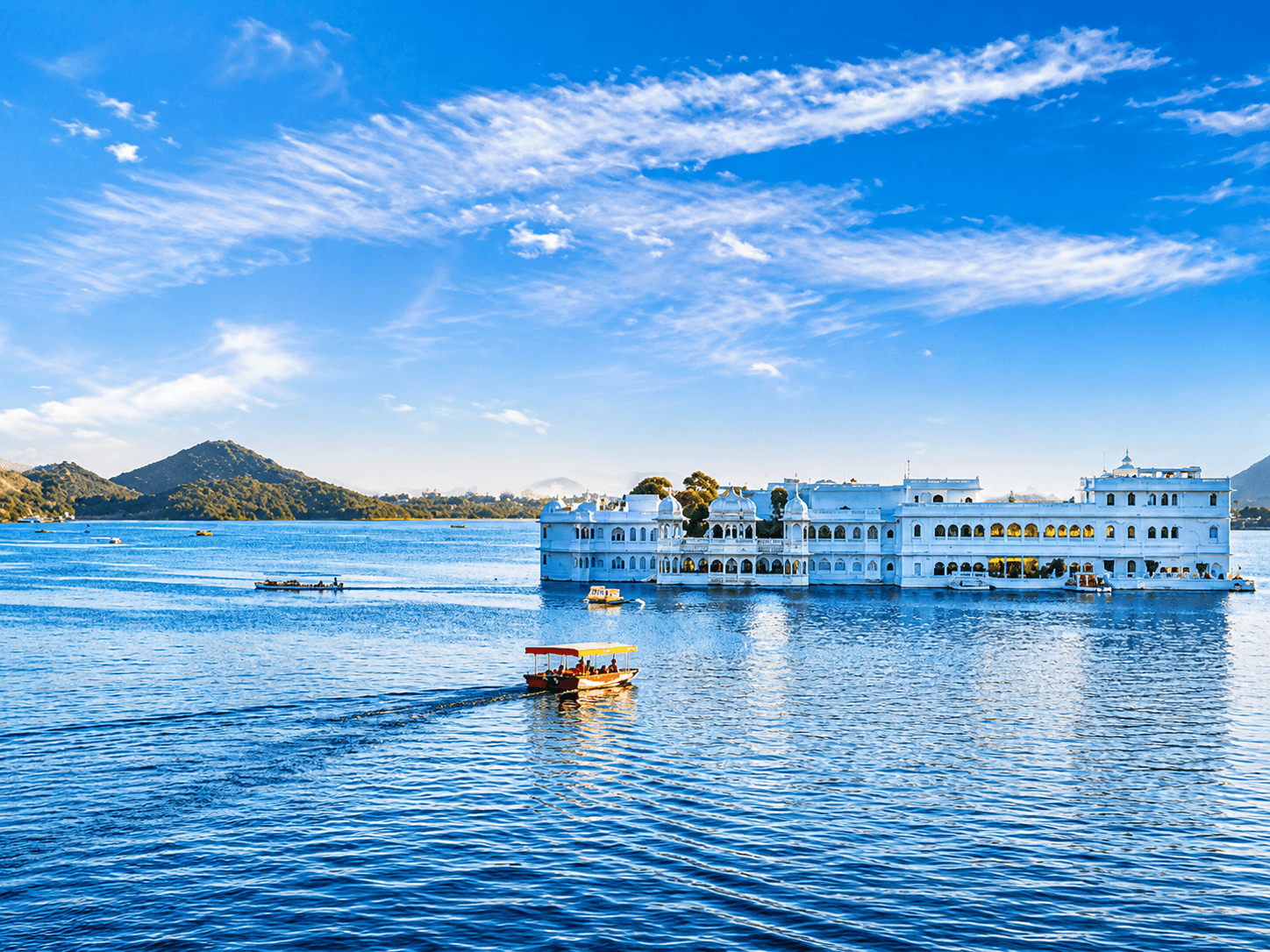
Rajasthan in monsoon surprises everyone who expects only desert. The Aravalli hills - parched and brown for eight months of the year - turn an unexpected, luminous green. Lake Pichola fills to its brim and reflects the City Palace in perfect, rain-mirror symmetry. And the heritage hotels and havelis take on a romantic, fog-softened quality that peak-season tourists never get to witness.
Boat rides in a light drizzle with Jag Mandir Island rising from the water ahead of you are the stuff of travel memory. Budget-savvy travellers will also find that room rates in even the finest heritage properties drop significantly from peak winter prices - often by 30 to 50 percent - making this the best value window to experience Udaipur in comfort and style.
Best time to visit: July – September Highlight: Lake Pichola reflections, City Palace in the mist, sunset boat rides Savings: Up to 50% off peak-season hotel rates
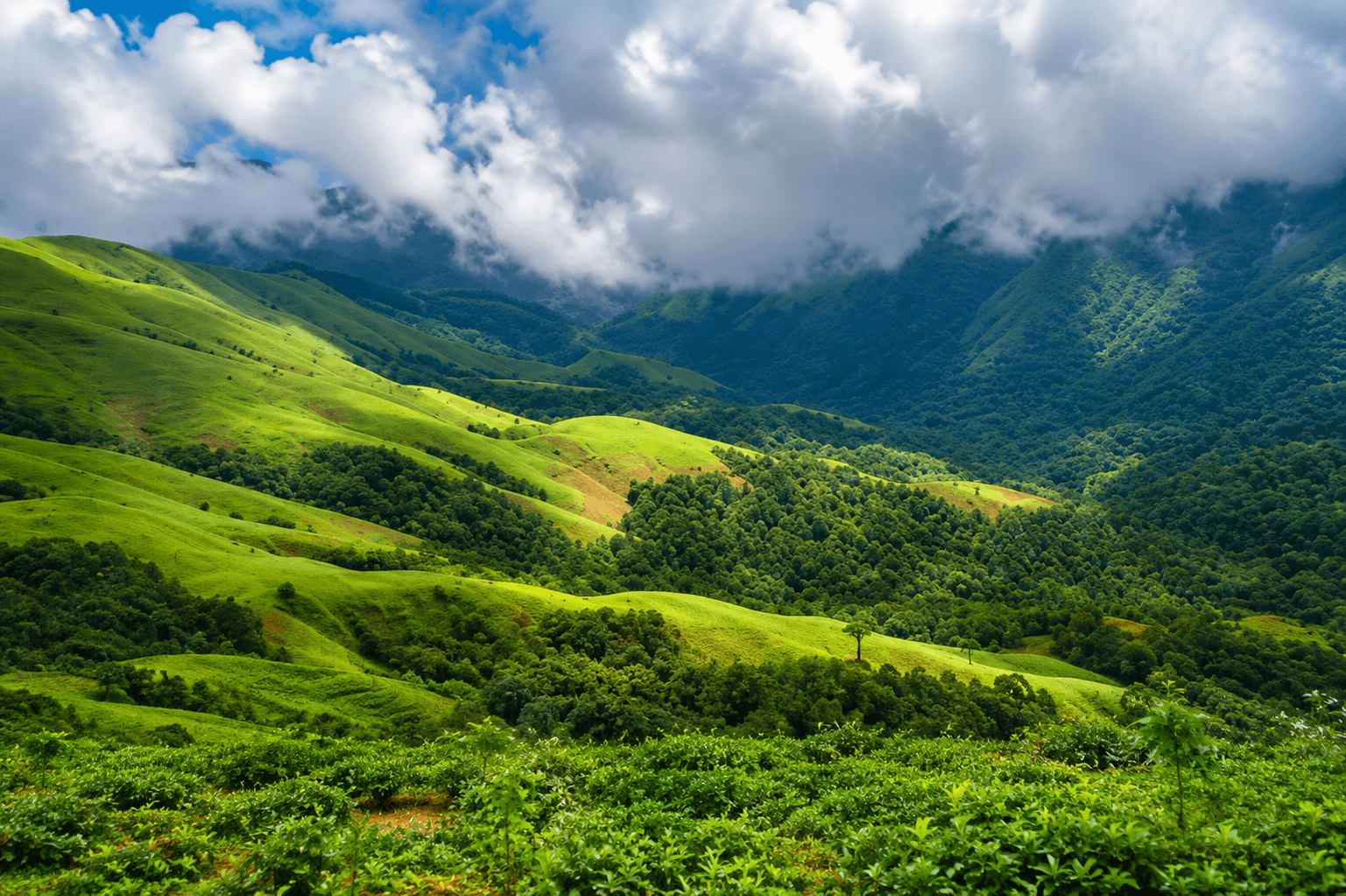
If Coorg is starting to feel discovered, Chikmagalur is where the seasoned traveller heads instead. India's first coffee bean was planted here in the 17th century, and the estates that climb the Baba Budangiri range turn a particularly vivid, saturated green during monsoon. The Mullayanagiri peak - Karnataka's highest point - disappears into cloud cover daily, creating dramatic, shifting views at every turn.
The Jhari Waterfalls are accessible only during this season, and the trekking routes through the coffee-scented hills are at their most beautiful and uncrowded. This is Coorg's soul without Coorg's Instagram crowds - and in 2026, that difference matters.
Best time to visit: July – September Highlights: Mullayanagiri peak, Jhari Waterfalls, Baba Budangiri coffee estates Nearest airport: Mangaluru (120 km)
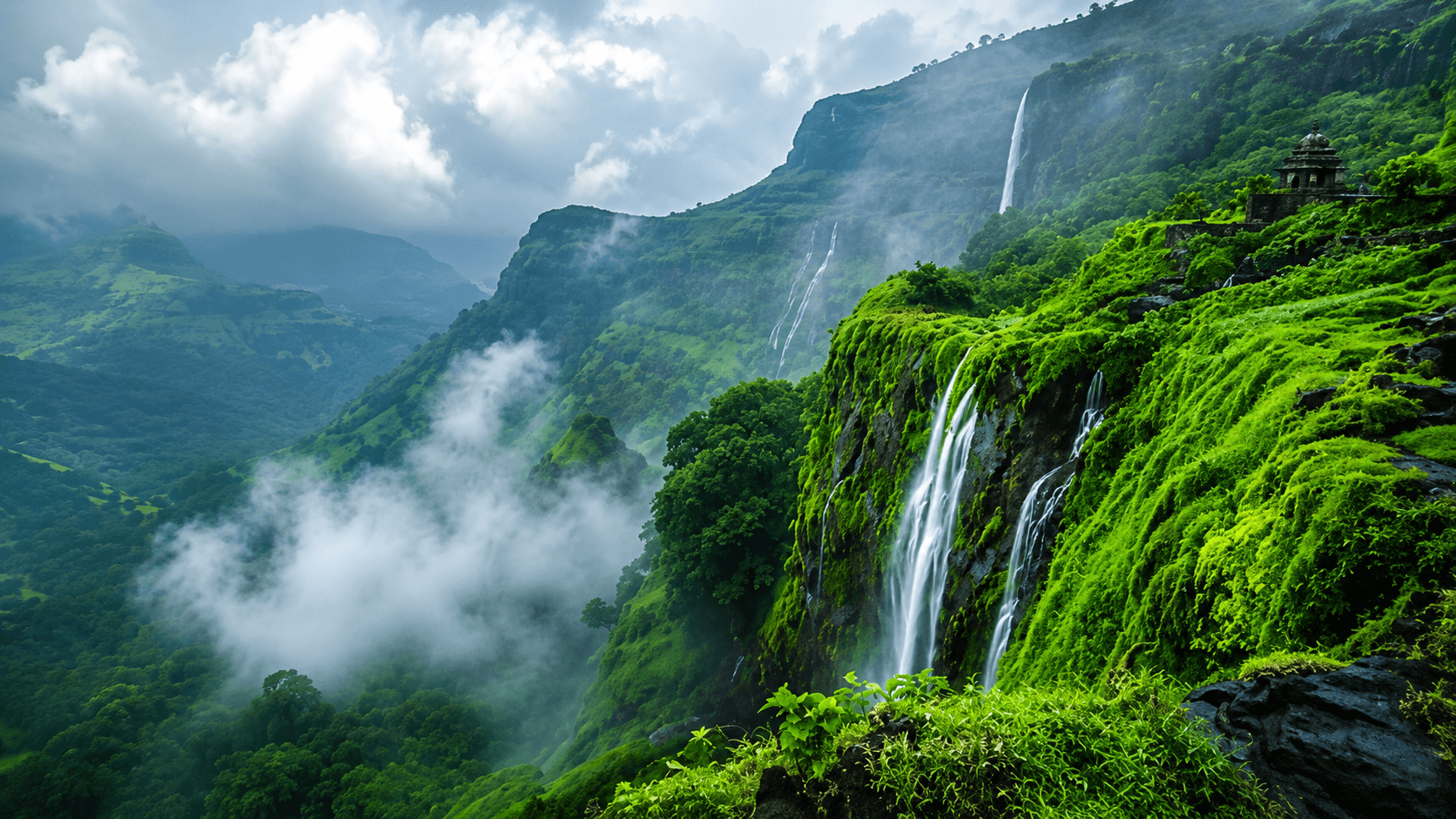
Few hill stations in India receive rainfall quite like Mahabaleshwar. In July alone, this Maharashtra gem records over 1,000 mm of rain - cloaking the forests in a dense, impenetrable green and filling the Venna Lake with a mysterious, fog-draped beauty. The forests turn thick and healthy almost overnight, and the viewpoints around town offer misty vistas that shift and change every few minutes as clouds roll through.
Arthur's Seat is a particularly surreal experience during monsoon: the air pressure at the viewpoint is so high that light objects thrown off the edge often float back upward, defying gravity in full view of astonished visitors. Temperatures hover between 16°C and 26°C throughout the season, making it supremely comfortable for walking, sightseeing, and long lazy afternoons in a cliff-edge villa watching the valley fill with clouds.
Best time to visit: July – August Rainfall: Over 1,000 mm in July alone Don't miss: Arthur's Seat viewpoint, Venna Lake in fog, Lingmala Waterfall
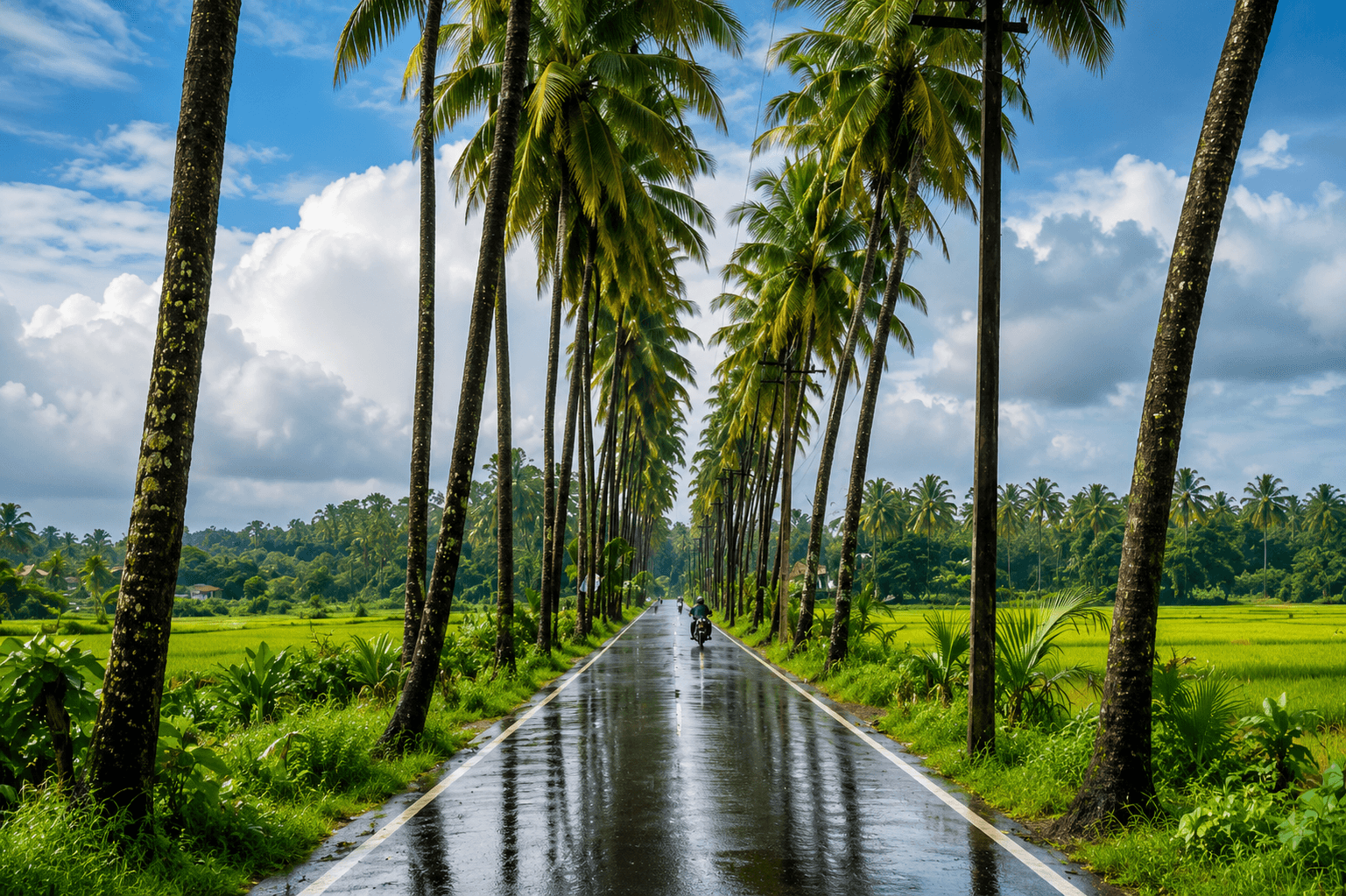
Goa in monsoon is a revelation. The sun-seekers and package tourists leave, the paddy fields behind the beaches turn a vivid, deep green, and the art cafes and heritage lanes of Panjim and Fontainhas open their doors to a different, slower, more authentic Goa entirely. This is the city as its residents actually know it.
Dudhsagar Falls - one of India's tallest and most dramatic - is at its thundering, photographic peak between July and September, when the four-tiered cascade turns into a full-force wall of white water. Hotel rates across the state drop to a fraction of December prices, beaches are empty, and the food at the village restaurants - no longer competing with a thousand tourist shacks - is at its very best.
Best time to visit: July – September (avoid beach shacks - most are closed) Must-see: Dudhsagar Falls at peak flow Budget advantage: Up to 60% off December rates at mid-range and luxury properties
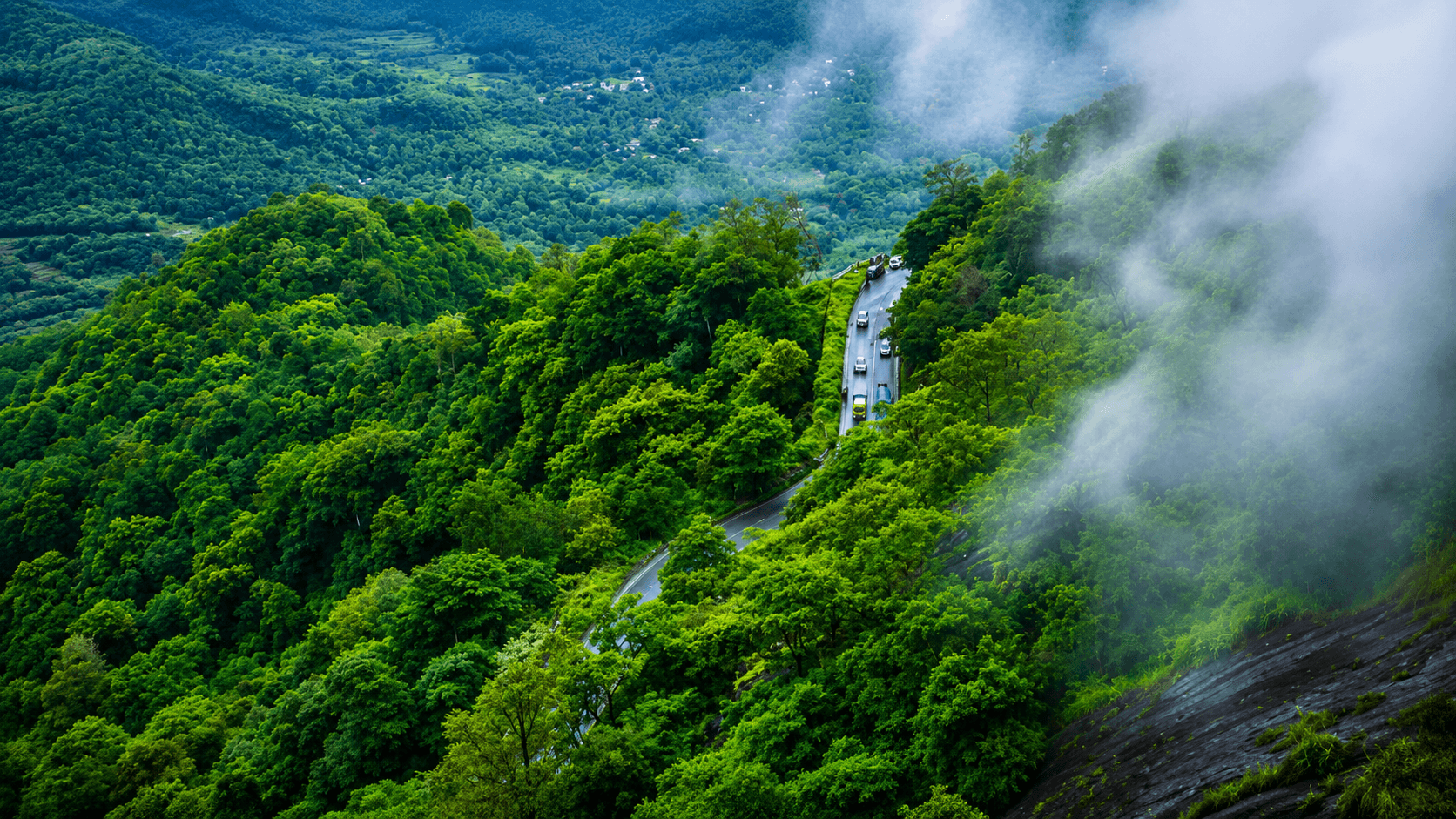
Wayanad in monsoon is what a rainforest is supposed to feel like. The Soochipara and Meenmutty waterfalls reach their spectacular peak, the trails up Chembra Peak glisten with moisture and mist, and the Wayanad Wildlife Sanctuary sees herds of elephants moving quietly through the green undergrowth - a wildlife experience that the dry season simply cannot match.
The Edakkal Caves, with their 5,000-year-old prehistoric engravings, take on a particularly atmospheric quality when surrounded by monsoon mist. And staying in a treehouse here - rain drumming on the canopy above, the calls of the forest all around - is one of the most deeply immersive travel experiences available anywhere in India. If you do one unusual accommodation choice this year, let it be this.
Best time to visit: June – September Stay: Treehouse resort in the forest canopy Wildlife: Elephant herds, leopards, Malabar giant squirrels
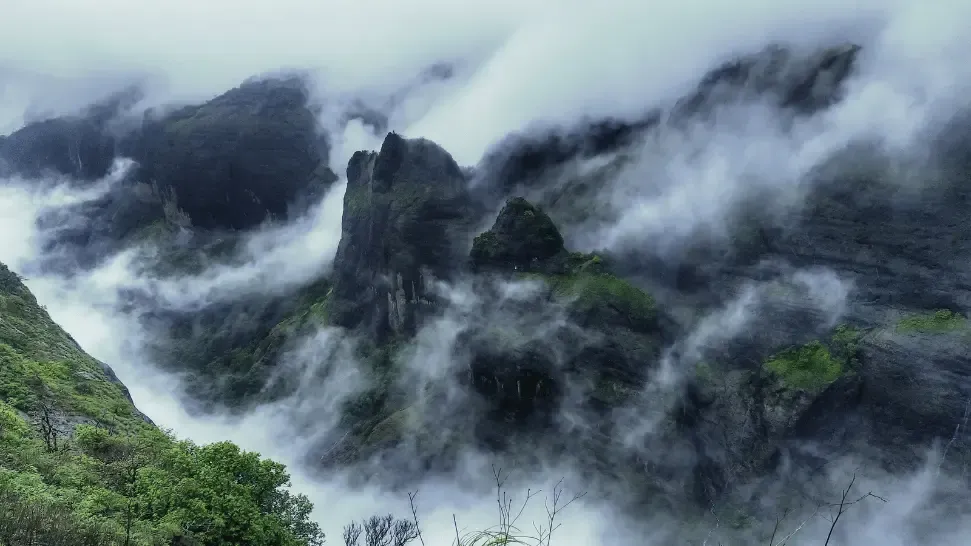
For anyone based in Mumbai or Pune, these two mountain passes are nothing short of cinematic during monsoon - and the fact that they require only a weekend to experience makes them arguably the best value monsoon trip in India in 2026.
Malshej Ghat reportedly sees over 200 waterfalls cascade down its ancient cliffs between July and September. Its famous "reverse" waterfalls - where strong upward winds blow sheets of water back up the rock face - are at their most dramatic and photogenic during this period. The Pimpalgaon Joga Dam nearby draws migratory flamingos, creating a surreal pink contrast against the deep green monsoon hills.
Tamhini Ghat, connecting Pune's Mulshi region to the Konkan coast, transforms into a corridor of roadside waterfalls, mist-covered cliffs, and dense forest - a favourite with photographers, bikers, and road-trippers who know exactly how special this stretch becomes when the rains arrive.
Best time to visit: July – September From Mumbai: ~120 km | From Pune: ~65 km Unique highlight: Reverse waterfalls at Malshej Ghat
Pack waterproof-first. Bring a quality raincoat rather than relying on an umbrella, waterproof hiking boots, quick-dry clothing, and a waterproof cover for your bag and camera gear. The right kit makes every day comfortable regardless of what the sky is doing.
Check roads before every drive. Monsoon landslides frequently close hill routes in Wayanad, Coorg, Malshej, and across the Western Ghats. Check state highway alerts and local travel community updates the morning of any significant drive.
Time your trip to your priorities. June and July bring the most intense greenery and the drama of the first rains. August and September deliver waterfalls at peak flow and the single best conditions for landscape photography. Plan accordingly.
Book accommodation early despite lower rates. The best plantation bungalows, treehouse resorts, and lake-view havelis know their value and fill up quickly even in the off-season. Book 3 to 4 weeks in advance for popular spots like Coorg, Munnar, and Udaipur.
Prepare for leeches on forest trails. Carry salt or a lemon, tuck your trousers into your socks, wear enclosed shoes, and check yourself after any forest walk. They are harmless but startling if you are unprepared.
Find the golden hour after rain. The hour immediately after a shower stops - when mist hangs in the valleys and the light turns soft and diffuse - is the finest photography window India offers during monsoon. It is worth setting an alarm for.
India during monsoon is the country at its most alive - most green, most dramatic, most honest. In 2026, with heat arriving earlier and the usual hill stations more crowded than ever, travelling in the rain is not a compromise. It is the upgrade.
Whether you find yourself sipping filter coffee on a mist-covered Chikmagalur estate, watching the Umngot River run clear as glass at Dawki, or standing at the edge of Mahabaleshwar as clouds pour into the valley below you — the monsoon has a way of making every place feel discovered for the very first time.
Share it with your friends