Planning a Nepal trip in 2026? Here's everything Indian travellers need to know about Nepal visa requirements, e-Visa rules, documents, fees and entry requirements.
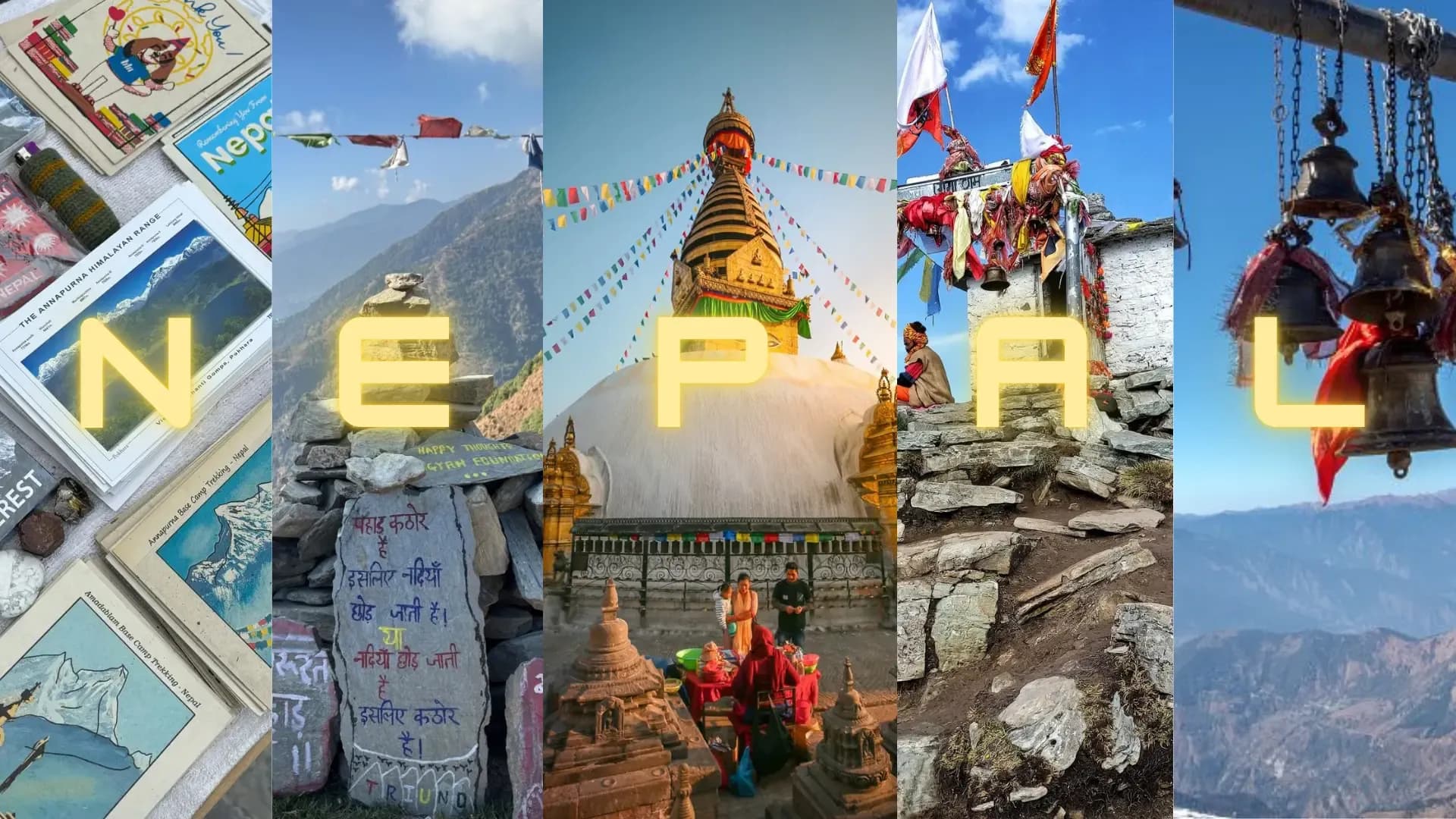
Planning a trip to Nepal in 2026? Nepal has moved towards a fully digital visa process, making it easier for eligible international travellers to apply for a tourist visa online before travelling.
The new Nepal e-Visa system allows eligible travellers to submit their details, upload required documents, pay the applicable visa fee and receive their approved visa electronically.
But there is one important point for Indian travellers: Indian citizens do not need a visa to enter Nepal.
So, if you're searching for Nepal e-Visa for Indians, Nepal visa for Indians 2026 or Nepal visa requirements for Indian citizens, here's everything you need to know.
Nepal's e-Visa, also referred to by the Department of Immigration as an ETA/eVisa system, allows eligible foreign travellers to complete the visa application process online.
According to Nepal's Department of Immigration, applicants can enter their personal and passport details, provide travel information, upload a passport copy and photograph, pay the applicable fee online and receive the approved visa by email.
This digital process is designed to make obtaining a Nepal tourist visa more convenient for eligible international visitors.
Instead of relying entirely on visa processing after arrival, travellers can complete their visa formalities before departing for Nepal.
Nepal's full e-Visa rollout was scheduled for August 17, 2026, following a testing and preparation phase.
The new system is part of Nepal's wider effort to digitise immigration and make the visa process easier for international travellers. Reports on the rollout said eligible travellers would be able to receive their visa electronically before departure.
For travellers who require a visa, this means the process can increasingly be completed online before reaching Nepal.
No. Indian citizens do not need a visa to enter Nepal.
This is the most important information for Indians planning a Nepal trip.
Nepal's Department of Immigration confirms that Indian citizens can enter Nepal without a visa. Indian nationals can use a valid passport, while eligible Indian citizens without passports may use a voter ID card.
Therefore, the introduction of Nepal's e-Visa system does not create a new visa requirement for Indian tourists.
| Requirement | Indian Citizens |
|---|---|
| Nepal tourist visa | Not required |
| Nepal e-Visa | Not required |
| Passport | Accepted |
| Voter ID | Accepted for eligible travellers |
| Visa fee | Not applicable |
| Visa on arrival | Not required |
Nepal's immigration authorities encourage Indian travellers to carry a passport where possible for smoother immigration processing.
Indian travellers should carry an accepted document proving their identity and Indian nationality.
The safest option is a valid Indian passport.
Nepal's immigration guidance also states that Indian citizens without a passport can enter with a voter card. For Indian minors without passports, additional documentation may apply.
Important: Travellers should not assume that every Indian government-issued ID is accepted at Nepal's immigration checkpoints. The current airport guidance specifically lists the accepted documents.
The e-Visa system is primarily relevant to foreign nationals who require a visa to enter Nepal.
Eligible travellers can use Nepal's official immigration portal to apply electronically.
However, visa requirements vary by nationality. Some nationalities are eligible for visa on arrival, while others must obtain a visa in advance.
Nepal currently lists several nationalities that are not eligible for visa on arrival, including Nigeria, Ghana, Zimbabwe, Cameroon, Somalia, Liberia, Ethiopia, Iraq, Palestine, Afghanistan and Syria.
Travellers should therefore check their nationality-specific requirements before booking their trip.
If you are a traveller who requires a Nepal tourist visa, the online process is relatively straightforward.
Use the official Nepal Department of Immigration website for the e-Visa application.
Avoid unofficial websites offering to process your Nepal visa for an additional service fee.
Select the relevant online visa/ETA option and begin your application.
You will need to provide information such as:
The current Nepal e-Visa instructions require applicants to upload a scanned passport copy and a recent passport photograph. The passport should have at least six months of validity.
Eligible applicants can pay the applicable visa fee through the online system.
Once approved, the electronic visa is sent to the applicant's email address.
Travellers should save the approval and carry a printed copy when travelling to Nepal.
For travellers who require a standard tourist visa, Nepal's Department of Immigration currently lists these fees:
| Tourist Visa | Fee |
|---|---|
| 15 days | US$30 |
| 30 days | US$50 |
| 90 days | US$125 |
The Department of Immigration also states that tourist visas can be extended up to a maximum combined stay of 150 days in a visa year, subject to the applicable rules and fees.
Yes.
Indian citizens are exempt from Nepal's tourist visa requirement.
This means Indian tourists do not need to pay the US$30, US$50 or US$125 tourist visa fees when entering Nepal as Indian nationals.
The Nepal Department of Immigration explicitly confirms that Indian citizens do not require a visa.
Yes.
Nepal continues to provide visa-on-arrival facilities for eligible foreign nationals. The e-Visa system does not mean that every traveller must necessarily obtain an electronic visa before departure.
Nepal's immigration information continues to list tourist visa on arrival, while certain nationalities are excluded and must apply in advance.
Travellers should therefore check whether their nationality qualifies for:
The main difference is when the visa process is completed.
| Feature | Nepal e-Visa | Visa on Arrival |
|---|---|---|
| Apply before travel | Yes | Generally no |
| Online application | Yes | Online form may be completed |
| Visa received before departure | Yes, after approval | No |
| Immigration processing on arrival | Required | Required |
| Available to all nationalities | No | No |
| Indian citizens | Not required | Not required |
The e-Visa option can be particularly useful for travellers who prefer to complete their documentation before flying.
The shift towards electronic visas is part of Nepal's broader move towards digital immigration services.
For international travellers, a digital system can reduce paperwork and make the application process more convenient.
The current e-Visa system allows applicants to submit information online, upload documents, make payments and receive their visa electronically.
For Nepal's tourism industry, easier visa processing could also help make the country more accessible to international visitors.
For Indian travellers, very little changes from a visa perspective.
Indian citizens were already exempt from Nepal's visa requirement, and that remains the case.
So if you're planning a Nepal trip from India in 2026, you don't need to apply for the new e-Visa.
Instead, focus on carrying the correct identification documents and checking your airline's requirements before travelling.
This is especially important for travellers flying to Nepal because airlines may verify documents before boarding.
Once your travel documents are sorted, Nepal offers plenty of destinations to explore.
Some of the country's most popular places include:
For Indian tourists, Nepal can be an attractive international holiday option thanks to its proximity, landscapes, culture and wide variety of experiences.
Before travelling, make sure you check the latest information from Nepal's Department of Immigration.
1. You don't need a Nepal visa.
Indian citizens are exempt from the visa requirement.
2. Carry the right identity document.
A valid passport is the safest option. A voter ID is also recognised for eligible Indian citizens.
3. Don't apply for an e-Visa unnecessarily.
Indian tourists do not need to apply for the Nepal e-Visa.
4. Check your airline's requirements.
Airlines may have their own document-checking procedures before boarding.
5. Use official immigration websites.
Avoid unofficial websites that claim to provide Nepal visa services.
6. Check the latest rules before departure.
Immigration requirements can change, so verify the latest information shortly before your journey.
No. Indian citizens do not require a visa to enter Nepal.
No. Indian citizens are exempt from Nepal's visa requirement and therefore do not need an e-Visa.
The standard tourist visa fees currently listed by Nepal's Department of Immigration are US$30 for 15 days, US$50 for 30 days and US$125 for 90 days.
Yes, eligible foreign travellers can use Nepal's online immigration system to submit their application, upload documents, pay the applicable fee and receive the approved visa by email.
Yes. Nepal continues to offer visa on arrival to eligible nationalities, although some nationalities must obtain a visa in advance.
Yes. Nepal's current Tribhuvan International Airport immigration guidance states that Indian citizens who do not have a passport can enter Nepal with a voter card.
Yes. Indian citizens do not require a visa to enter Nepal.
Nepal's move towards a fully digital e-Visa system in 2026 makes the country's visa process more convenient for eligible international travellers.
The biggest takeaway for Indian tourists is even simpler: you don't need a Nepal e-Visa or tourist visa to enter Nepal.
If you're planning a Nepal trip from India in 2026, make sure you carry an accepted identity document, check your airline's requirements and verify the latest immigration information before departure.
For other international travellers, the new Nepal e-Visa system provides a convenient way to complete visa formalities online and receive the approved visa before travelling.
With easier digital visa processing for eligible visitors and visa-free entry for Indian citizens, Nepal remains one of the most accessible international destinations for travellers looking for Himalayan adventures, cultural experiences and affordable holidays in 2026.
Share it with your friends