Everyone goes to Abbey Falls. Here's what they miss.
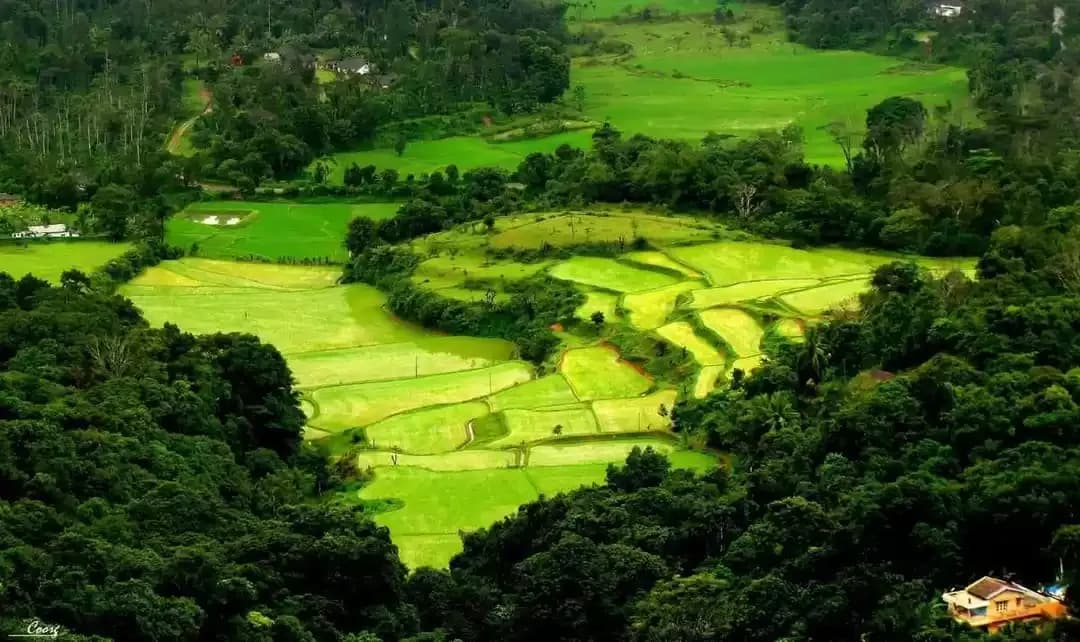
Every weekend, hundreds of cars wind up from Bengaluru into the misty hills of Coorg. They hit Abbey Falls, snap a photo at Raja's Seat, and leave. It's a lovely trip - but it barely scratches the surface.
In 2026, Coorg is trending harder than ever. The popular spots are crowded. But the real Coorg - wilder, quieter, more soulful - is still right there if you know where to look.
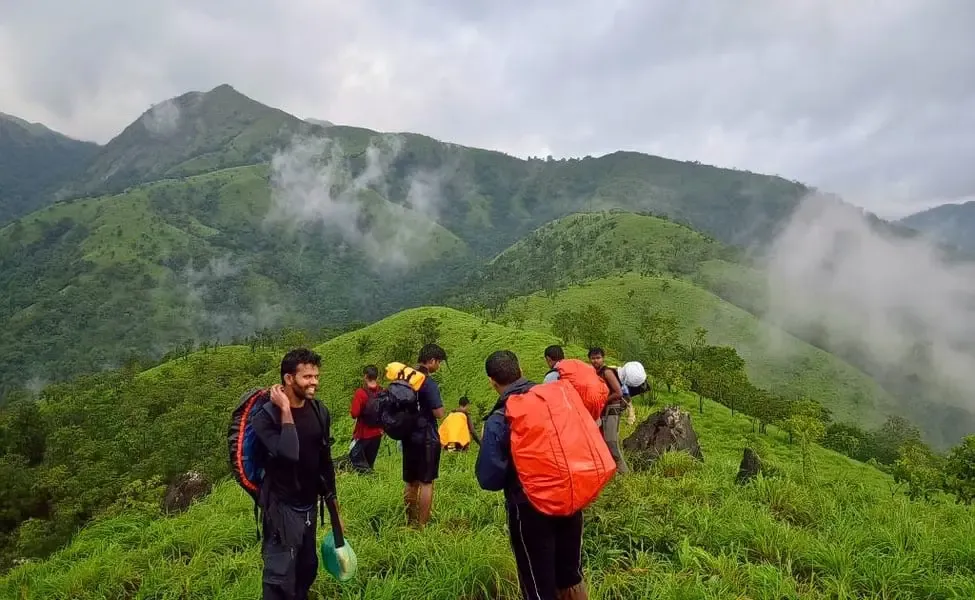
Why tourists miss it: Everyone heads to Tadiandamol or Mandalpatti. Kotebetta, the third-highest peak in Coorg at 1,500 m, draws almost no crowds.
Located 15 km from Madikeri, the trail passes through coffee farms, spice plantations, and small Kodava villages. The summit has a small Shiva temple and sweeping views of the Kumar Parvata ranges and Harangi Dam - views that rival the popular viewpoints, with none of the crowds.
Details: 3–4 km one-way, moderate difficulty. Free entry. Guide recommended: ₹500–800 (trail not always marked). Best time: October–February; monsoon offers dramatic misty views.
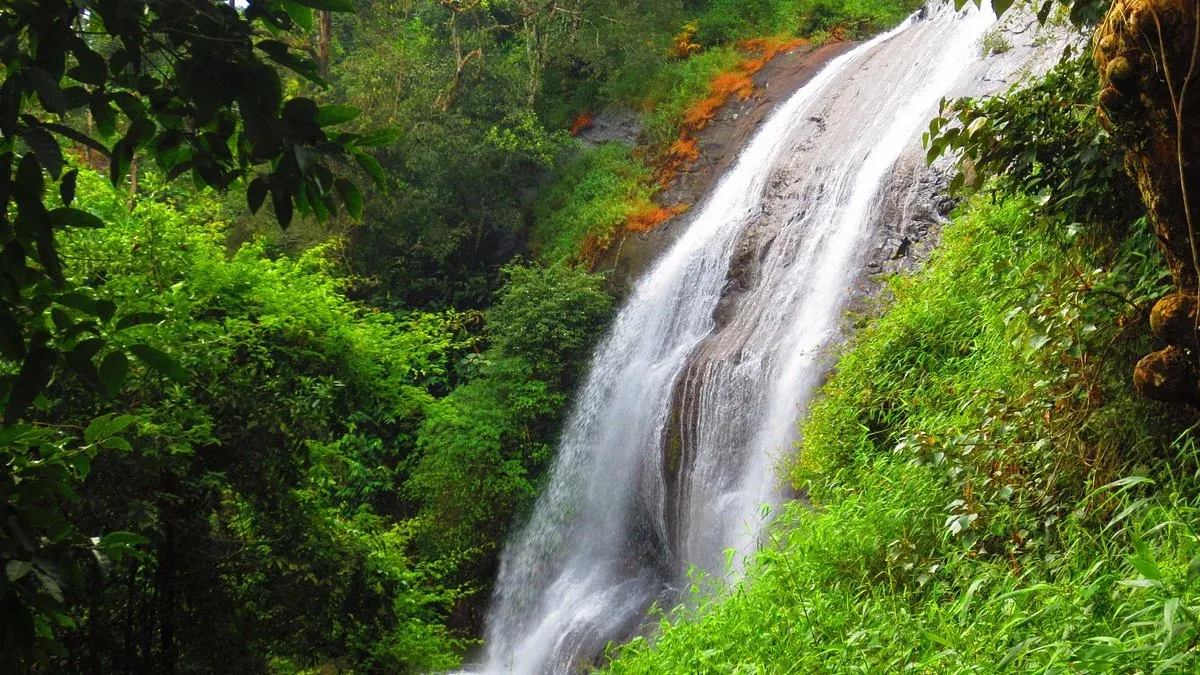
Why tourists miss it: It's 40–45 km from central Coorg near Cheyyandane village - most travel blogs skip it entirely.
Chelavara drops 150 feet into a rocky natural pool surrounded by thick jungle. The approach winds through coffee plantations with a short jungle trek at the end. The pool is clean enough to swim in outside monsoon, and there's almost nobody else there.
Details: ~22 km from Virajpet. Narrow road - two-wheelers or small cars only. Carry water and snacks; no facilities. Free entry. Best time: November–February.
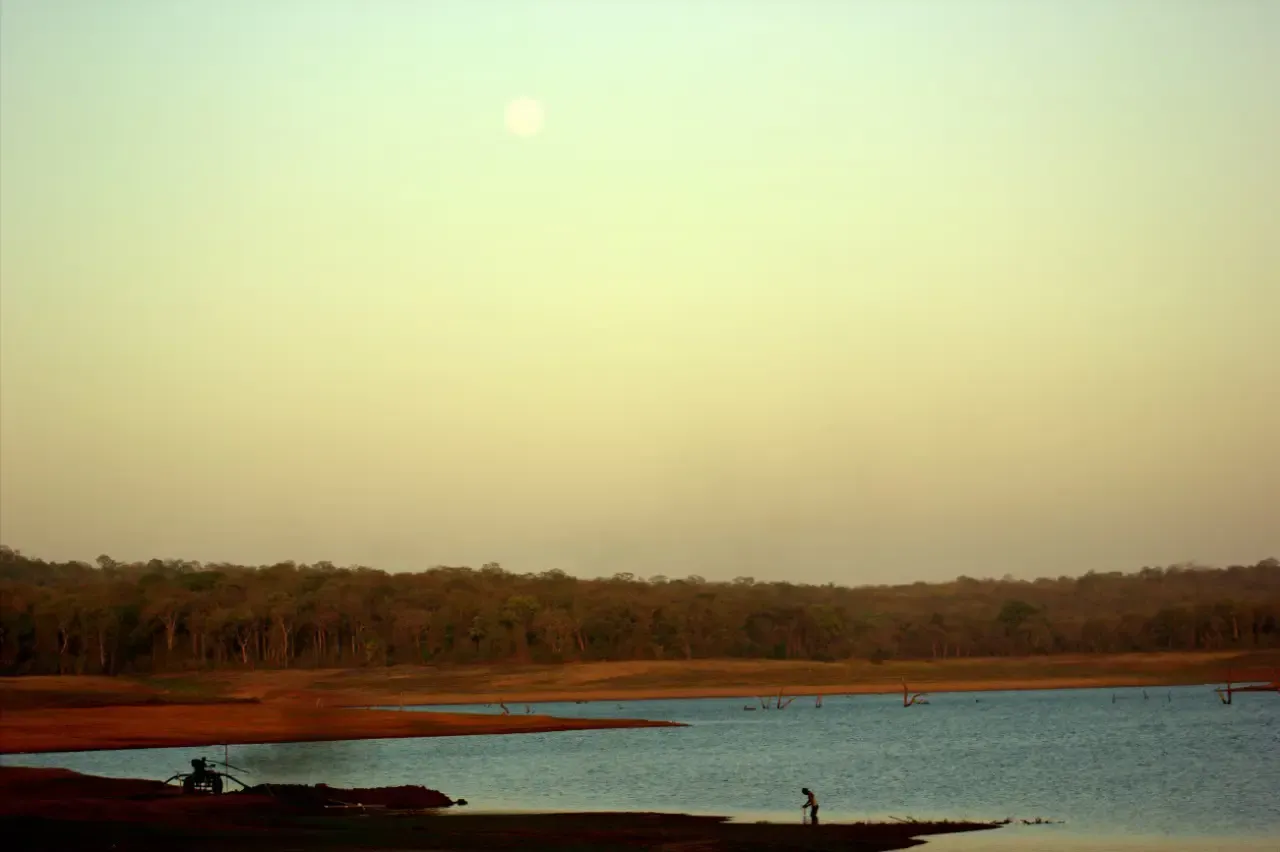
Why tourists miss it: The Harangi Dam is on maps. The backwaters around it are not - and they're extraordinary at dawn.
Still water, forested hills, migratory birds, total silence. No ticket counters, no souvenir sellers, no crowds. Boating is sometimes available from local fishermen. Arrive before 6:30 AM for the best light.
Details: 30 km from Madikeri, near Kushalnagar. Carry everything - no facilities on site. Boating: ₹200–400. Best time: October–March.
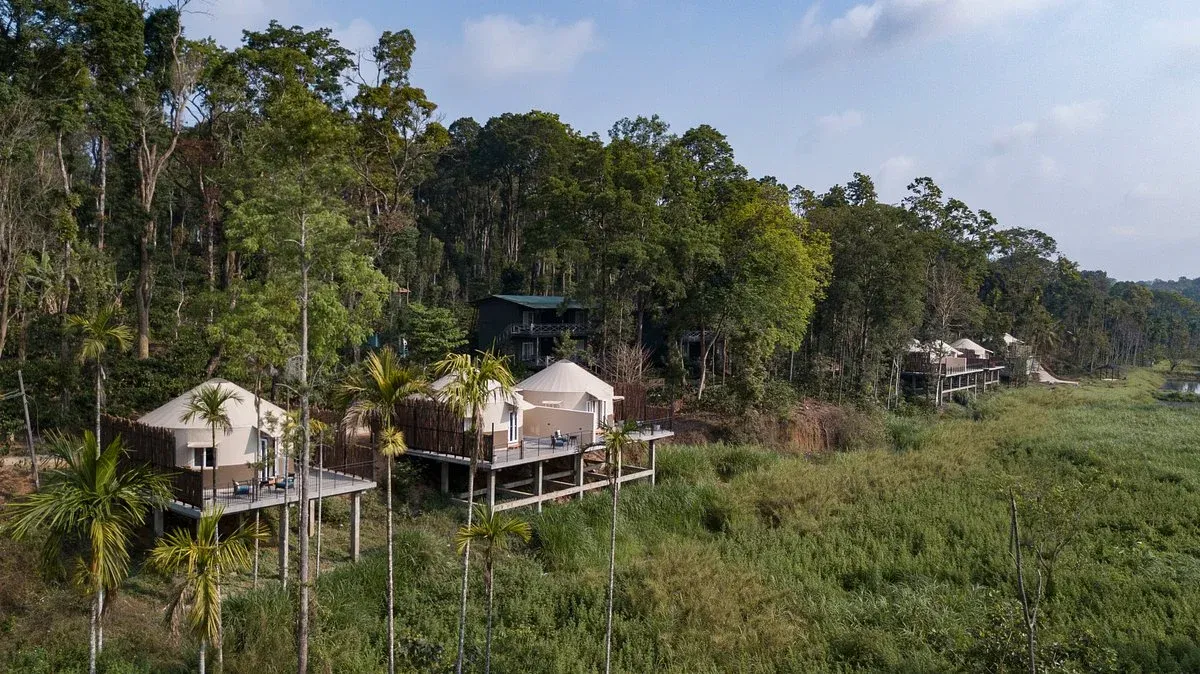
Why tourists miss it: Most aggregators push resorts. The best Kodava homestays aren't on OYO or Booking.com.
A resort gives you a pool. A Kodava homestay gives you birds at dawn, coffee from the estate outside your window, home-cooked Pandi Curry, and conversations with a family whose ancestors have lived here for centuries. Many Kodava homes - built around a central courtyard - are centuries old. Staying in one is a genuine cultural experience that no guided tour replicates.
Details: Search "Kodava homestay" on StayVista or Airbnb, or ask in Madikeri market. Best villages: Kakkabe, Virajpet, Somwarpet. Rates: ₹1,500–4,000/night with meals.
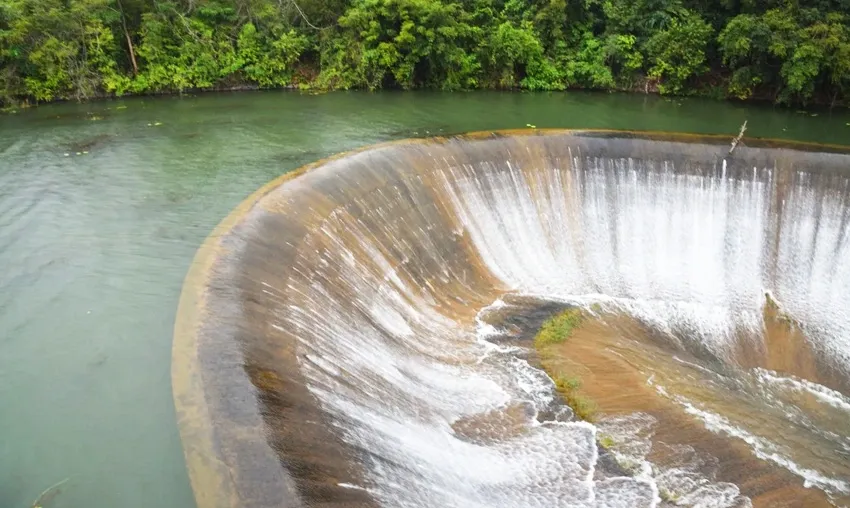
Why tourists miss it: It's on the Madikeri–Kushalnagar road that most tourists drive straight through.
A small reservoir on a Cauvery tributary - green meadows, still water, golden light at sunset, and rich birdlife. No crowds, no entry fee, no facilities. Ideal as a quiet 2-hour stop between destinations.
Details: 15 km from Madikeri. Carry all food and water. Best time: Year-round; October–February for best weather.
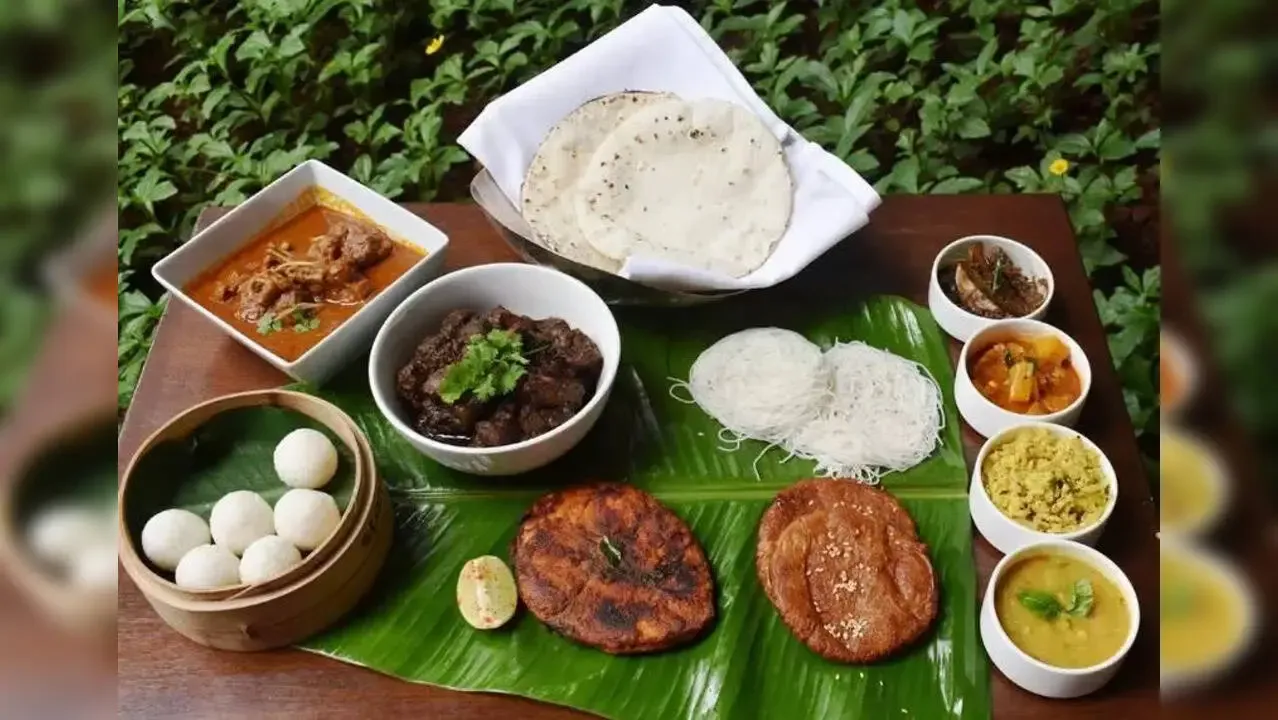
Why tourists miss it: Restaurants on the main road serve a watered-down version. The real food is in local eateries, village kitchens, and homestays.
Kodava cuisine is one of India's most distinctive - built around rice, pork, and the Cauvery River. The four dishes to hunt down:
Where to find it: Ask your homestay host to cook. Otherwise try small, unmarked eateries in Madikeri's older market lanes or around Virajpet.
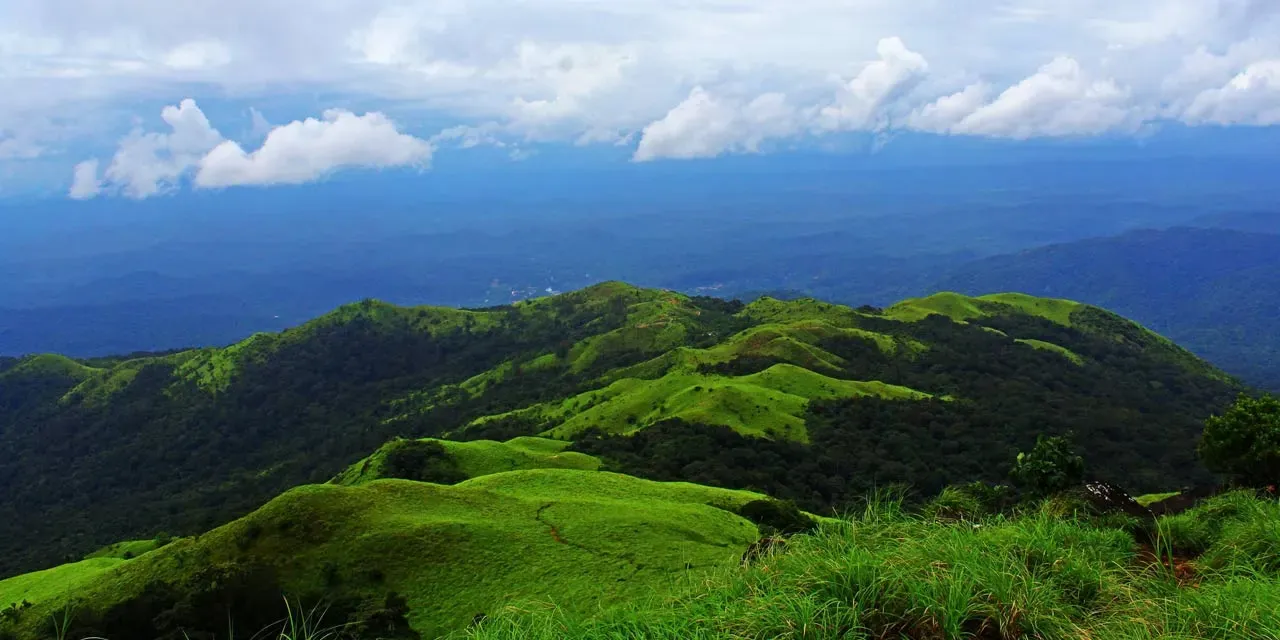
Why tourists miss it: It's on the northeastern edge of Coorg, away from the Bengaluru highway. Most tourists never go this far.
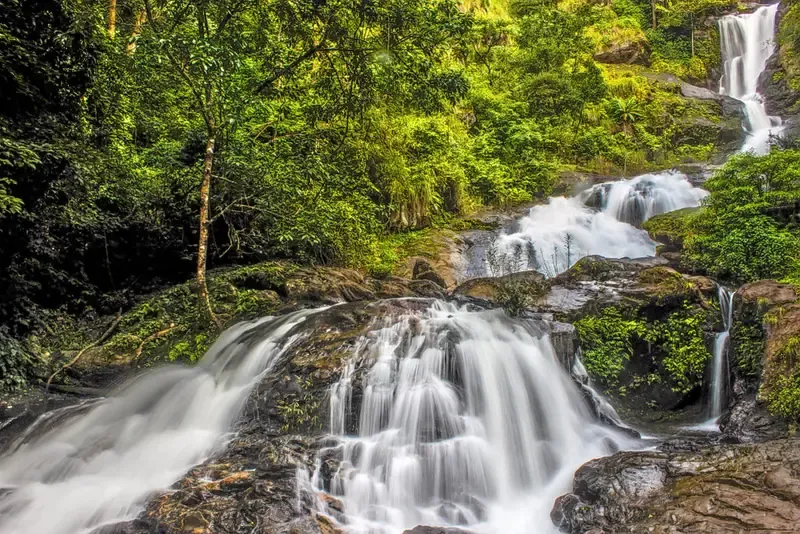
A quiet agricultural town with great coffee estates and intact Kodava village life. From here you can reach Mallalli Falls - a two-tiered cascade where the Kumaradhara River drops over 1,000 metres through wild forest. Pushpagiri Wildlife Sanctuary and Bisle Ghat are also nearby.
Details: 55 km from Madikeri. Homestays are the best accommodation option. Road to Mallalli Falls has concrete steps for most of the route. Best time: October–March.
Why tourists miss it: Coorg's wildlife tourism centres on Nagarhole. Pushpagiri, on the northeastern edge, is known mainly to serious naturalists.
An almost unbroken Western Ghats wilderness corridor, home to endemic species including Malabar Trogon, Sri Lanka Frogmouth, and Nilgiri Laughingthrush. Early morning walks here rival birding destinations that travellers fly internationally for.
Details: Karnataka Forest Department manages entry - check requirements before visiting. Day visits from the Somwarpet side. Local naturalist guide essential: ₹800–1,500/day. Best time: October–March; December–February for winter migrants.
Why tourists miss it: Kakkabe is a trekkers' transit village. Most people pass through without looking around.
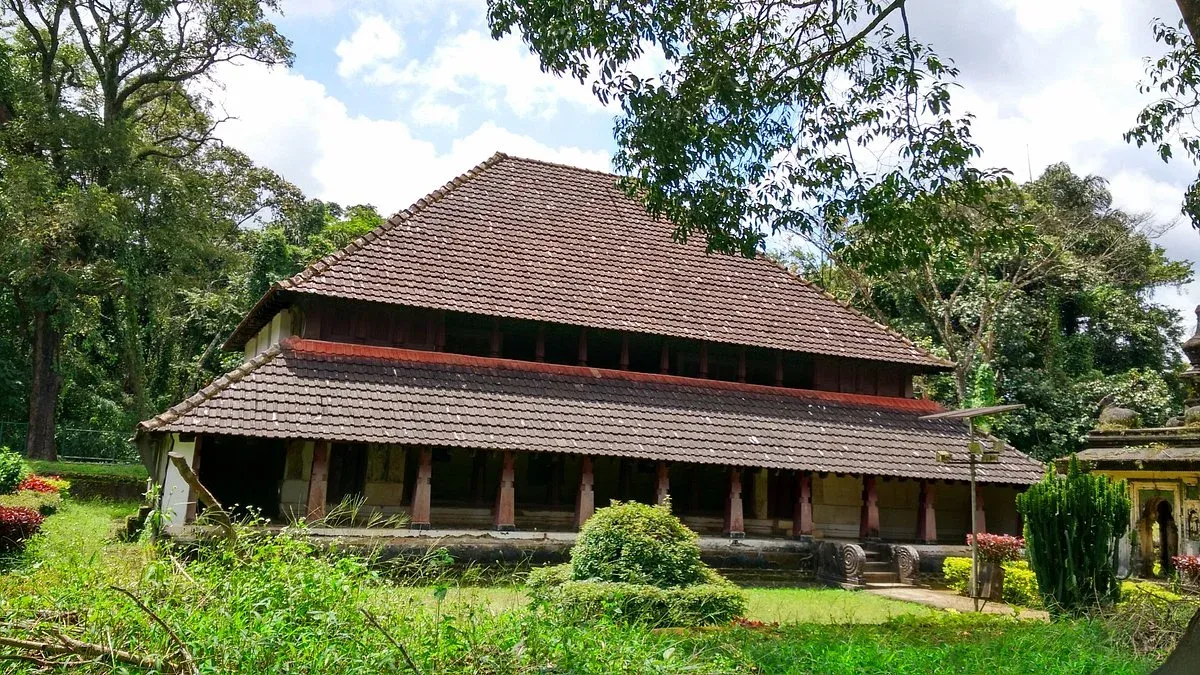
A village 35 km from Madikeri that feels like Coorg before tourism arrived. The Nalknad Palace, just outside the village, is an 18th-century royal hunting retreat built in Kerala–Kodava style with carved wooden interiors. Open to visitors, rarely crowded, and set in beautiful grounds. The conversations with locals here are worth more than the landmark.
Details: 35 km from Madikeri. Nominal palace entry fee; limited opening hours - check locally. Basic homestays in the village.
Why tourists miss it: Plantation tours are on every Coorg itinerary. Nobody thinks to ask for a bicycle at 5:30 AM.
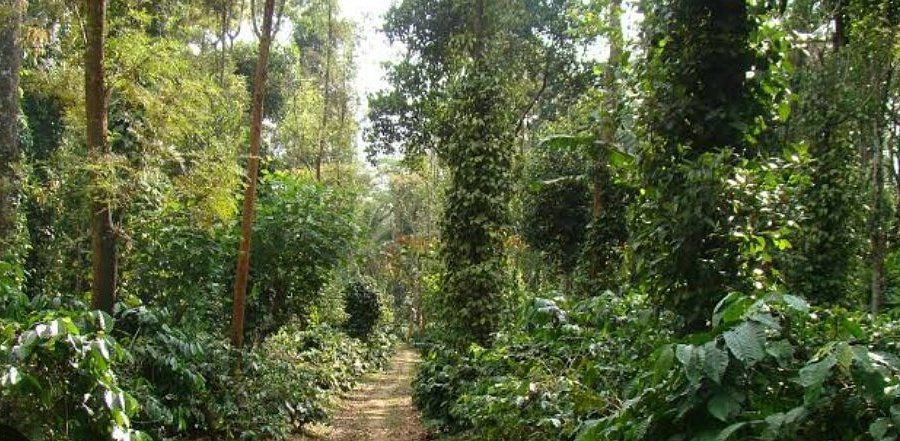
Mist between the coffee rows. Kingfishers and bee-eaters flashing through shade trees. The smell of damp earth, cardamom, and coffee blossom. Langurs watching from above. An early morning ride through the estate - before tourists, before noise, before the day begins - is one of Coorg's best experiences, and it costs almost nothing.
How to arrange it: Ask your homestay host for a bicycle and permission to ride at dawn. Most are happy to oblige - many will join you as a guide at no extra cost. For a structured experience, Mercara Gold Estate near Madikeri has formal tours with a coffee museum. Best time: February–March for blossoms; October–December for harvest.
| # | Experience | Distance from Madikeri | Cost |
|---|---|---|---|
| 1 | Kotebetta Trek | 15 km | Free + guide ₹500–800 |
| 2 | Chelavara Falls | ~40 km | Free |
| 3 | Harangi Backwaters | 30 km | Free (boating ₹200–400) |
| 4 | Kodava Homestay | Varies | ₹1,500–4,000/night |
| 5 | Chiklihole Reservoir | 15 km | Free |
| 6 | Real Kodava Food | Madikeri / Virajpet | ₹100–300/meal |
| 7 | Somwarpet + Mallalli | 55 km | Free |
| 8 | Pushpagiri Birding | ~60 km | Guide ₹800–1,500 |
| 9 | Kakkabe + Nalknad Palace | 35 km | Nominal entry fee |
| 10 | Dawn Plantation Cycle | Your stay | Usually free |
Best time to visit Coorg: October to March. Most of these experiences are accessible from Madikeri as a base. Pack light, drive slow, and eat what the locals eat.
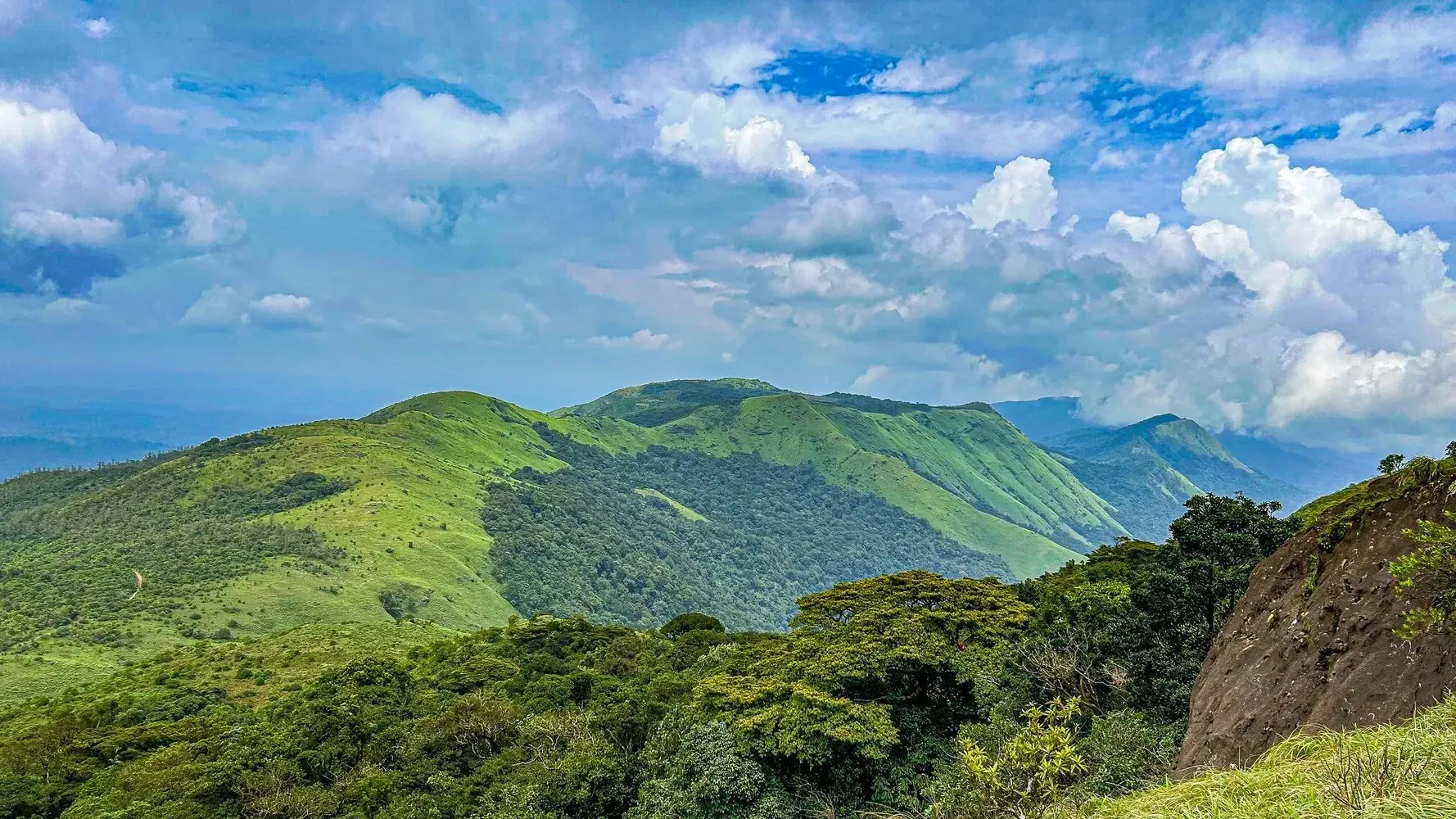
Coorg in 2026 is more popular than ever - which means the tourist trail is more crowded than ever too. But step even slightly off it, and you'll find a destination that still has the power to genuinely surprise you. No special gear, no big budget, no complicated planning. Just the willingness to go a little further, eat what the locals eat, and ask the question most tourists don't: what's everyone else missing?
Share it with your friends