Planning your first snow trip in India? Here are 15 essential things to carry, including warm clothing, waterproof shoes, medicines, skincare, travel documents and other winter essentials.
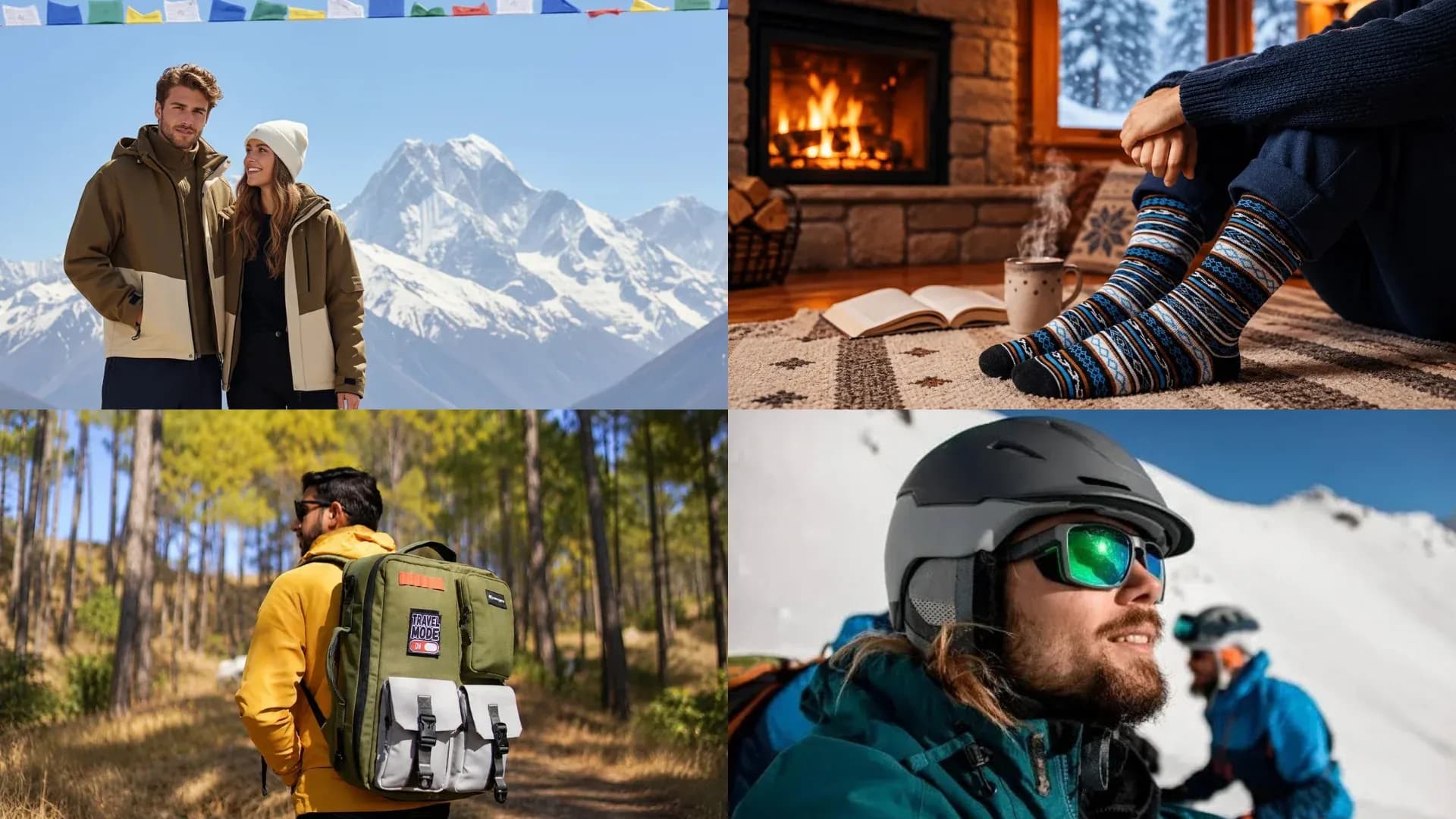
Planning your first trip to a snowy destination in India? Whether you're heading to Manali, Gulmarg, Auli, Tawang, Sikkim or Spiti Valley, travelling in winter requires more preparation than a regular holiday.
Cold temperatures, snowfall, slippery roads and high-altitude conditions can make even a short trip challenging if you don't pack the right essentials. From thermal wear and waterproof shoes to medicines and power banks, carrying the right things can make your winter holiday much more comfortable.
If you're visiting snow for the first time, here are 15 essential things to carry for a snowy trip in India.

Thermal innerwear should be one of the first things you pack for a snow trip. A good thermal top and bottom provide an extra layer of warmth without taking up much space in your luggage.
Instead of wearing one extremely thick layer, use multiple layers that you can add or remove depending on the temperature.
Tip: Carry at least two sets of thermal wear for longer trips.
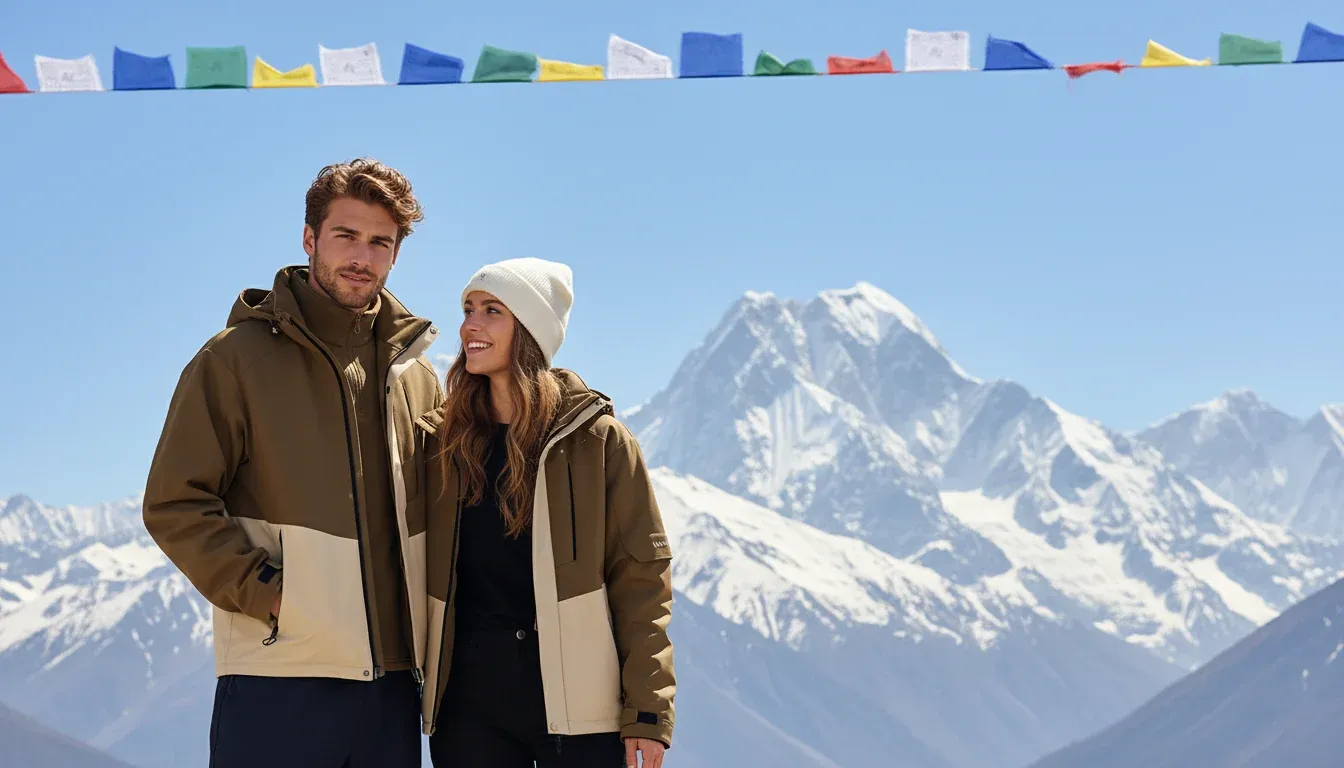
A good-quality winter jacket is essential when visiting snowy destinations.
Look for a jacket that provides insulation and offers some protection from wind and light moisture. A waterproof or water-resistant outer layer can be especially useful when you're walking through snow.
For very cold destinations, a proper insulated or down jacket can provide additional warmth.
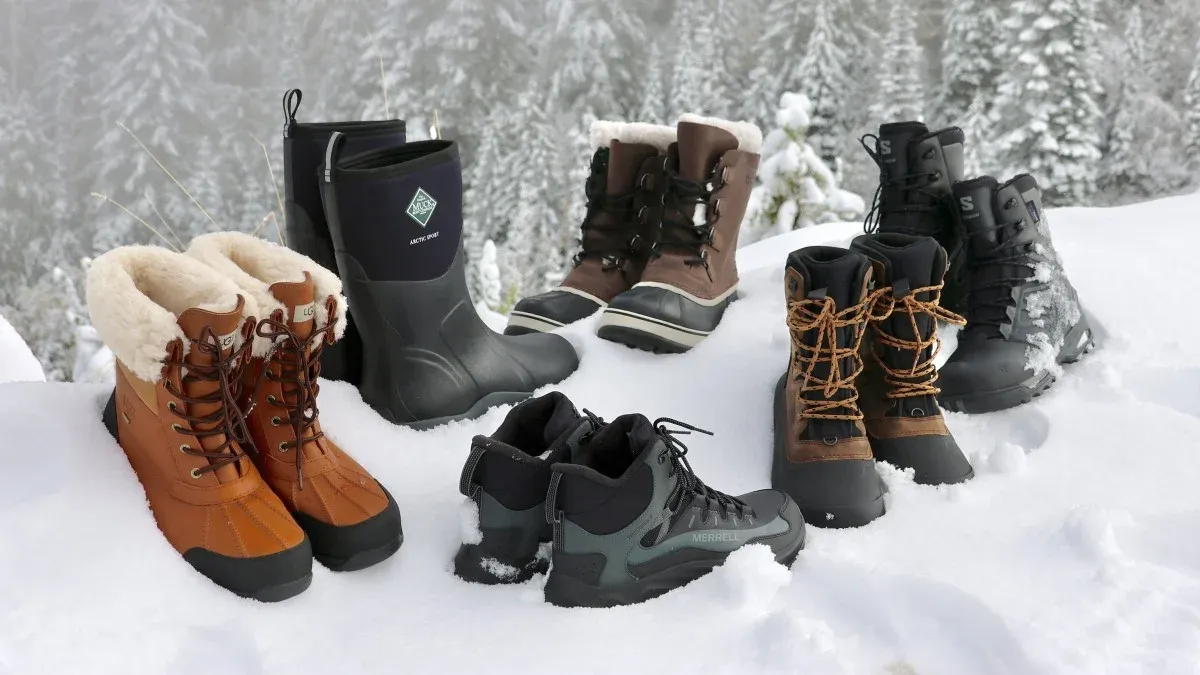
Regular sneakers may not be suitable for snowy destinations. Snow and melting ice can make your footwear wet, cold and uncomfortable.
Carry water-resistant or waterproof shoes with good grip. This is particularly important because roads and walking paths can become slippery.
If you're expecting heavy snowfall, snow boots can be a better option.
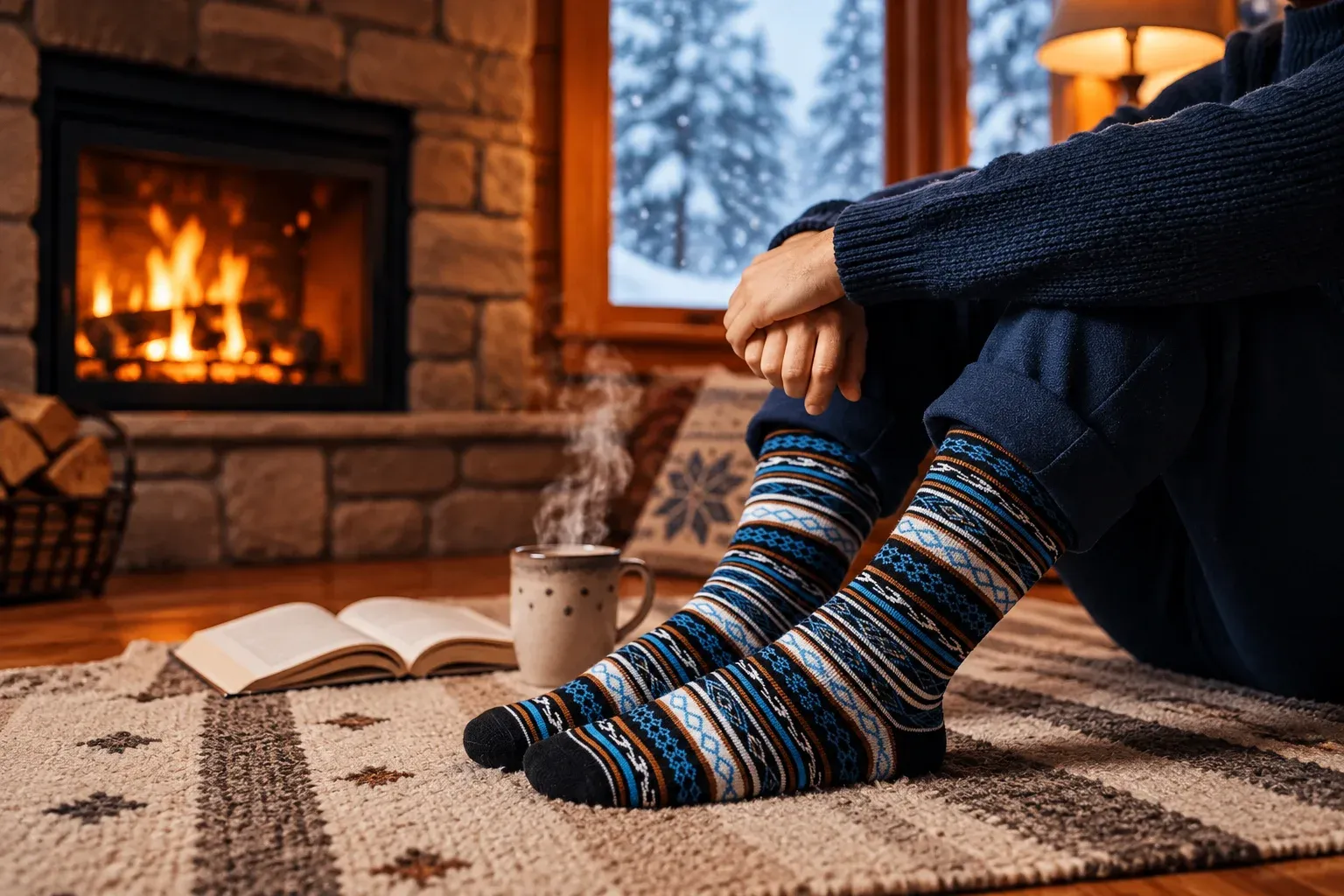
Cold feet can quickly make a winter trip uncomfortable.
Carry several pairs of warm woollen or thermal socks. Keeping an extra pair in your day bag is also a good idea in case your socks become wet.
Avoid relying only on thin cotton socks in freezing conditions.
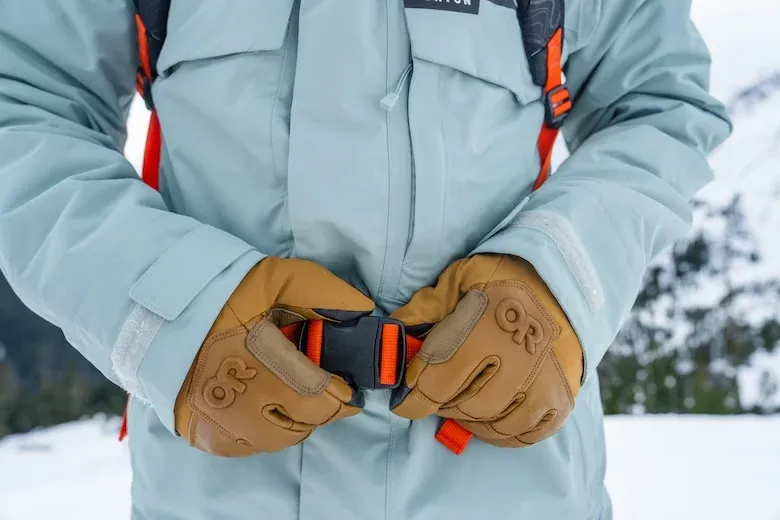
Your hands can become cold quickly when you're outside in snowy weather.
Carry insulated winter gloves that provide enough warmth while still allowing you to use your phone when necessary.
For destinations with heavy snowfall, waterproof gloves can be particularly useful.

A large amount of body heat can be lost from exposed areas, so keeping your head and ears covered is important in cold weather.
A woollen cap, beanie or ear-covering winter hat is a simple but useful addition to your packing list.
Choose one that covers your ears if you're travelling to particularly cold areas.

Sunglasses might seem unnecessary during a winter trip, but they're actually useful around snow.
Bright sunlight reflecting off snow can be uncomfortable for your eyes. A good pair of sunglasses can also protect your eyes from strong sunlight and wind.
Choose comfortable sunglasses with good UV protection.
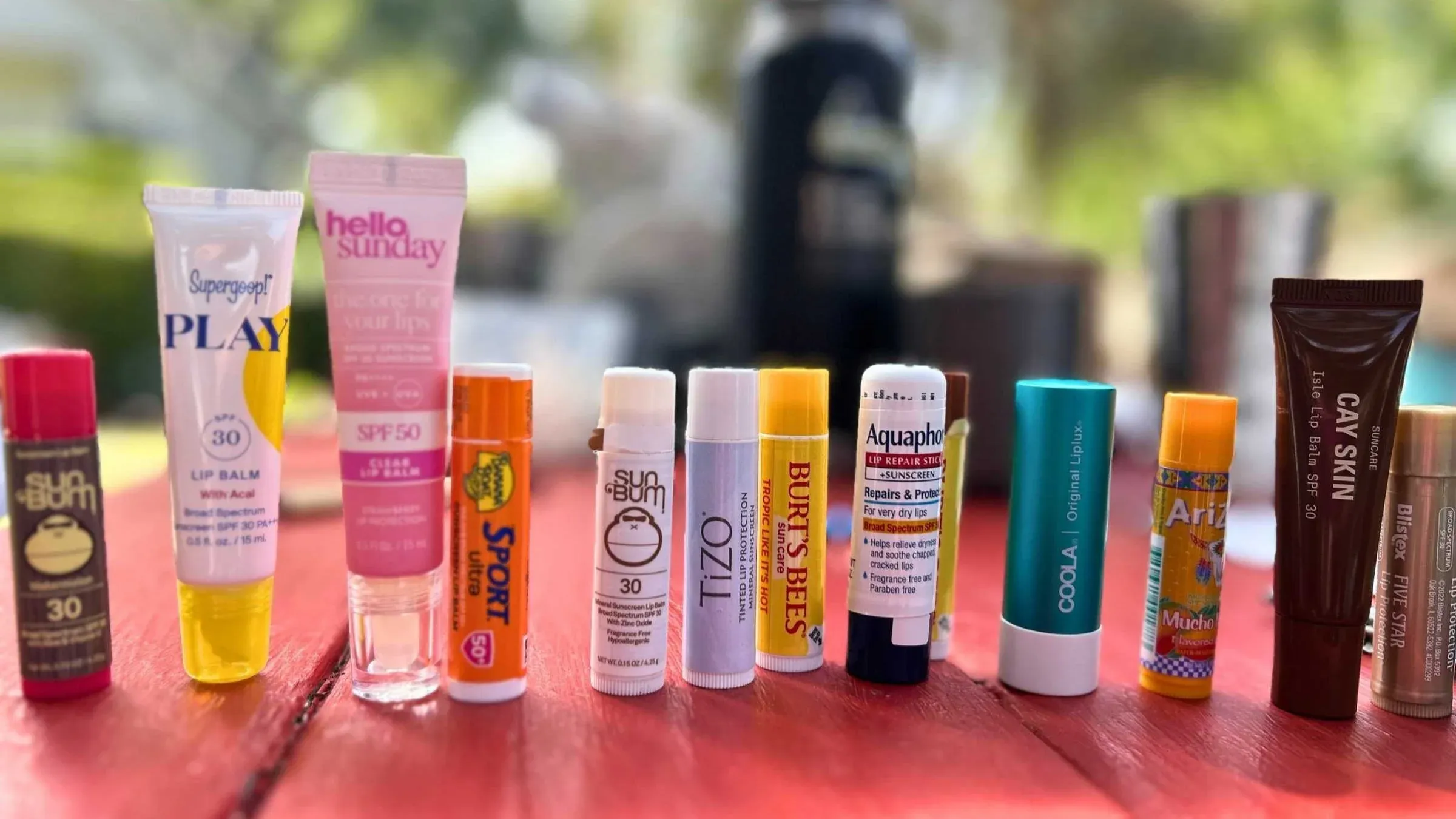
Cold weather doesn't mean you can skip sunscreen.
At higher altitudes, UV exposure can still be strong, while snow can reflect sunlight. Carry a broad-spectrum sunscreen and apply it to exposed skin before heading outdoors.
A moisturising lip balm is equally useful because cold and dry weather can cause cracked lips.

Cold mountain air can make your skin dry and uncomfortable.
Carry a moisturiser suitable for your skin type, along with basic skincare products you normally use.
You don't need to pack your entire skincare collection. Keep it simple and carry travel-sized products to save luggage space.
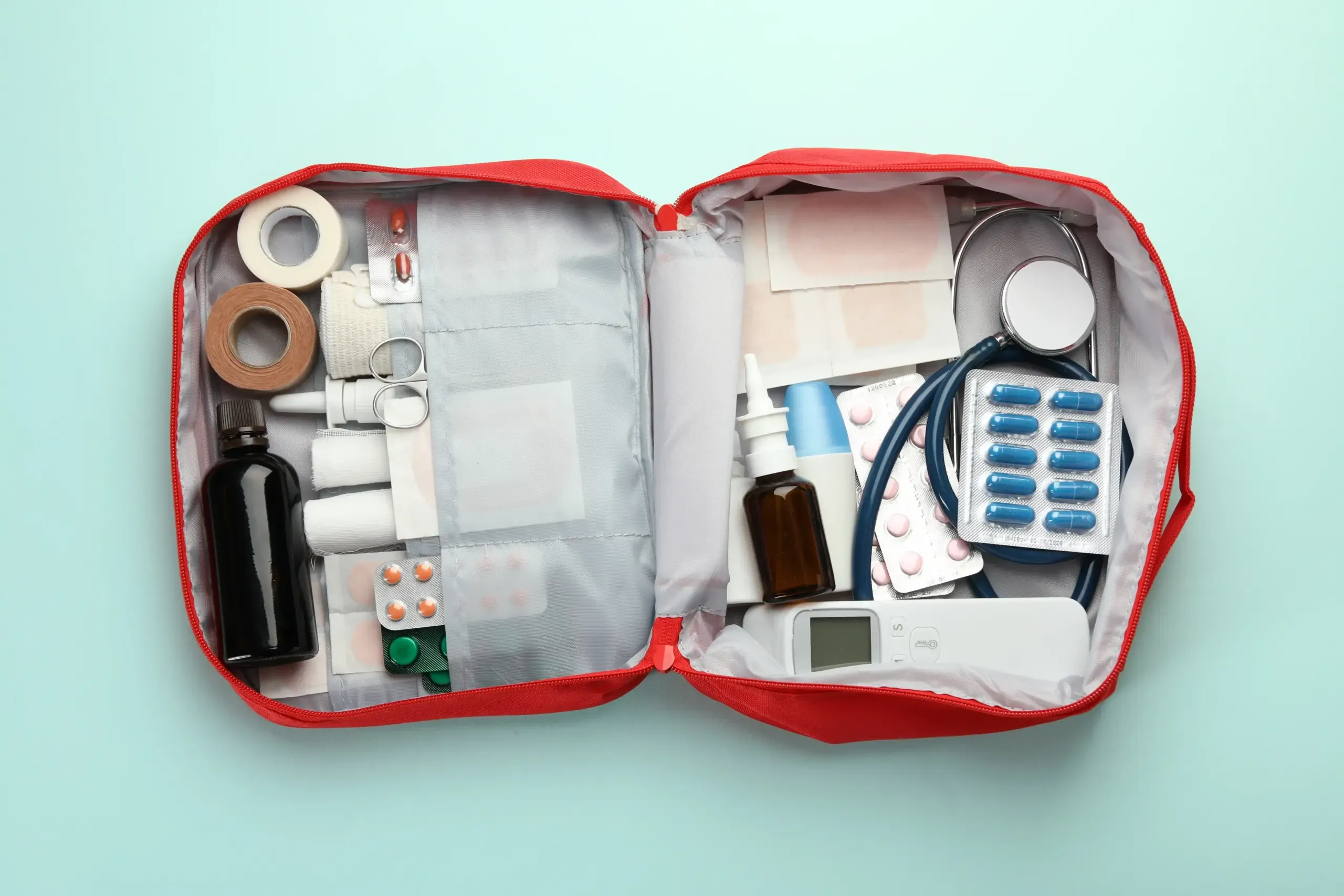
Always carry any regular medicines you need during your trip.
A small first-aid kit can also be useful. Depending on your personal needs, it may include items such as basic pain relief, bandages, antiseptic wipes and other essentials.
If you're travelling to a high-altitude destination, speak with a medical professional beforehand if you have concerns about altitude or cold-weather travel.
Important: Don't take prescription medicines or altitude-related medication without appropriate medical advice.

Cold weather and long journeys can make access to charging points unpredictable.
Carry a fully charged power bank, charging cable and necessary adapters. Keep your phone charged, particularly when travelling through remote mountain areas.
Your phone can be important for navigation, communication and accessing travel information.
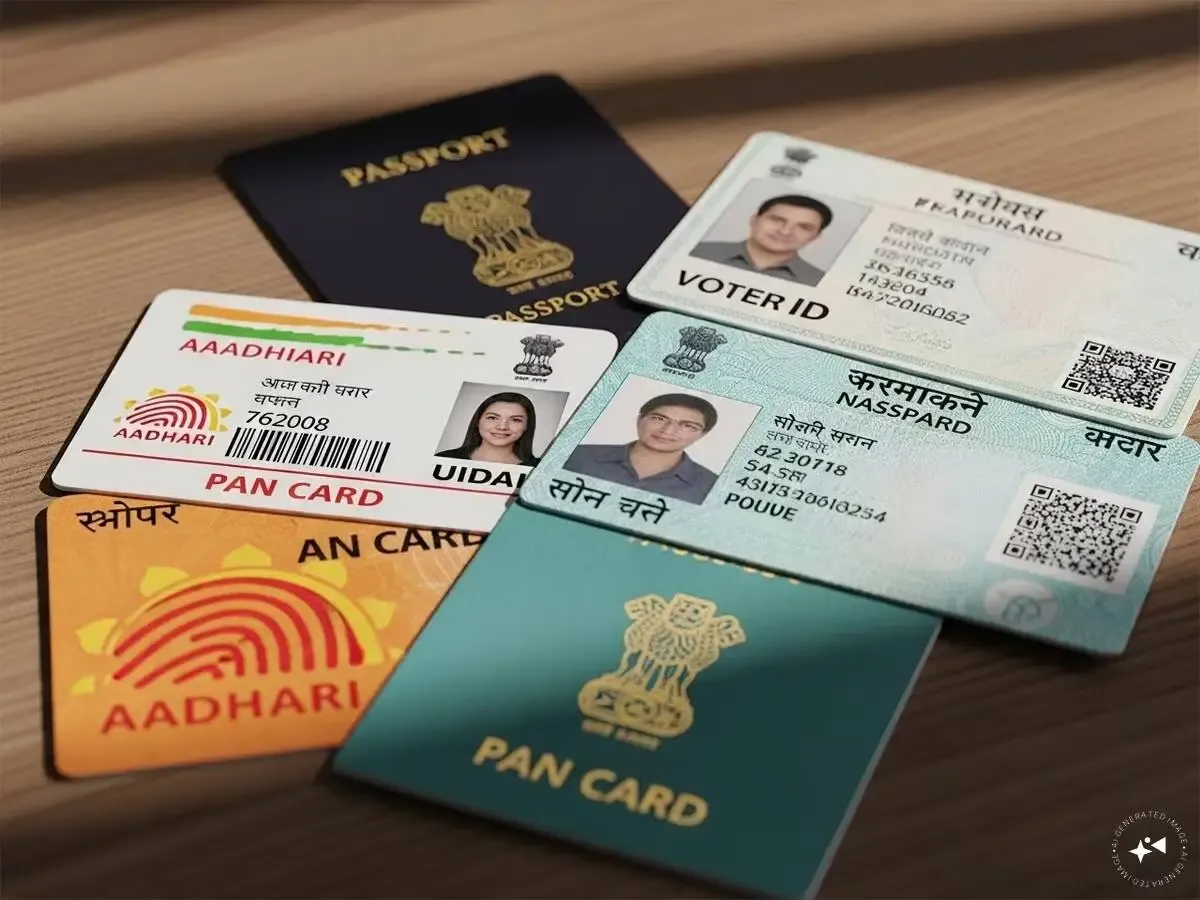
Keep your essential travel documents together in a waterproof pouch or easily accessible travel organiser.
Depending on your destination and travel arrangements, these may include:
For certain areas of Arunachal Pradesh and other restricted or protected regions, travellers may need specific permits or documentation. Always check the latest requirements before travelling.
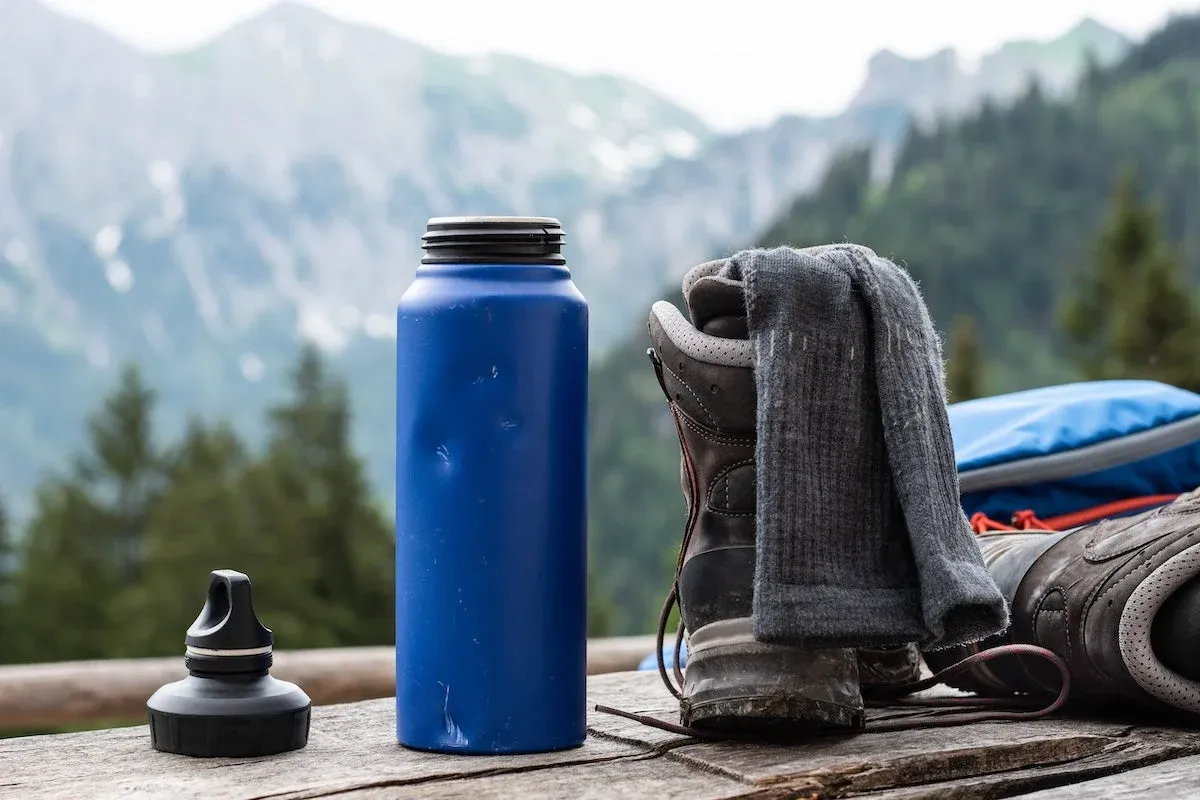
Staying hydrated is important even when you're not feeling thirsty in cold weather.
Carry a reusable water bottle and drink water regularly throughout the day.
If you're travelling to a high-altitude destination, staying hydrated can be particularly important as your body adjusts to the conditions.

Long mountain journeys can involve limited food options, especially when travelling through remote areas.
Carry a few easy-to-pack snacks such as:
These can be useful during long road journeys, sightseeing or unexpected delays.
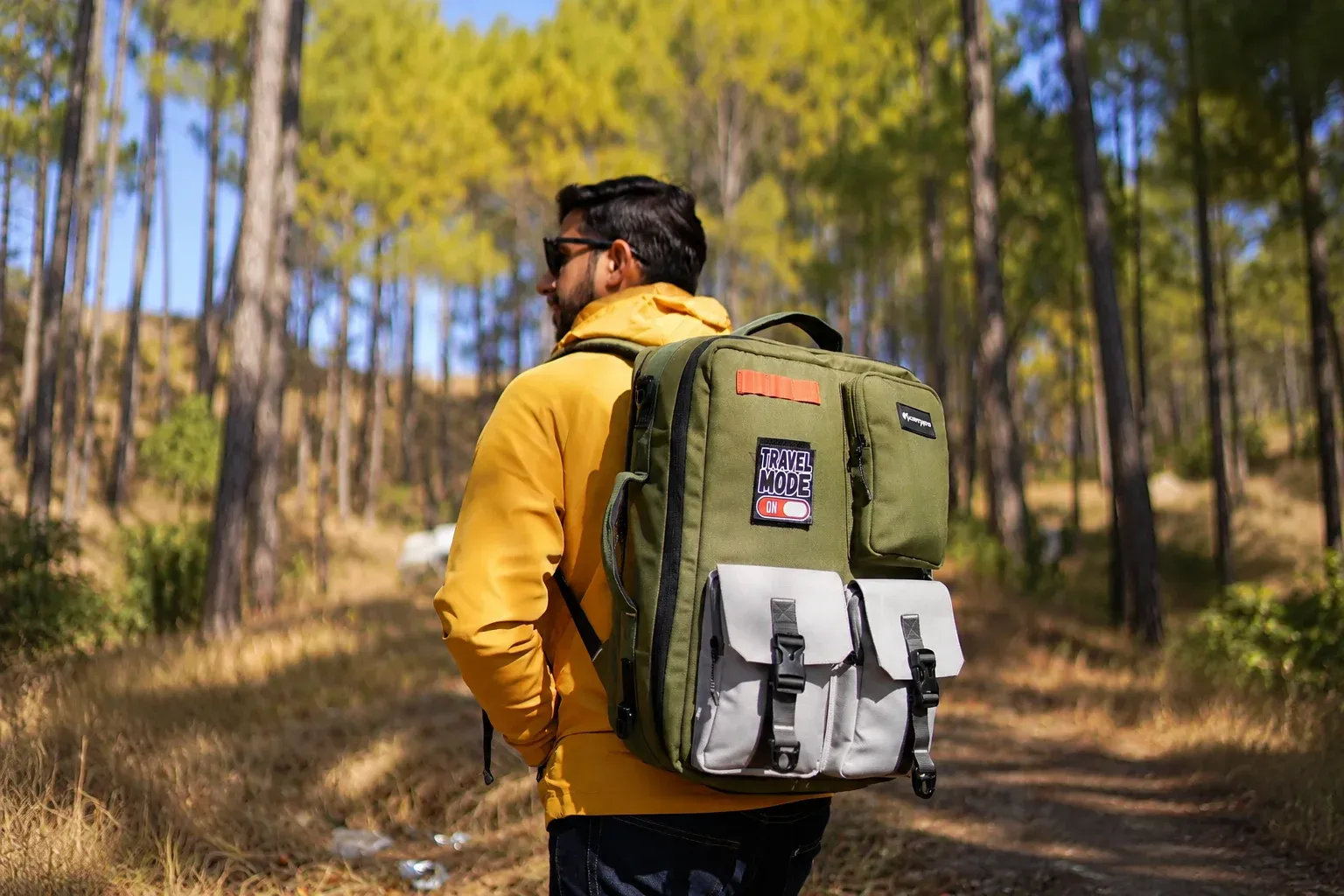
You don't need to carry your entire suitcase everywhere.
A small, comfortable backpack is useful for day trips and can hold your water bottle, snacks, power bank, medicines, sunscreen, gloves and other essentials.
Choose a lightweight bag that is comfortable to carry and, ideally, offers some water resistance.
Apart from these 15 essentials, you may also want to carry a few additional items depending on your destination and itinerary.
You don't need every item on this list. Choose according to the destination, duration and type of trip you're planning.
If you're visiting snow for the first time, layering is more important than simply wearing the thickest clothes you own.
A basic winter outfit can include:
Base layer: Thermal top and bottom
Middle layer: Fleece, sweater or sweatshirt
Outer layer: Insulated winter jacket
Lower body: Warm trousers or snow pants
Feet: Woollen socks + waterproof shoes
Head: Warm cap or beanie
Hands: Insulated gloves
This allows you to adjust your clothing as temperatures change throughout the day.
Packing correctly is only one part of preparing for a winter trip.
Mountain weather can change quickly. Check the latest forecast before travelling and continue monitoring local updates during your trip.
Snowfall can affect roads and transport services. This is particularly important when travelling to remote destinations such as Spiti Valley, Tawang and high-altitude areas of Sikkim.
A destination may look beautiful in photographs, but temperatures can drop significantly after sunset. Always carry enough warm clothing.
Snow and ice can make roads, stairs and walking paths slippery. Wear shoes with good grip and walk carefully.
Some snowy destinations are located at high elevations. Avoid overexertion immediately after arriving and pay attention to how your body feels.
Winter weather can cause delays and changes to travel plans. Don't plan your schedule so tightly that you have no room for unexpected road or weather conditions.
Before leaving home, use this quick checklist:
☐ Thermal wear
☐ Winter jacket
☐ Waterproof shoes
☐ Woollen socks
☐ Gloves
☐ Warm cap
☐ Sunglasses
☐ Sunscreen
☐ Lip balm
☐ Moisturiser
☐ Personal medicines
☐ First-aid essentials
☐ Power bank
☐ ID and travel documents
☐ Water bottle
☐ Snacks
☐ Small backpack
A snowy holiday in India can be an unforgettable experience, especially if it's your first time seeing snowfall. But destinations such as Manali, Gulmarg, Auli, Tawang, Sikkim and Spiti Valley can have very different weather and travel conditions.
The key is to pack smart rather than simply packing more. Warm layers, waterproof footwear, gloves, skincare essentials, medicines, travel documents and electronic essentials should all have a place in your bag.
Before leaving, check the latest weather, road conditions and local travel advisories for your destination. With the right preparation, you can spend less time worrying about the cold and more time enjoying India's beautiful winter landscapes.
Share it with your friends