Discover Muna Island, one of Southeast Sulawesi's hidden gems, where turquoise lakes, ancient cave art, spectacular limestone caves and a unique jellyfish lake await adventurous travelers.
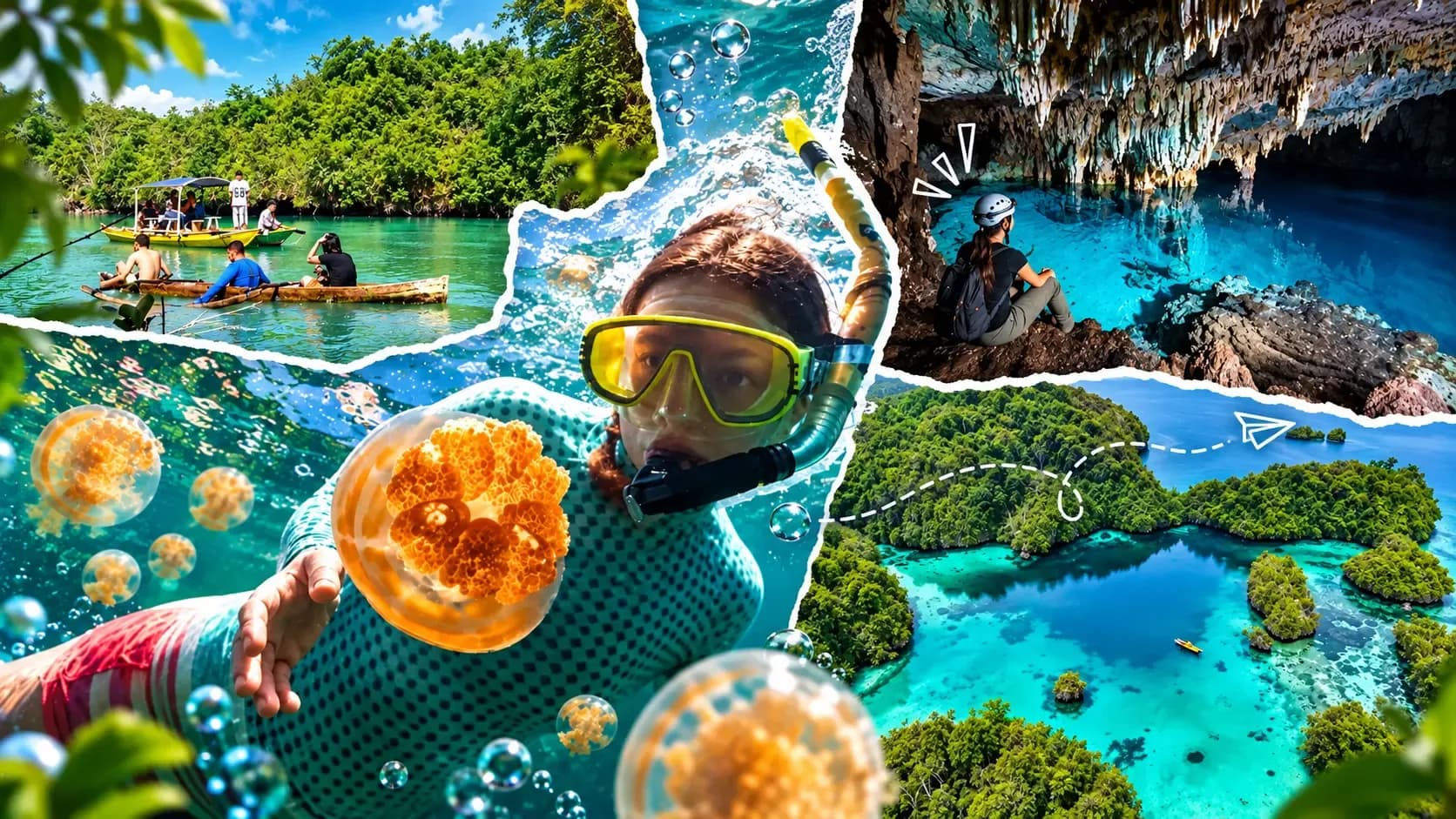
Muna Island, Indonesia, is one of Southeast Sulawesi’s most intriguing off-the-beaten-path destinations, known for turquoise sinkhole lakes, hidden caves, prehistoric rock art, jungle landscapes, and a remarkable jellyfish lake. Located near Buton Island, Muna is an excellent choice for travelers looking beyond the more famous destinations of Indonesia.
From swimming in the Moko Lakes and exploring Koo Cave to taking a boat through the narrow passage at Napabale Lake, there are plenty of unique experiences here. Muna is also home to prehistoric cave art at Metanduno that researchers have dated to at least 67,800 years old, making the island particularly fascinating for history and archaeology enthusiasts.
If you're planning a trip to Southeast Sulawesi, this Muna Island travel guide covers how to get there, the best places to visit, where to stay, transportation, the best time to go, and practical travel tips.
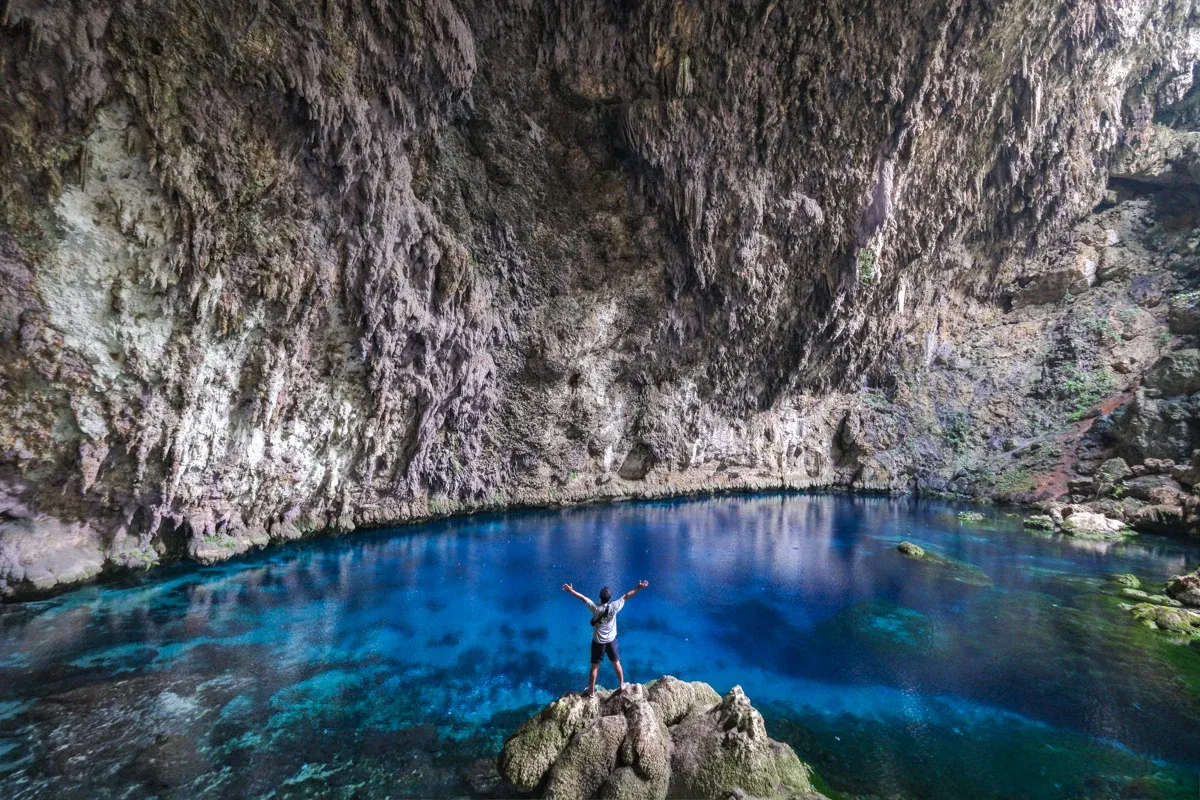
Muna Island offers a completely different experience from Indonesia's busier tourist destinations.
The island combines:
One of Muna's biggest attractions is its relatively remote atmosphere. Travelers looking for hidden places in Indonesia and lesser-known destinations in Sulawesi will find plenty to explore.
Muna Island is located off the coast of Southeast Sulawesi. There are several ways to reach the island, depending on where your journey begins.
The easiest option can be flying directly to Raha (RAQ), the main city on Muna Island.
Flights operate from Makassar (UPG), with the flight taking less than an hour. According to current travel information, there is approximately one flight per day as of 2026, so checking the schedule before planning your trip is important.
Another popular option is flying from Makassar to Baubau (BUW) on neighboring Buton Island.
From Baubau, travelers can take a ferry to Wamengkoli, on the southern side of Muna. The ferry crossing takes around 30 minutes and can accommodate cars and motorbikes.
This route is particularly convenient if you're planning to explore both Buton Island and Muna Island.
You can also take a fast ferry from Kendari to Raha. The journey takes around three hours and provides another practical option for reaching Muna.
Travelers coming from Bali or Jakarta will generally need to connect through another Indonesian city, with Makassar being an important gateway for the journey.
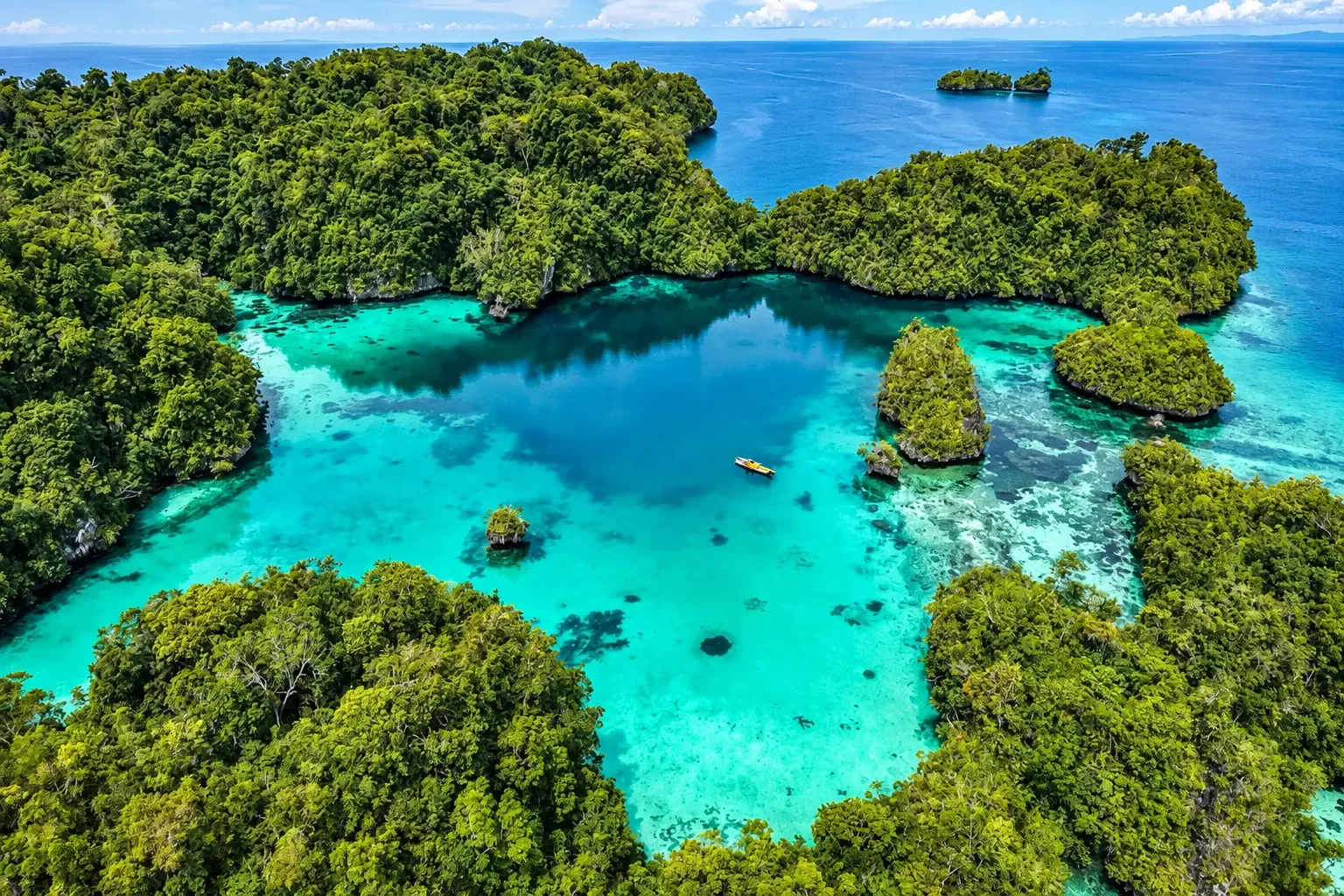
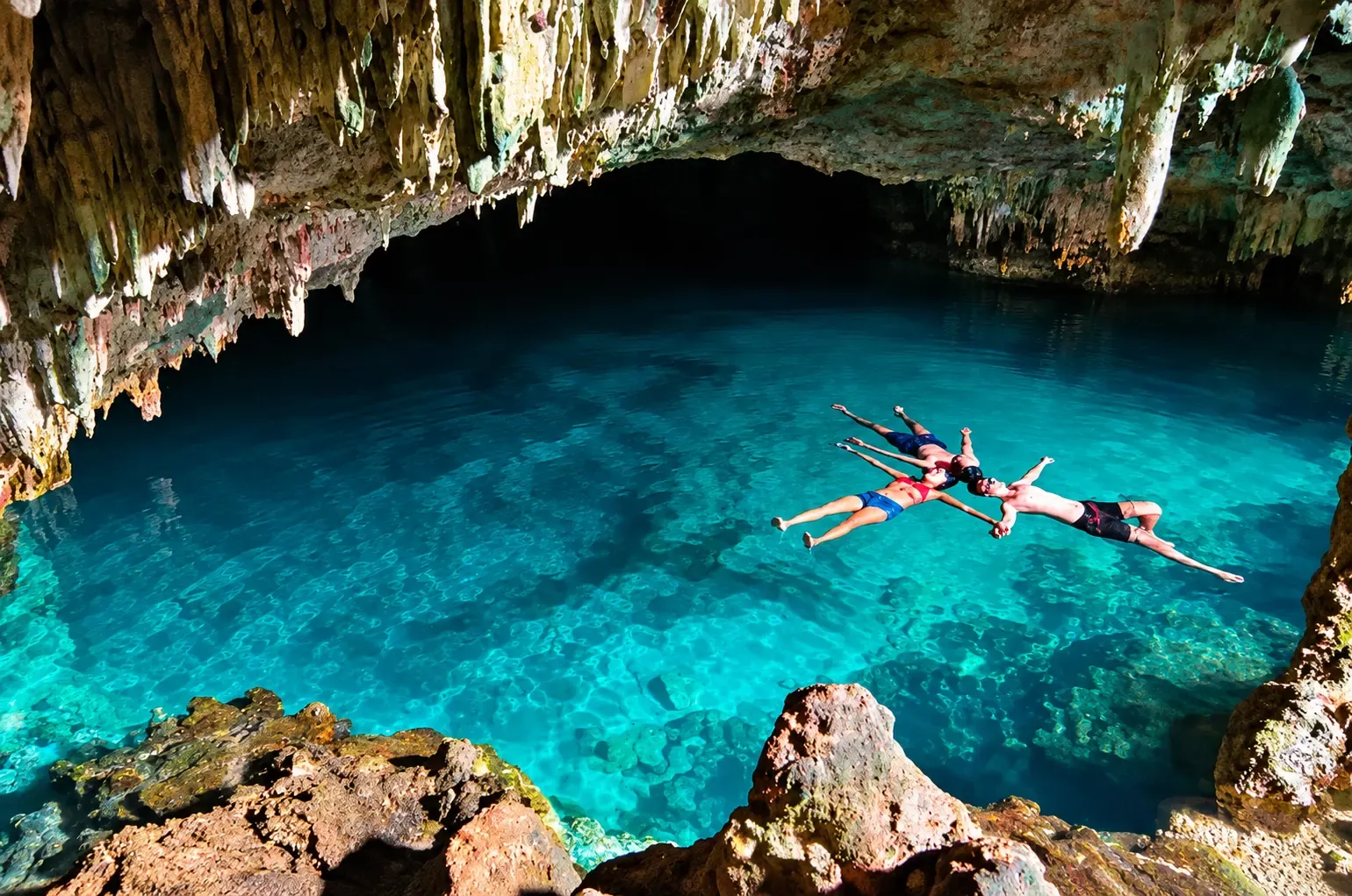
The Moko Lakes are among the most beautiful natural attractions in Muna.
This group of blue-water sinkholes is located in central Muna, with five lakes spread across a relatively small area. Three are suitable for swimming.
The vivid blue water and limestone surroundings can make the lakes feel almost like natural Indonesian versions of Mexico's cenotes.
The first Moko Lake is the easiest to access. It is only a few minutes from the main road and has parking close to the water.
Ladders make entering and leaving the lake easier, making it one of the more accessible places for a refreshing swim.
However, because it is easier to reach, it can be busier and may have more litter than the other lakes.
The second lake is only a short drive from the first but offers a much quieter experience.
There are fewer facilities, giving the area a more natural atmosphere. A rocky path leads down toward the water.
The third Moko Lake is larger and surrounded by jungle. Like the second lake, it tends to be quieter and more secluded.
For travelers searching for hidden lakes in Indonesia, these Moko Lakes are definitely worth adding to your Muna itinerary.
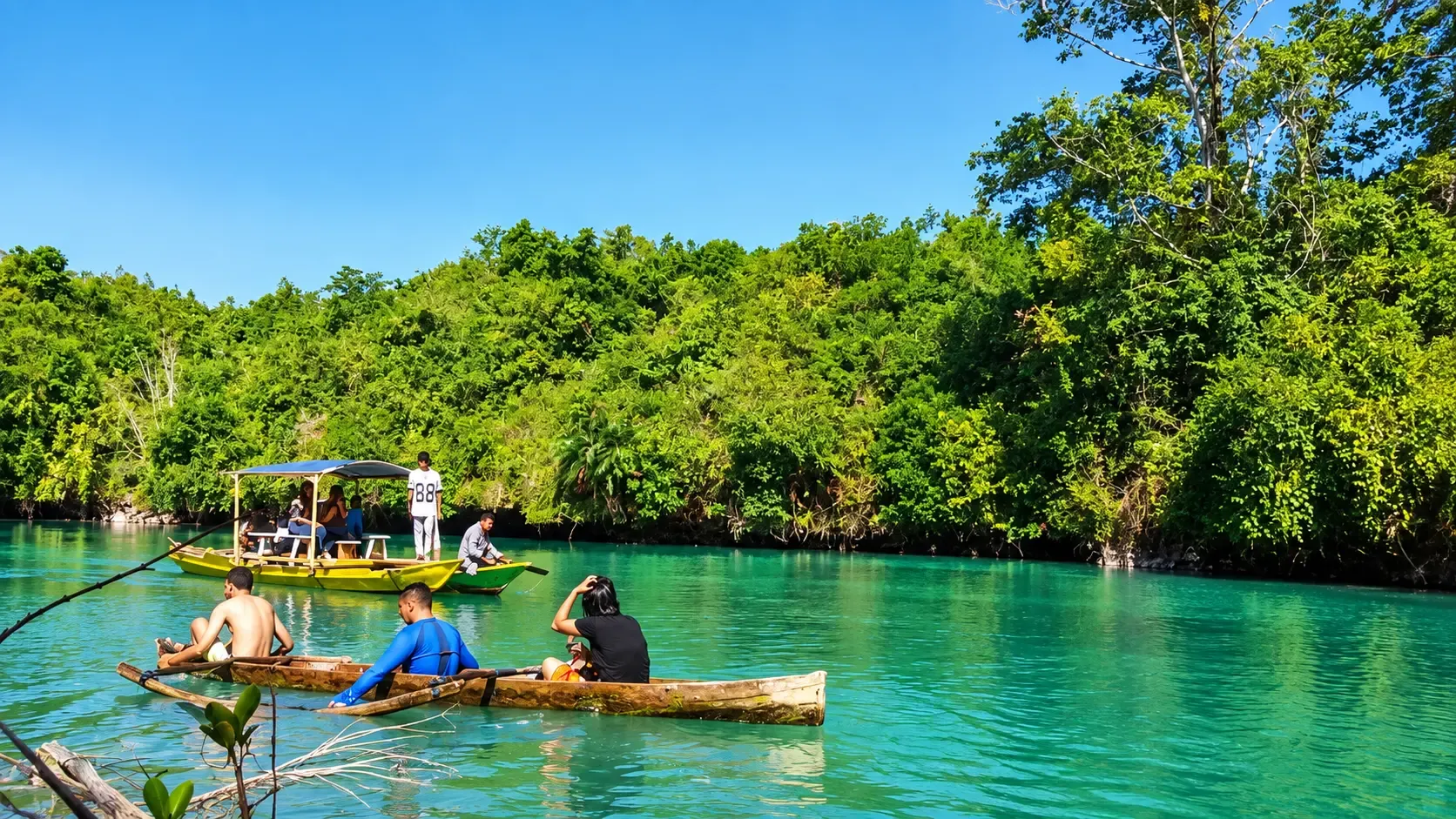
Napabale Lake is another must-see attraction in Muna.
The experience is more than simply visiting a lake. A boat journey takes you through a narrow natural tunnel connecting the lagoon to another body of water. The passage is small enough that passengers may need to lower themselves as the boat moves through.
From there, the journey continues toward Liwu Wandala Lake, where the water takes on an incredible turquoise color.
The entire boat trip is relatively short, but it combines caves, lagoons, limestone formations, and open ocean scenery.
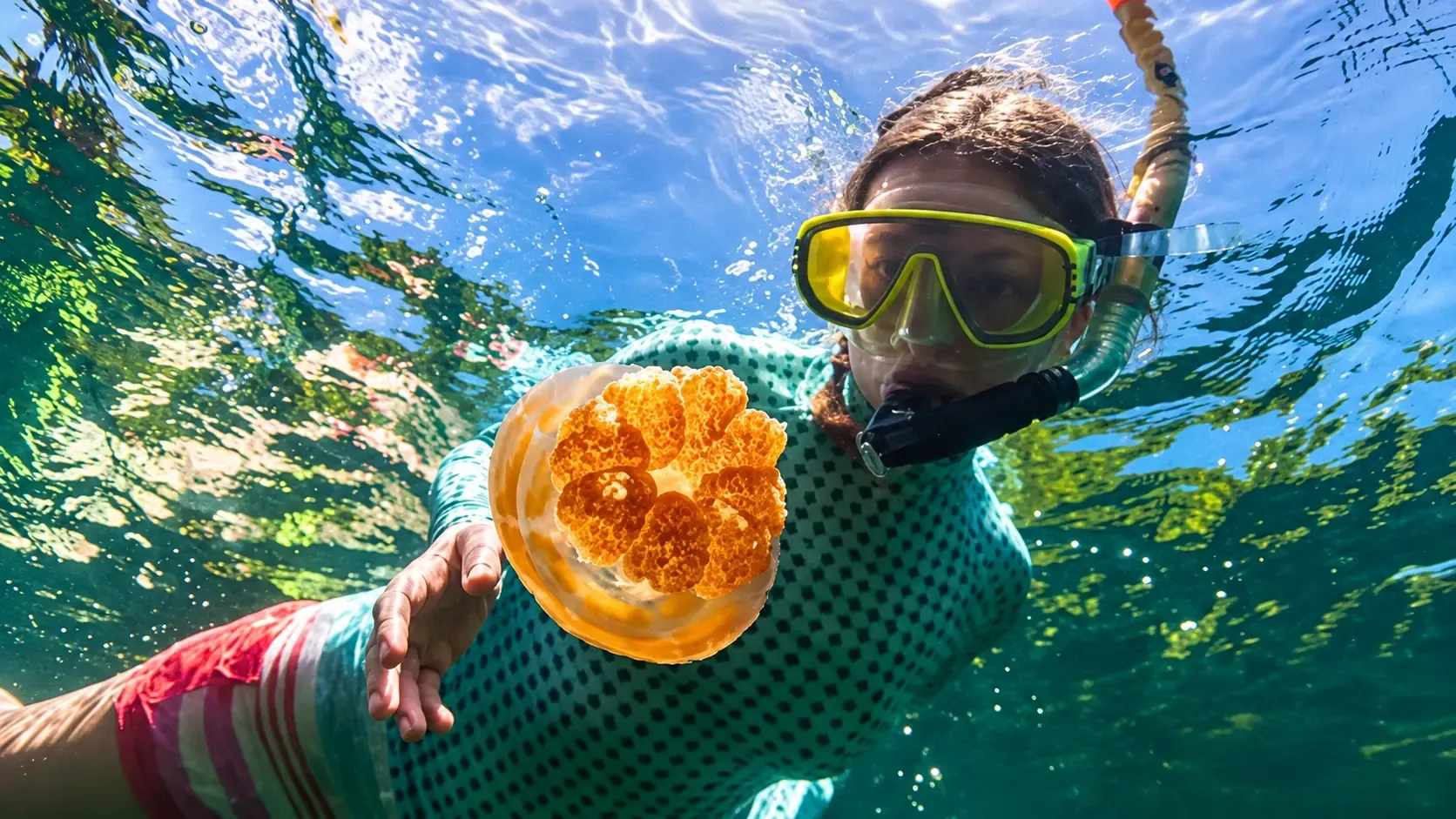
One of the most unusual experiences on Muna Island is visiting its jellyfish lake.
After reaching the Liwu Wandala area by boat, travelers can hike toward the jellyfish lake. The walk takes roughly 15 minutes along sections that can become steep.
The lake contains thousands of jellyfish belonging to two species. According to the source experience, these jellyfish are stingless and harmless, allowing visitors to swim among them.
For adventurous travelers, this is easily one of the most memorable things to do in Muna Island.
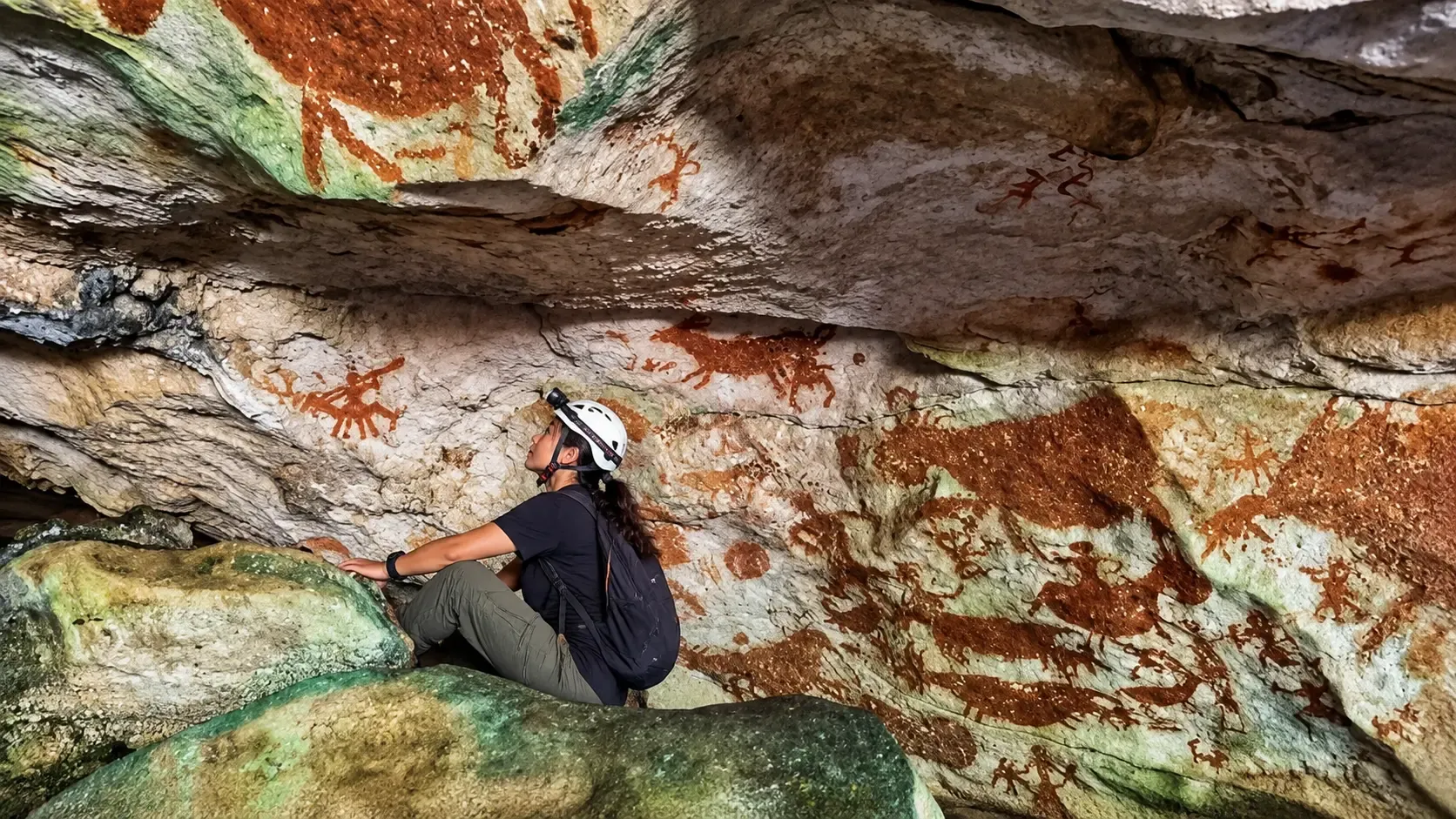
Muna isn't only about lakes and beaches.
The island also has an important collection of prehistoric cave art in its northern karst region.
Two notable caves are Liang Metanduno and Liang Kabori. They are relatively close to their parking areas, making them easier to visit than some of Muna's more remote caves.
The Metanduno cave is particularly significant. Research published in 2026 identified a hand stencil there as at least 67,800 years old, making it the oldest known example of human art according to the research cited in the source.
Inside the caves, visitors can also see depictions of animals, including horses.
For anyone interested in prehistoric cave art in Indonesia, Muna is an extraordinary destination.
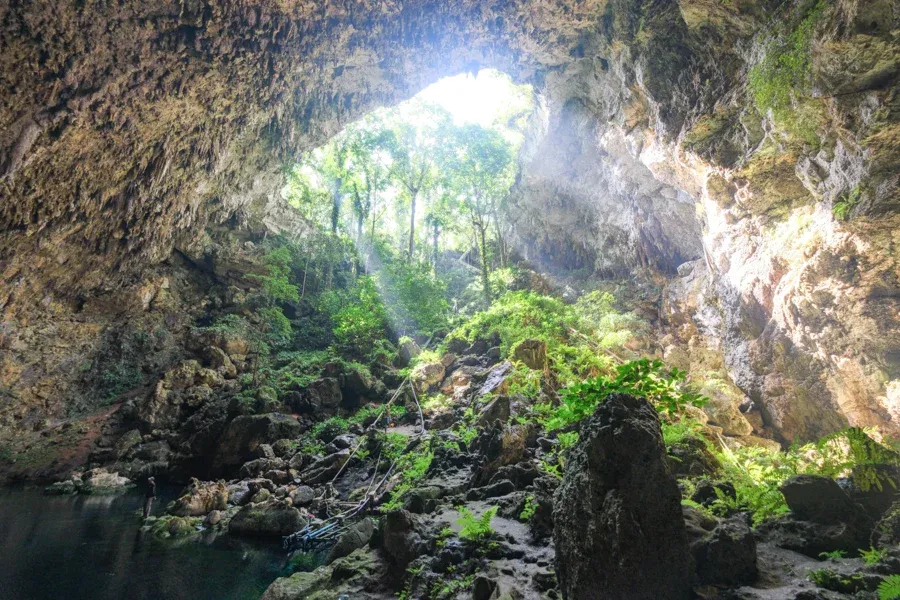
Koo Cave, also known as Ko'o Cave, is another spectacular natural attraction.
The cave contains two striking blue pools surrounded by jungle and limestone formations. A metal staircase makes the first viewpoint relatively easy to reach.
For those wanting to reach the lower pool, there is another hike into the cave.
The route can be slippery and uneven, so proper footwear is recommended. Once inside, sunlight entering the cave can illuminate the blue water and make the scenery especially impressive.
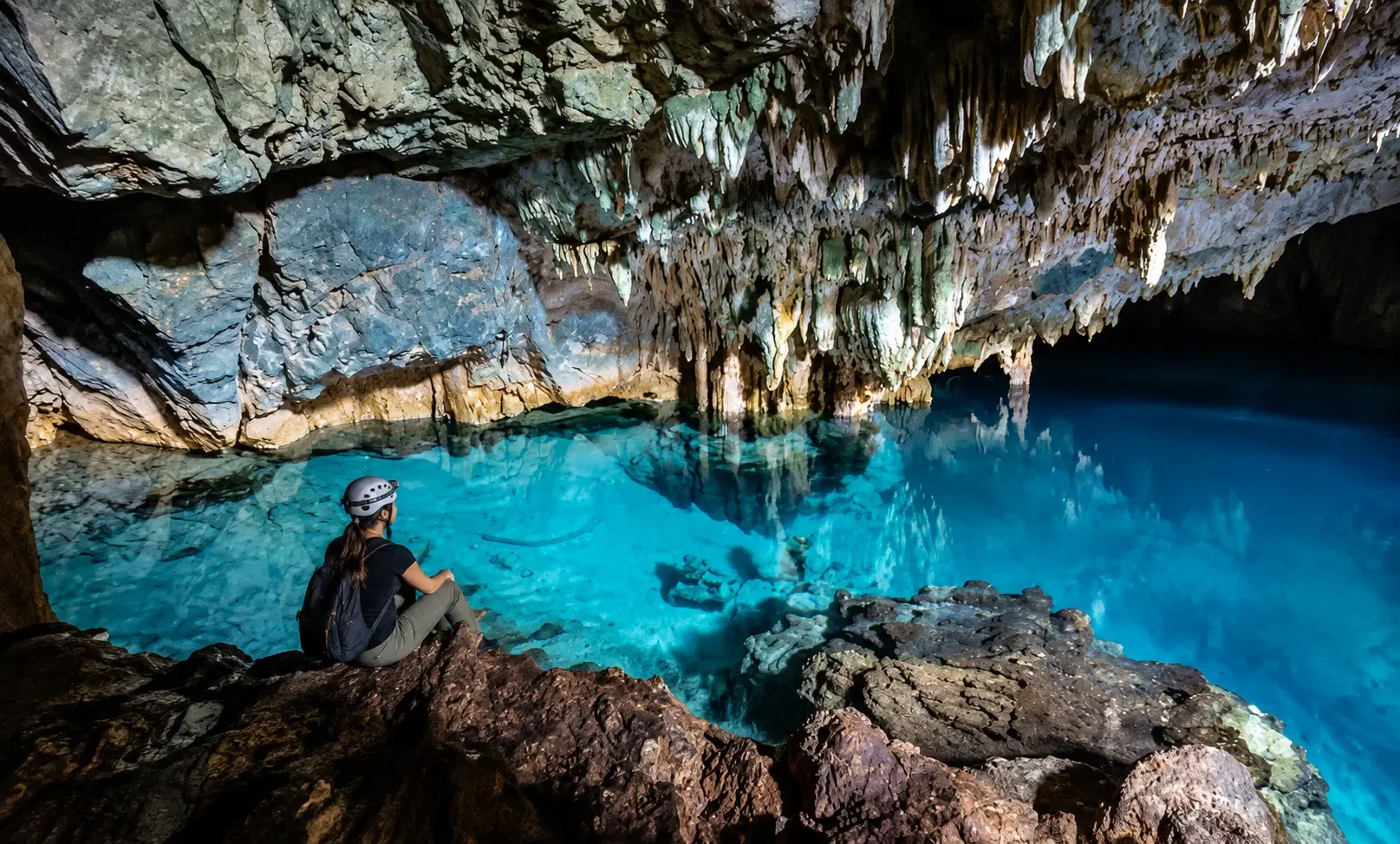
Located in southern Muna, Laumehe Cave is known for its impressive stalactites and long underground passage.
The cave entrance can be reached with a short walk, followed by a metal walkway and stairs descending into the cave. Helmets are provided for visitors.
The accessible section takes around 30 minutes to explore, although the cave continues beyond the end of the visitor walkway.
If you're interested in caving in Sulawesi, Laumehe is one of the places worth including in your itinerary.
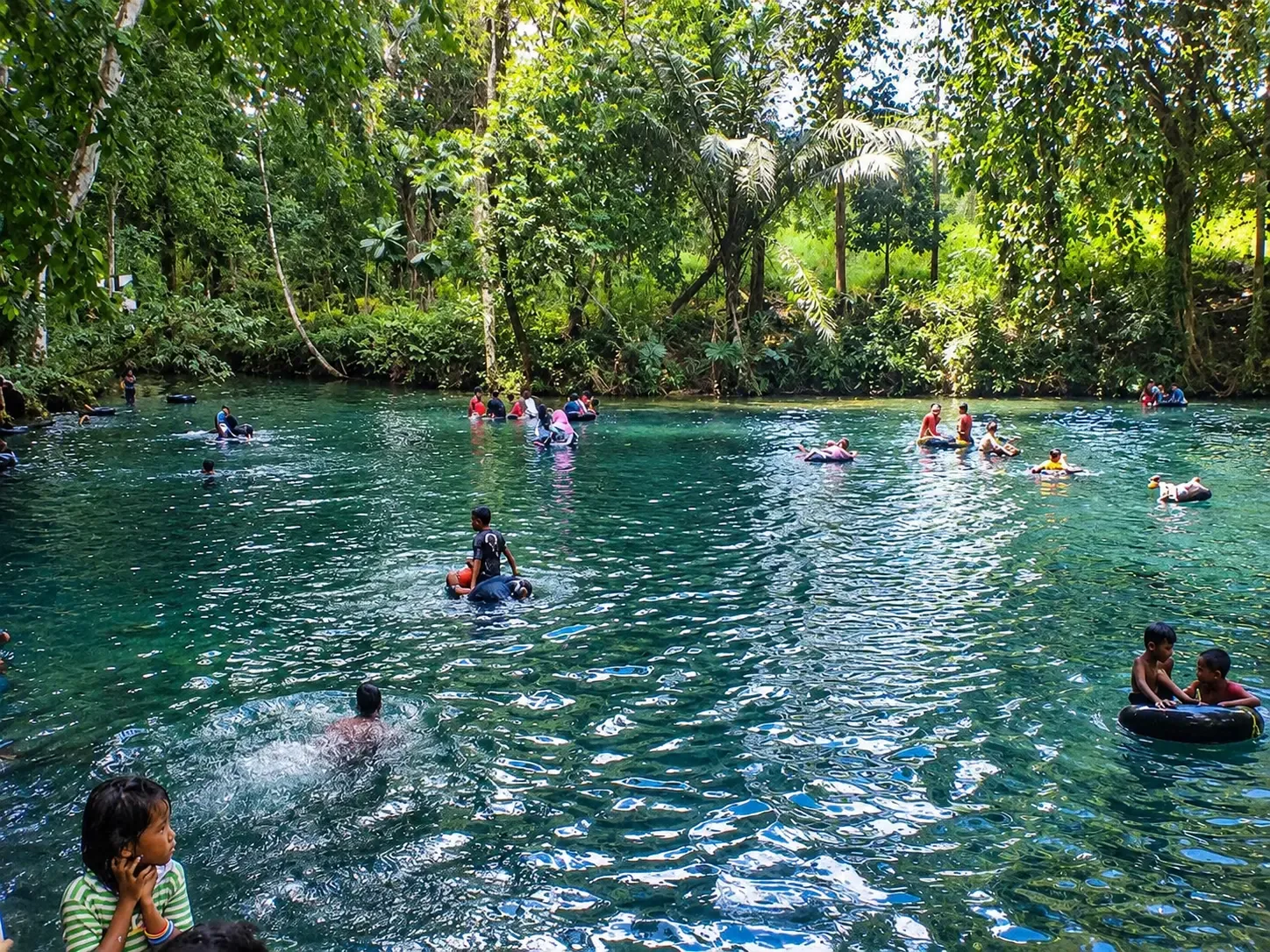
Wakumoro Pool is a natural swimming pool surrounded by large trees.
It can make a convenient stop while exploring central Muna, although conditions can vary. The source notes that the pool area experienced significant litter during the visit.
Visitors should help protect the area by avoiding single-use plastic and taking their rubbish with them.
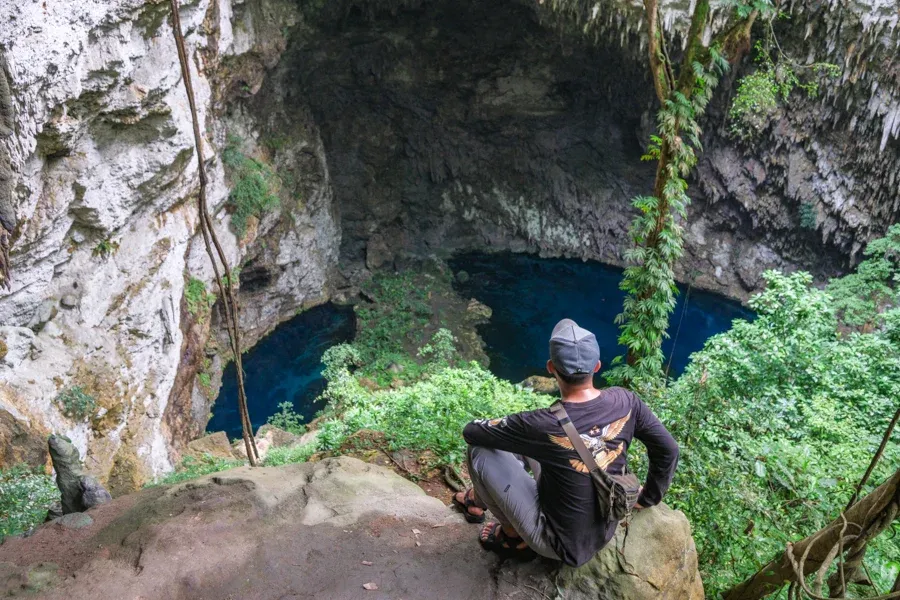
Bidadari Cave is located in the southern part of the Buton-Muna travel route.
The cave can be reached with a short walk and contains clear pools beneath an open section of the cave roof where sunlight enters.
It is particularly convenient if you're traveling between Buton and southern Muna.
If you have extra time, several lesser-known locations can be added to your itinerary.
These include:
Some of these locations require longer drives, boat trips, or trekking, so they are better suited to travelers with additional time.
If you're combining Muna with Buton Island, a 10-day itinerary can work well.
Explore Baubau, including local markets, historic sites and nearby beaches.
Take a boat trip around Siompu and nearby islands.
Explore southern Buton by boat.
Hike to Samparona Waterfall.
Visit waterfalls in northern Buton.
Explore viewpoints, traditional villages and beaches.
Take the morning ferry from Buton to Muna. Visit Bidadari Cave, Kotaeono Cave and the Moko Lakes.
Explore Napabale Lake, Liwu Wandala and the jellyfish lake before visiting the prehistoric caves.
Visit the Bajo villages and nearby sandbars.
Explore Koo Cave and Laumehe Cave before returning toward Buton.
This itinerary is based on the route described in the supplied travel source, with Muna attractions concentrated into the final four days.
Most accommodation options are concentrated around Raha, the main town in northern Muna.
Located near Wamengkoli in southern Muna, this is a convenient option if you're arriving by ferry and planning to explore the southern part of the island.
Located in Raha, NES Inn is described in the supplied source as one of the nicer hotel options in the town.
DJ Hotel is another option in Raha, particularly suitable for travelers looking for a straightforward stay with breakfast included.
Renting a car or motorbike is one of the easiest ways to explore Muna independently.
Another option is hiring a local driver, which can be especially useful if you plan to visit caves, lakes and remote attractions in a short amount of time.
The main roads have reportedly been improved, and traffic outside the towns is generally light.
For boat trips and more remote attractions, hiring a local guide can make the journey easier.
The dry season from May to October is generally considered the best time to explore Sulawesi, particularly for outdoor activities such as swimming, boating and trekking.
April can also offer favorable conditions, while the wetter months from December to February may be less convenient for outdoor adventures.
If caves are a major reason for your trip, sunny weather can also improve the experience because sunlight entering the caves can make the underground pools look even more vibrant.
ATMs are available in places such as Raha, but they are less common and may not always be reliable. Carry enough cash before heading to remote parts of the island.
Internet access can be limited, particularly outside the main accommodation areas.
Telkomsel reportedly provides good mobile reception across much of the island, including some areas visited by boat.
Several caves and hiking routes involve rocks, uneven surfaces and slippery sections. Good walking shoes are especially important for Koo Cave and some of the more remote attractions.
Some popular swimming spots have experienced problems with plastic waste. Travelers should avoid leaving rubbish behind and, where possible, help keep these natural attractions clean.
Absolutely.
Muna Island is ideal for travelers who want to experience a less-visited side of Indonesia. Instead of large resorts and crowded tourist attractions, you'll find blue sinkhole lakes, limestone caves, ancient rock art, jungle landscapes, boat adventures and a unique jellyfish lake.
The island is especially appealing when combined with neighboring Buton Island, creating a longer Southeast Sulawesi adventure.
If you're searching for hidden gems in Indonesia, things to do in Muna Island, or an off-the-beaten-path Sulawesi itinerary, Muna deserves a place on your travel list.
Share it with your friends