Planning a trip to Vietnam? Learn about the top 10 scams tourists still fall for in 2026, including taxi frauds, fake tours, hotel tricks, and street scams, so you can travel safely and avoid costly mistakes.
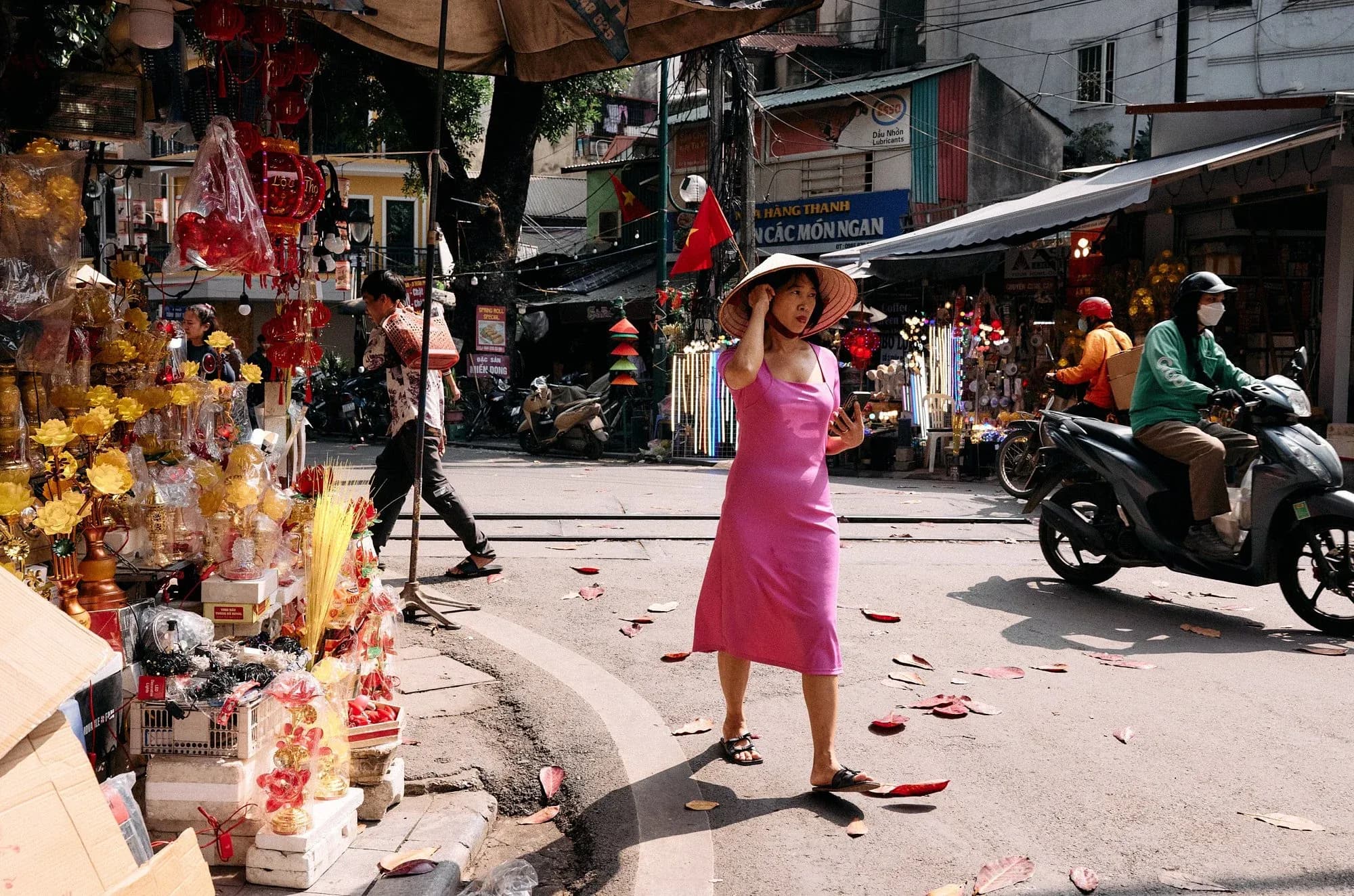
Vietnam remains one of Southeast Asia’s most loved travel destinations. From the limestone cliffs of Halong Bay to the lantern-lit streets of Hoi An and the buzzing food culture of Ho Chi Minh City, the country offers unforgettable experiences at great value.
However, like many popular tourist destinations, Vietnam also has its share of scams that target visitors-especially first-time travelers. Most scams are non-violent but can cost you hundreds of dollars, waste your time, or ruin your trip if you are not prepared.
Understanding these common tricks before you arrive can help you travel safely and confidently. Here are the top 10 Vietnam scams tourists still fall for in 2026 and how to avoid them.
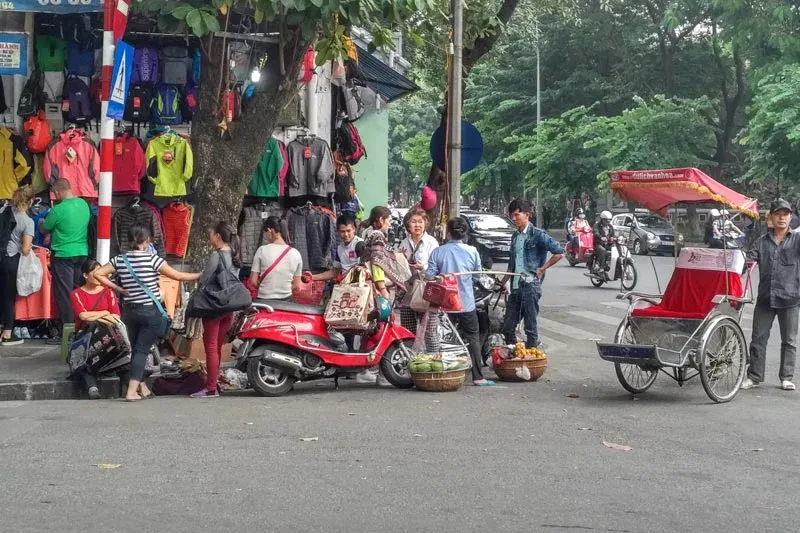
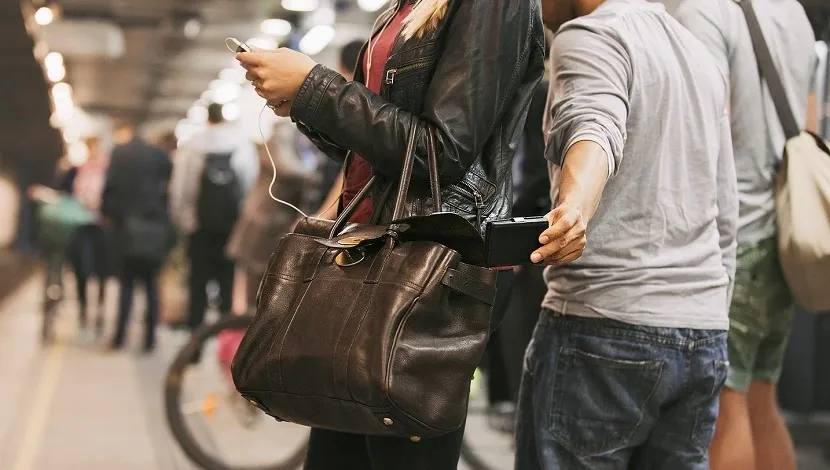
Pickpocketing remains one of the most common crimes against tourists in Vietnam, especially in major cities like Hanoi, Ho Chi Minh City, Da Nang, and Nha Trang.
Crowded markets, night streets, festivals, and public transport are the most common locations. Thieves often work in teams—one distracts you while another steals your phone, wallet, or bag.
How to avoid it:
Keep your phone and wallet in zipped or front pockets. Avoid wearing expensive jewelry. Use anti-theft backpacks or money belts, and never keep all your valuables in one place.
In busy tourist spots, street vendors may invite you to take photos with their fruit baskets, bicycles, or animals. Once the photo is taken, they demand money-often aggressively.
Fake beggars and children selling items may also pressure tourists emotionally to give money.
How to avoid it:
Politely decline any photo offers and keep walking. Never allow someone to place an item in your hands unless you intend to buy it.
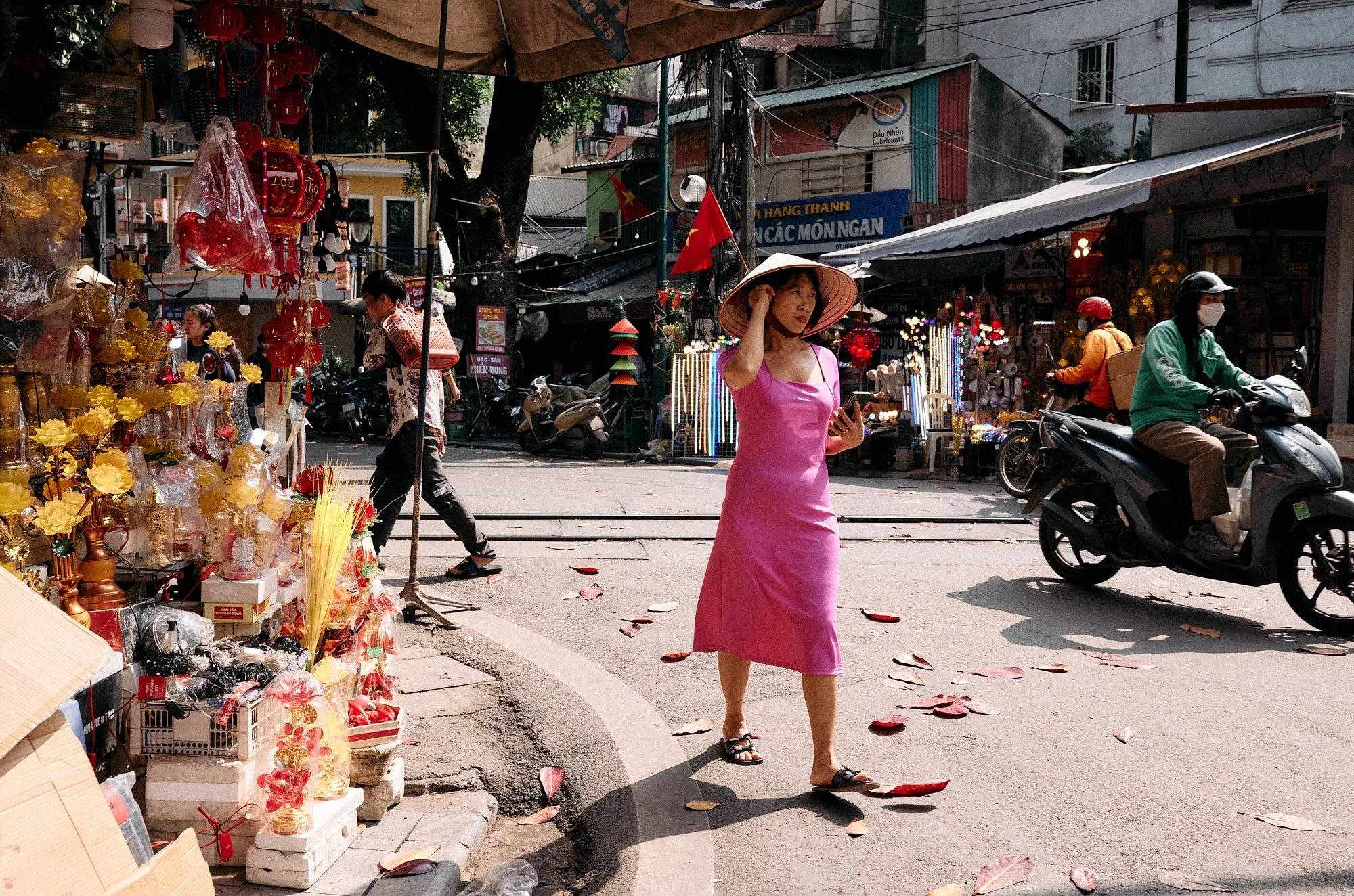
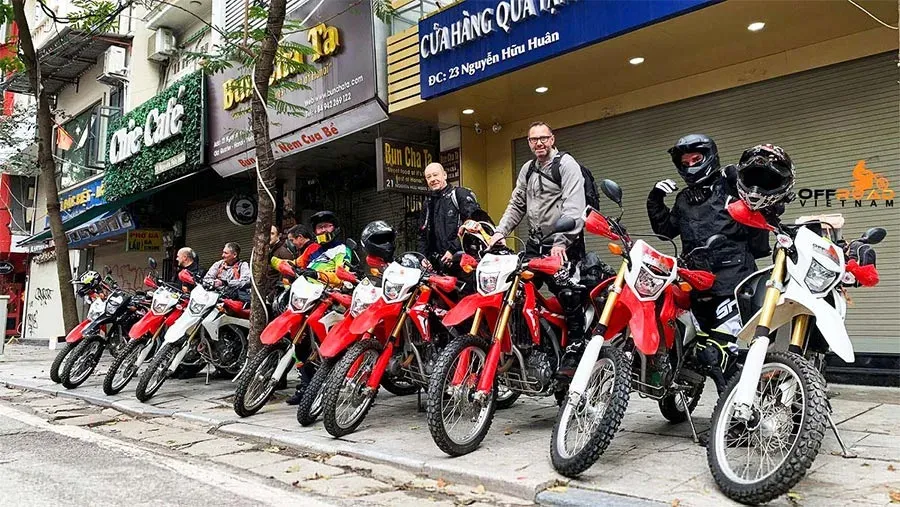
Motorbikes are popular in Vietnam, but rental scams are very common. Some shops give bikes with hidden damage and later blame tourists for it. In worse cases, bikes are reported “stolen” by the owner to force compensation.
Also, riding without a valid license can lead to heavy police fines.
How to avoid it:
Rent only from hotels or trusted rental shops. Take photos and videos of the bike before riding. Always carry a valid international driving permit.
Some drivers use cars with fake logos that look like real taxi companies. These taxis often have no meters or manipulated ones and may charge extremely high fares.
In rare cases, tourists are even taken to isolated areas and threatened for money.
How to avoid it:
Use ride-hailing apps like Grab or book taxis through hotels. Avoid taking random taxis from the street.
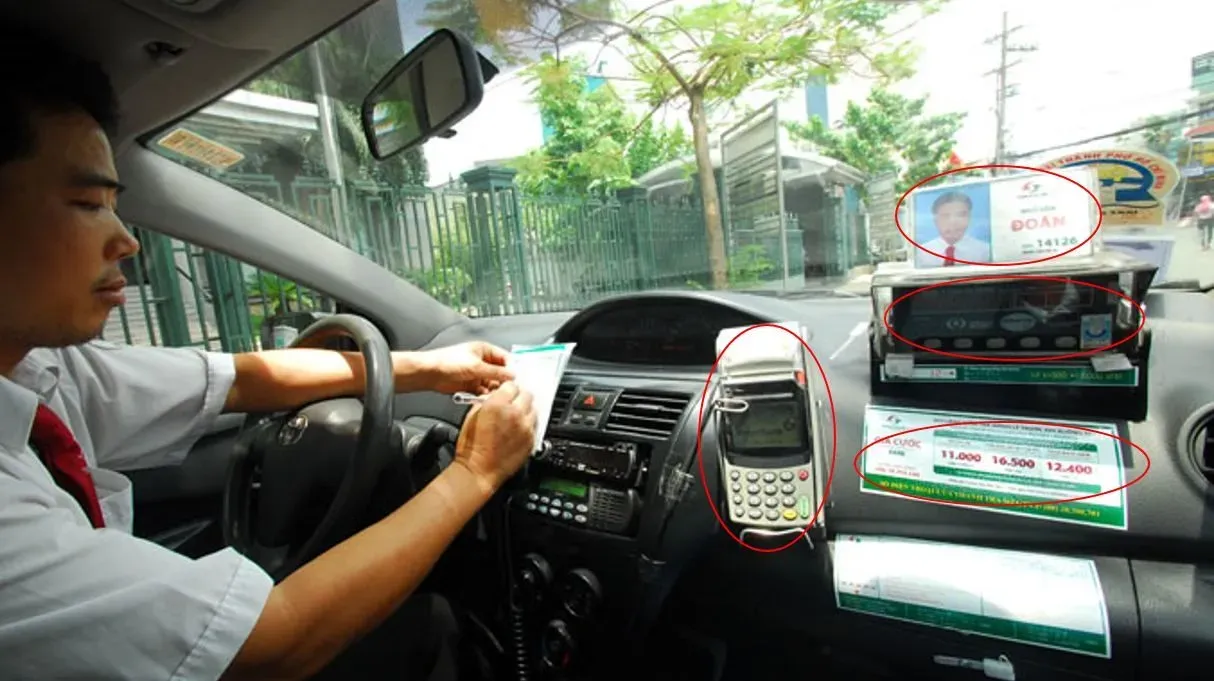
Even in real taxis, some drivers use modified meters that increase fares faster than normal or take longer routes.
How to avoid it:
Use GPS on your phone to track your route. Ask for the estimated fare before starting and avoid taxis without a working meter.
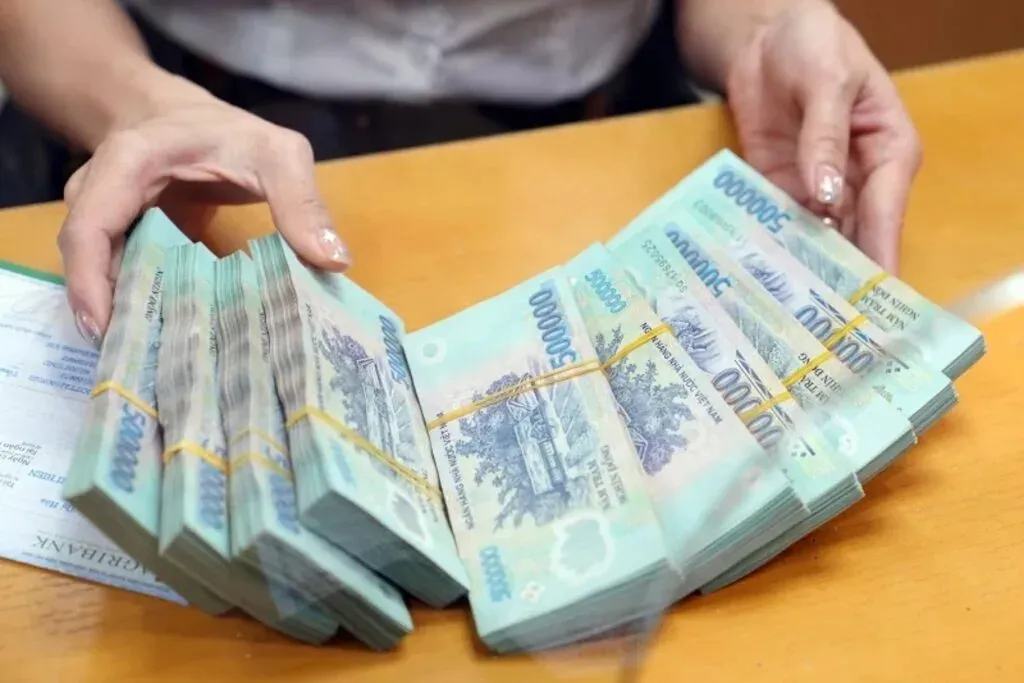
Vietnamese currency (VND) uses large numbers, which can confuse tourists. Some vendors give incorrect change or charge much more than agreed.
How to avoid it:
Learn the approximate exchange rate. Count your money carefully and confirm prices before paying.
Some restaurants-especially near tourist attractions-don’t display menus with prices. Tourists are later shocked with inflated bills.
How to avoid it:
Always ask for a menu with prices before ordering. Use Google Maps or food apps to find reliable restaurants.
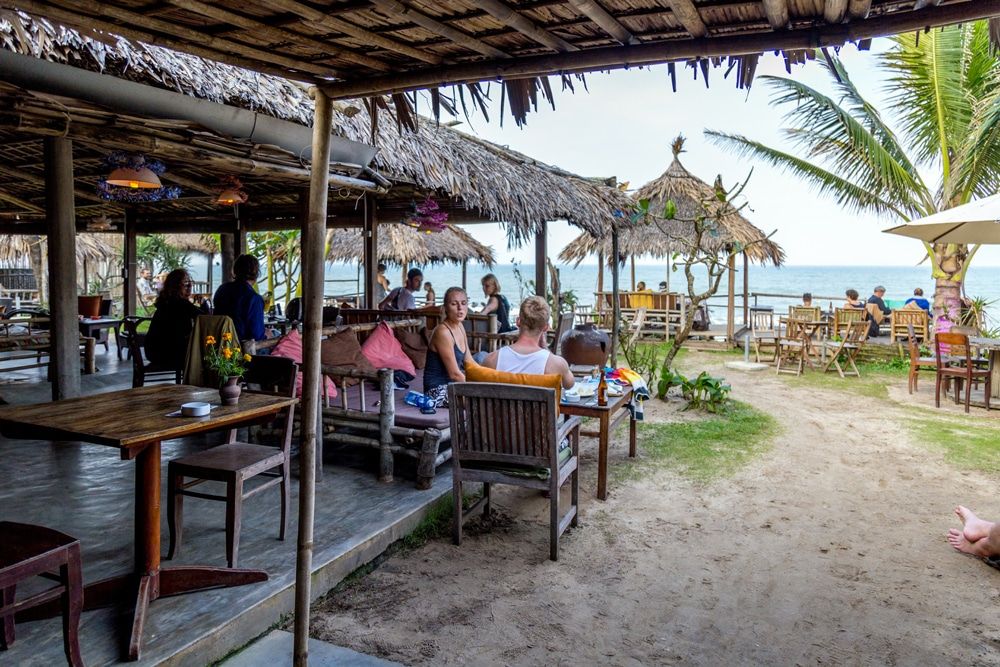
Vietnam has extremely strict drug laws. Some criminals try to trap tourists by offering drugs and then involving fake police for bribes.
How to avoid it:
Never accept drugs from anyone. If approached, walk away immediately.

Some hotels advertise cheap rooms online but claim they are unavailable when you arrive, forcing you to pay more.
How to avoid it:
Book only through trusted platforms like Booking.com, Agoda, or well-known hotel websites.
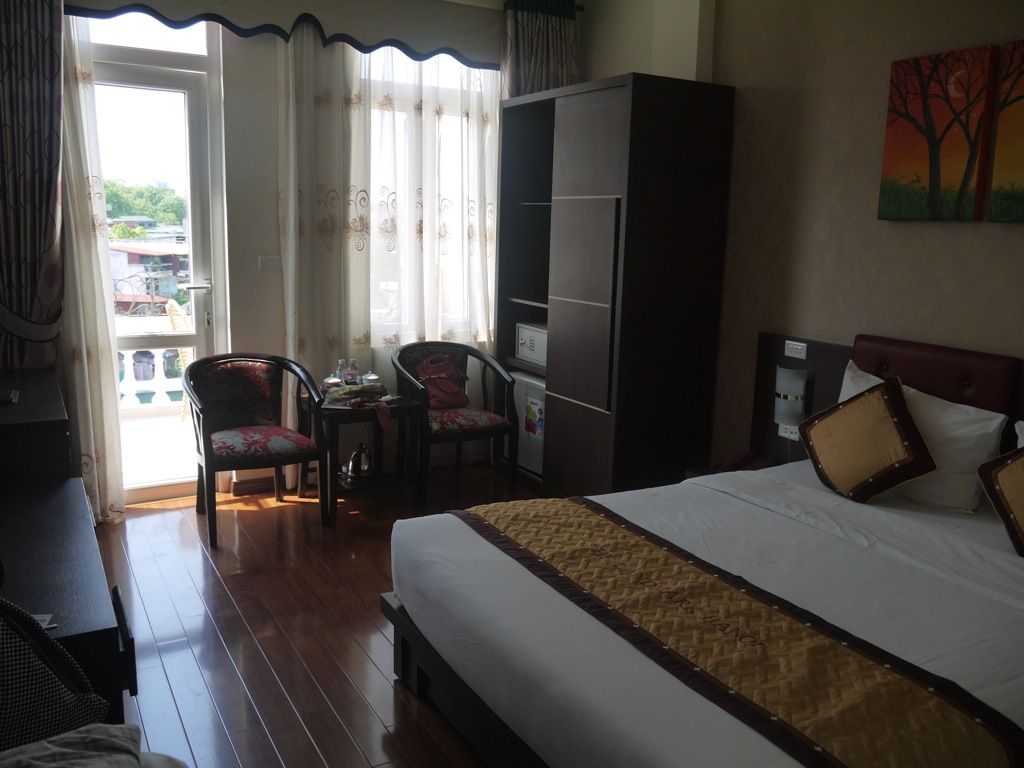
Scammers create fake tour websites offering very cheap packages. Once you pay, the company disappears.
How to avoid it:
Book tours only through reputable travel agencies or hotel desks. Check online reviews before paying.
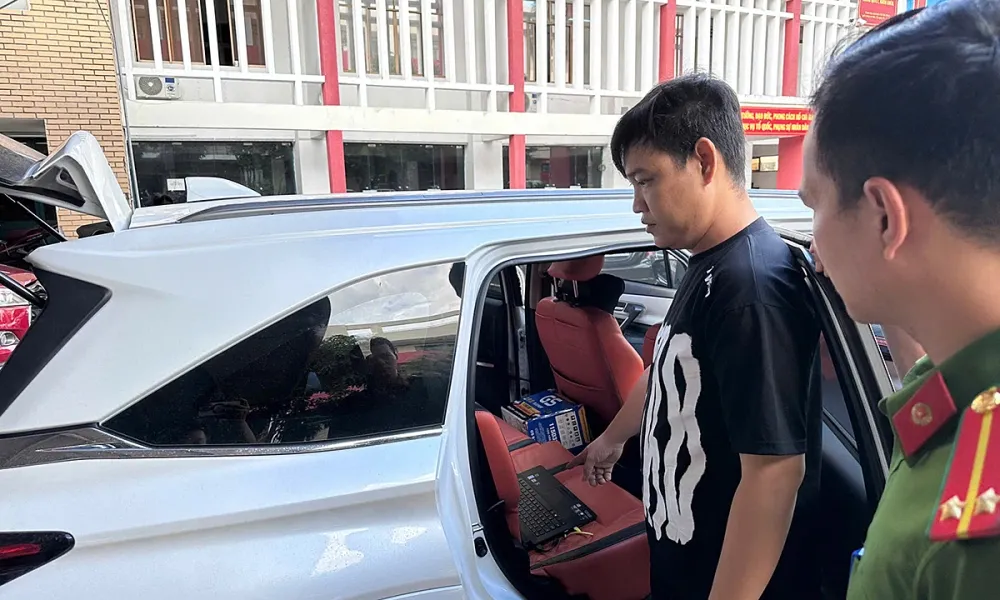
Vietnam is a beautiful and safe country for travelers, but awareness is your best protection. Most scams rely on confusion, pressure, or lack of information. By staying alert, using trusted services, and planning ahead, you can avoid these traps and enjoy your trip with confidence.
Share it with your friends
Join India's fastest-growing travel platform and expand your business across South-East Asia
Access to thousands of customers actively looking for tours
Dedicated account manager and marketing assistance
Showcase your packages to travelers from all over India
Trusted by 500+ travel agents across India