A peaceful Himalayan escape awaits—uncover Bhutan’s top places, traditions, travel routes, and must-know information
Hidden among the towering Himalayan ranges lies a kingdom where peace reigns, nature is sacred, and ancient traditions are still a way of life. Welcome to Bhutan, a land of dramatic mountains, deep valleys, sacred monasteries, and an unmistakable sense of calmness. Whether you’re seeking thrilling treks, serene landscapes, or a journey into spirituality, Bhutan promises a travel experience filled with wonder and discovery.
And the best part?
For Indian citizens - traveling to Bhutan is simple, accessible, and stress-free!
Because Bhutan is not just a destination -
It’s an experience of mindfulness, beauty, and pure Himalayan magic.
From the snow-capped Gangkar Puensum to historic dzongs, to vibrant festivals filled with dances and drums, every moment in Bhutan feels enchanting.

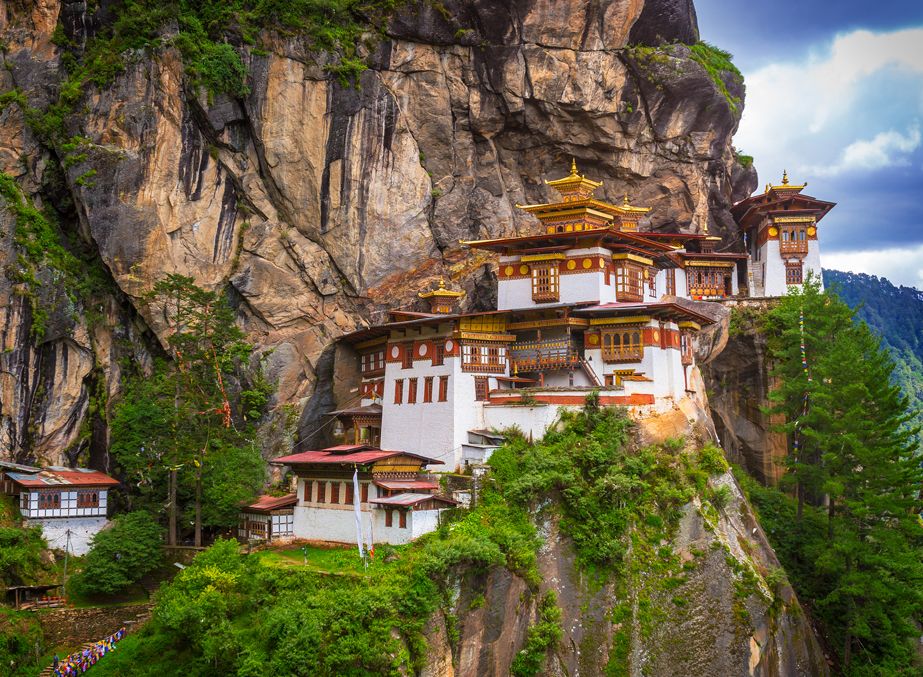
One of Bhutan’s most iconic sights - a sacred monastery perched dramatically on a cliff 900m above Paro Valley, reachable only by a scenic trek. Steeped in legend and spiritual energy, this breathtaking site offers awe-inspiring views and a profound sense of peace, making it the top pilgrimage and must-visit attraction in Bhutan.
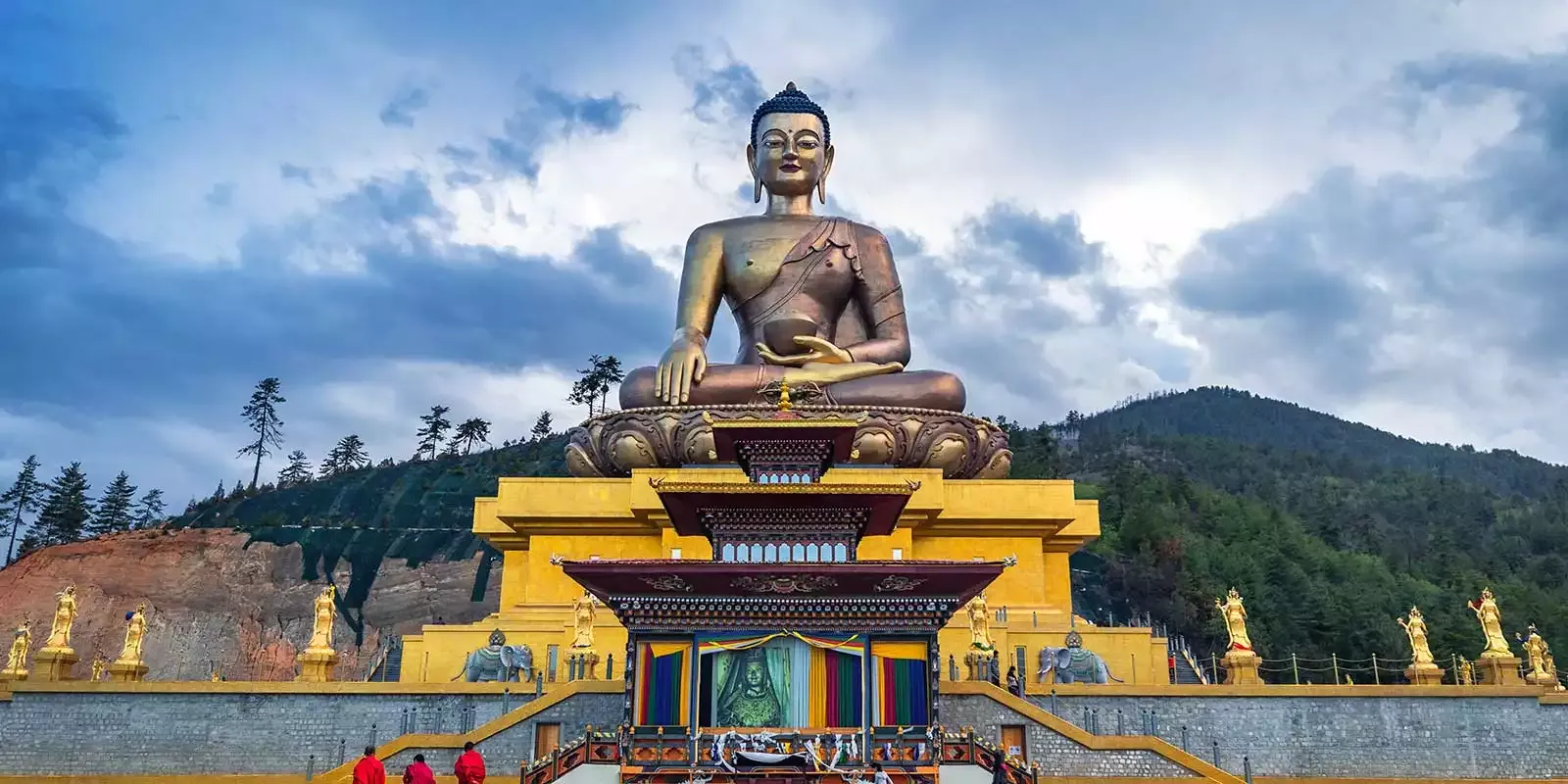
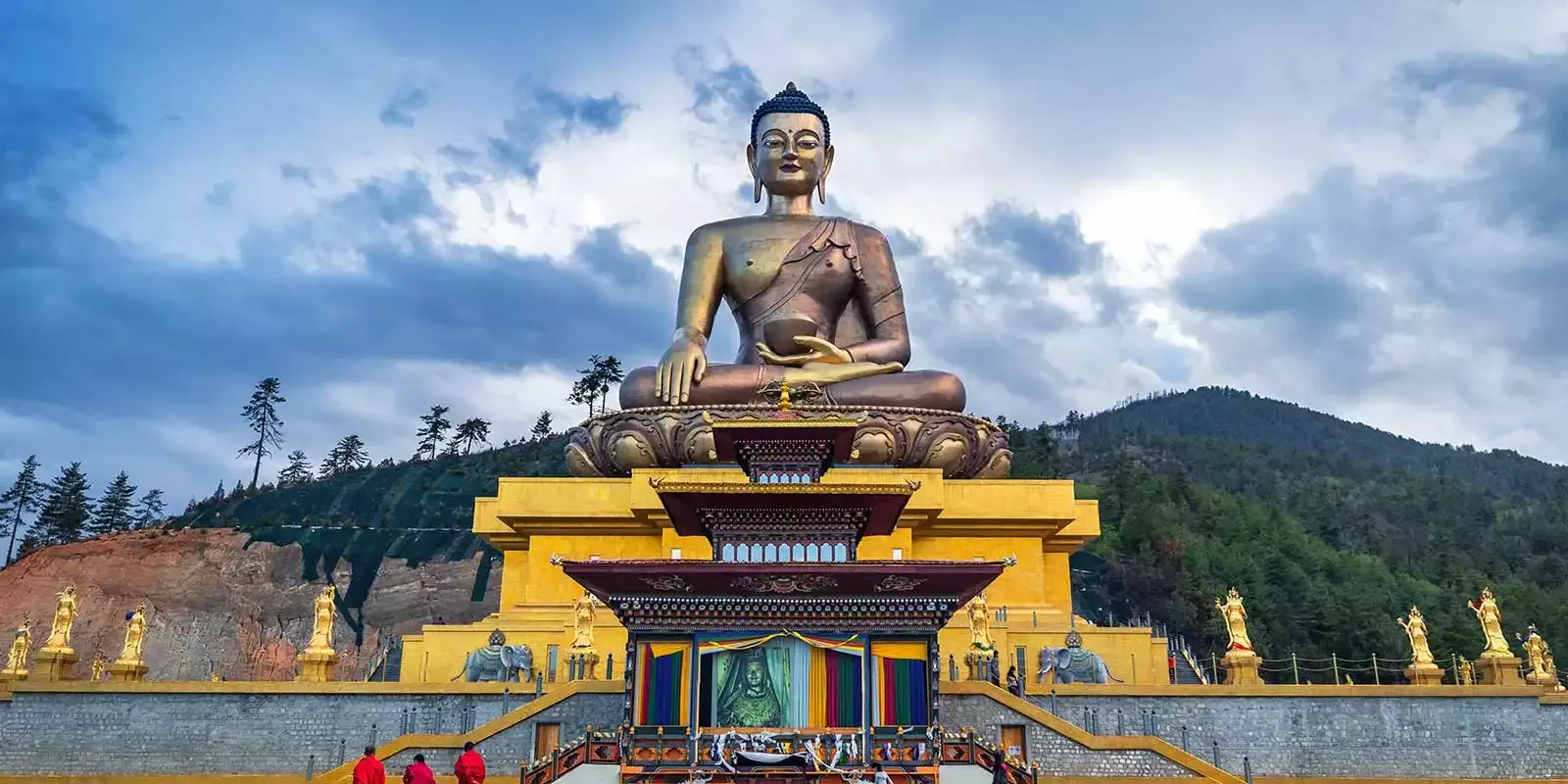
A massive golden statue overlooking the entire valley - peaceful, majestic, and especially breathtaking at sunset. Standing atop Kuenselphodrang, this towering Buddha radiates serenity and is one of Bhutan’s most iconic symbols of faith and harmony, attracting visitors from around the world.
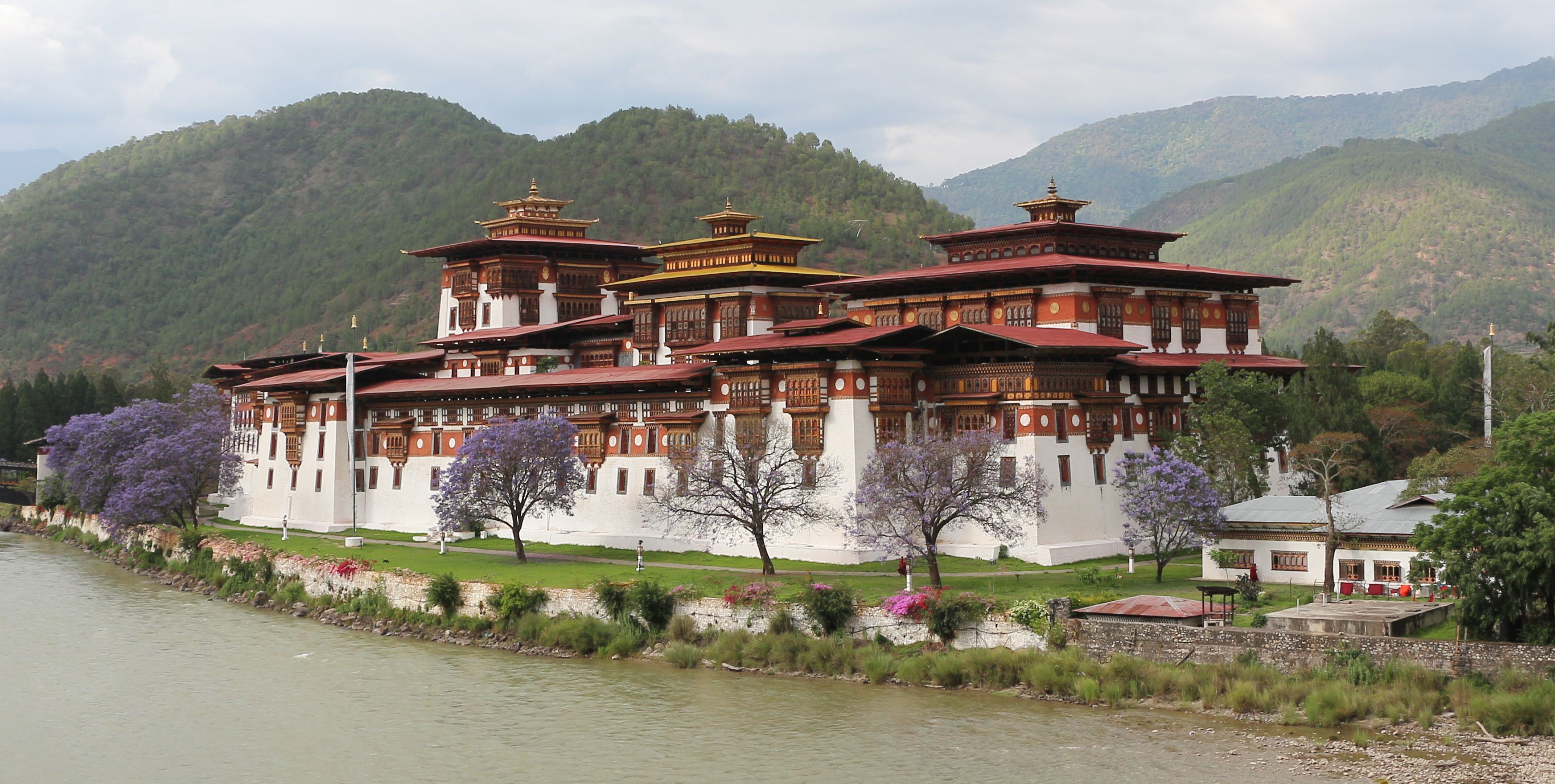
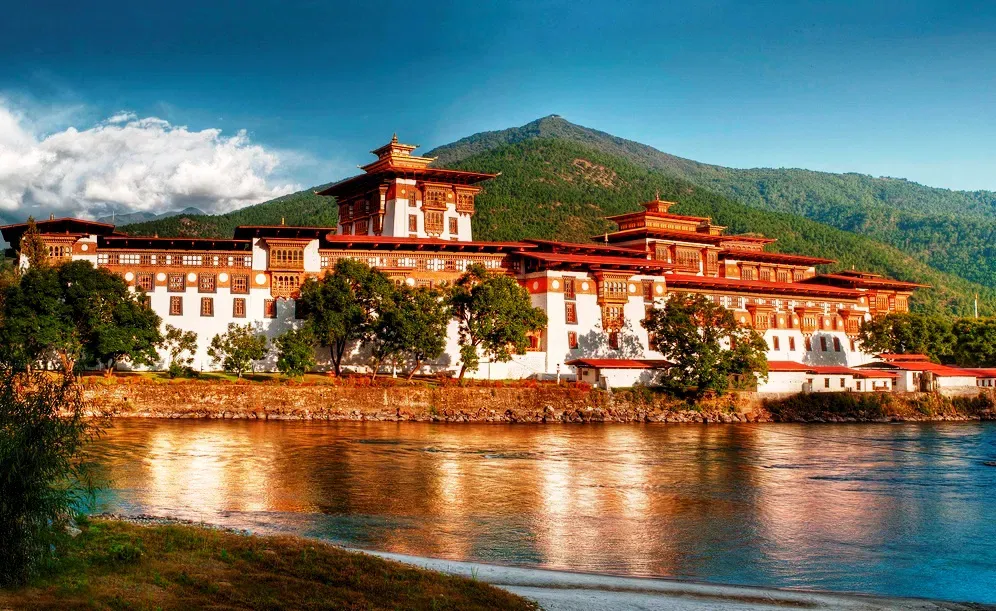
Bhutan’s most beautiful fortress-monastery, set at the meeting point of two sacred rivers. Known for its grand architecture, intricate woodwork, and stunning riverside views, it is a historic seat of Bhutanese royalty and remains one of the nation’s most treasured cultural landmarks.
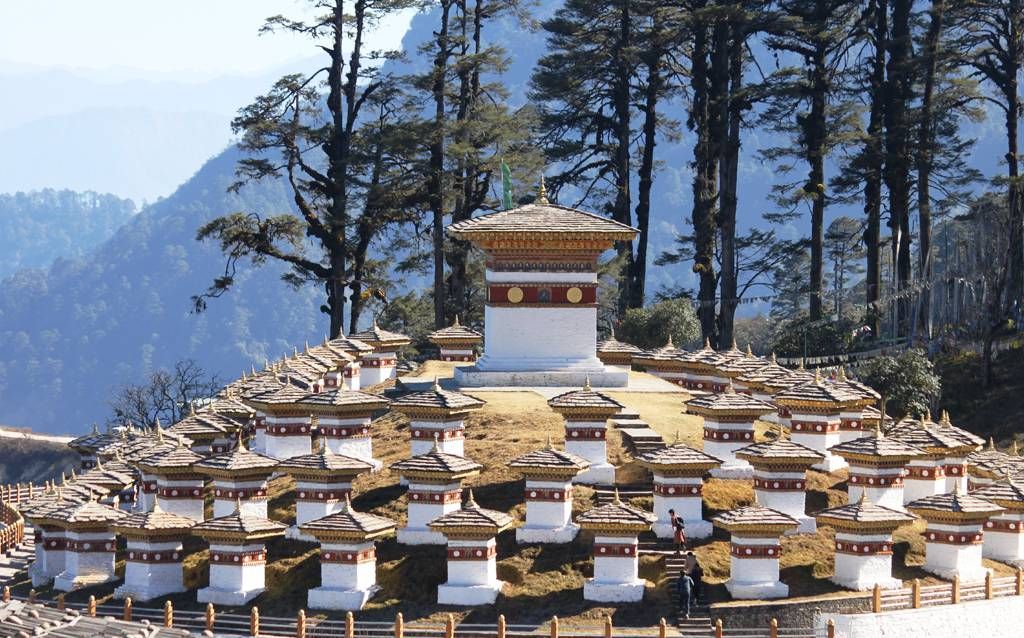
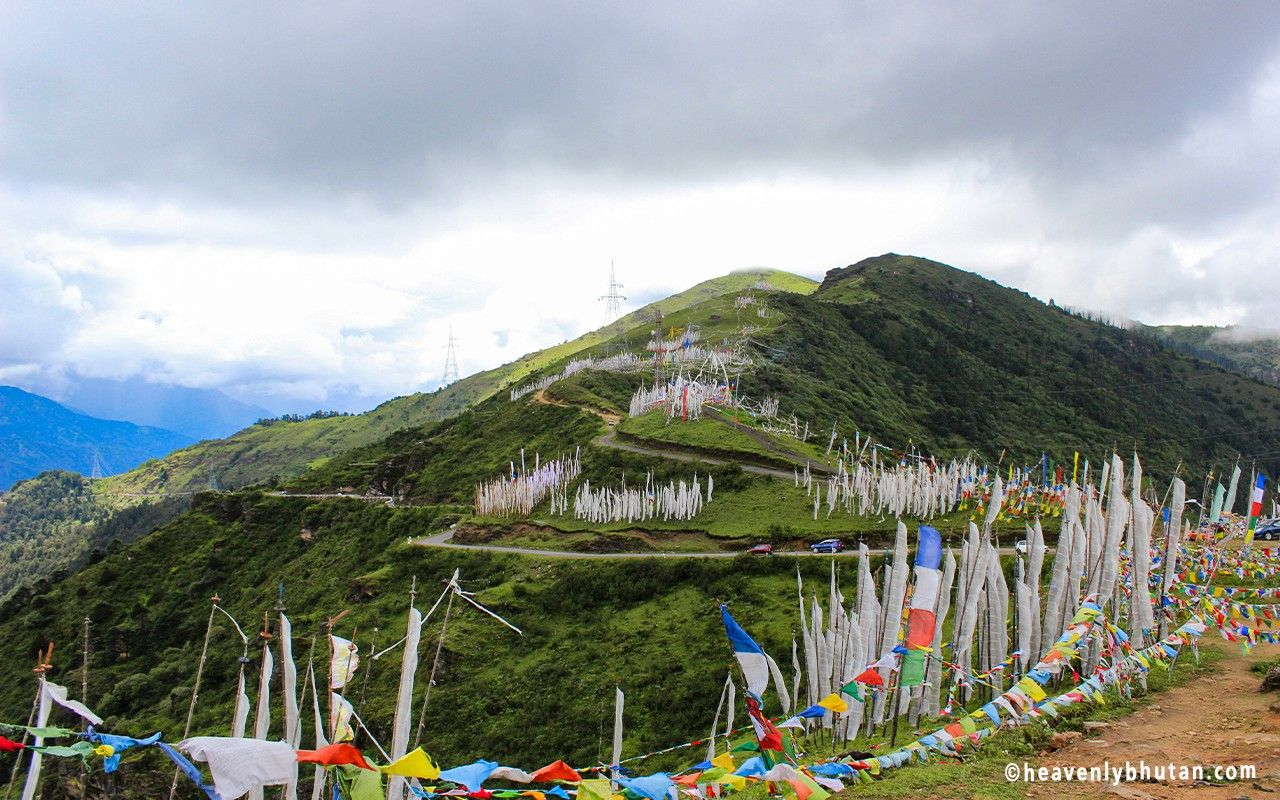
A scenic mountain pass adorned with 108 memorial chortens, offering sweeping Himalayan views. Wrapped in cool mountain air and prayer flags fluttering in the wind, it’s one of Bhutan’s most peaceful and picturesque stops en route to Punakha.
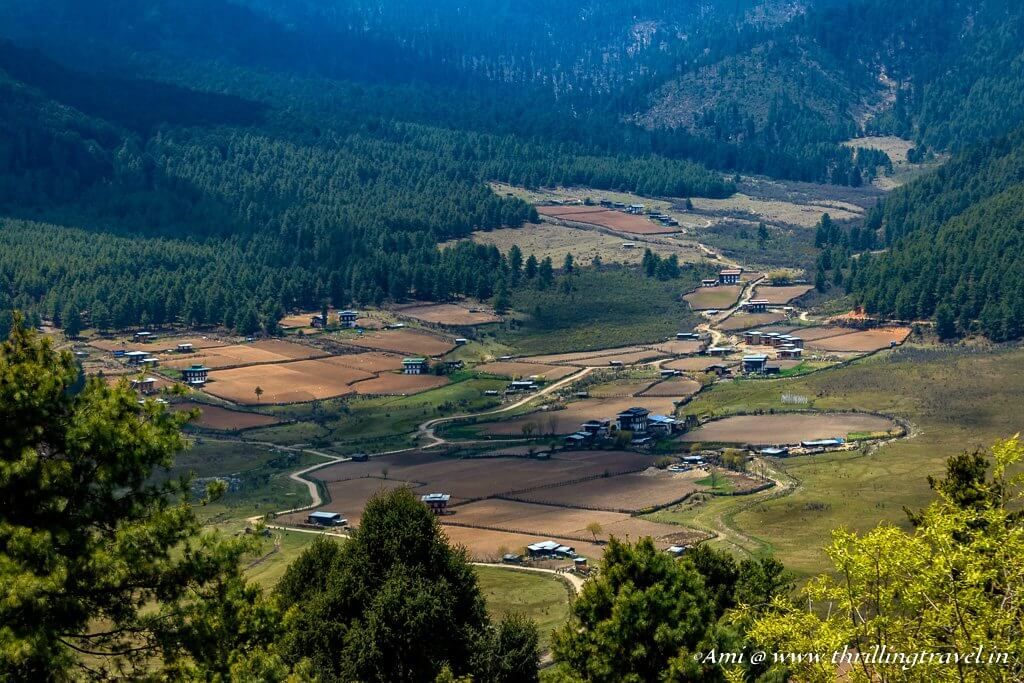
A vast glacial valley known for its untouched natural beauty and the graceful black-necked cranes that migrate here each winter. Serene, scenic, and rich in traditional village life, it is one of Bhutan’s most tranquil and enchanting landscapes.
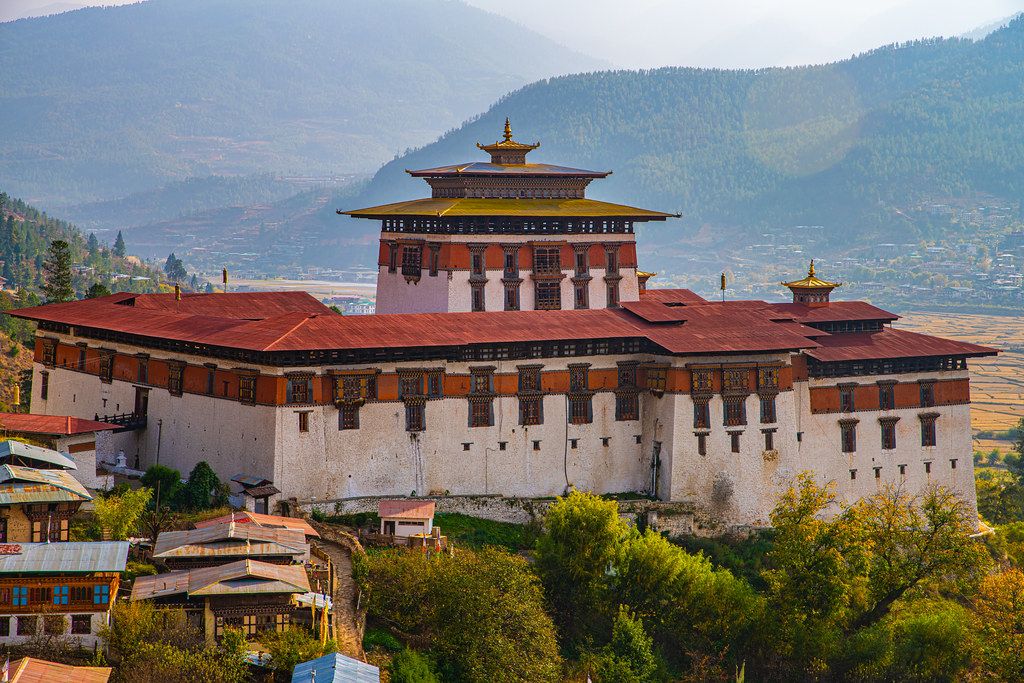
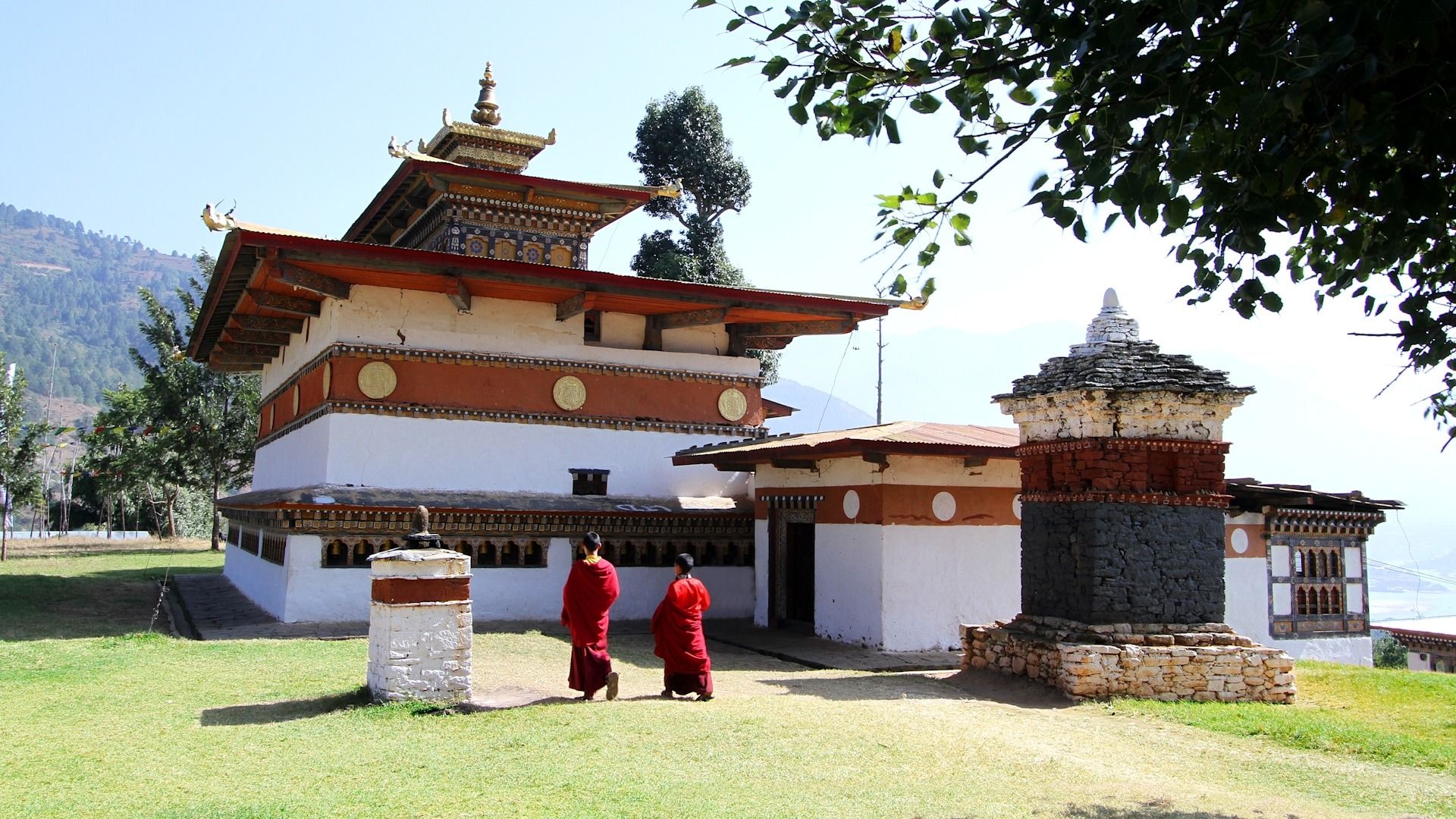
An ancient monastery-fortress showcasing classic Bhutanese architecture, sacred art, and centuries of history. Overlooking the Paro River, it remains one of the region’s most culturally significant and visually striking landmarks.
The highest motorable road point in Bhutan - a spectacular viewpoint ideal for photography lovers. From fluttering prayer flags to sweeping views of snow-capped peaks, it offers a thrilling and scenic highlight between Paro and Haa Valley.
A lively marketplace filled with souvenirs, handicrafts, handmade textiles, spices, and local produce. Wander through colorful stalls, meet friendly vendors, and discover authentic Bhutanese artistry - the perfect spot to shop, explore, and experience daily life in the capital.
Home to Bhutan’s unique national animal - the takin. Nestled in a quiet forest area above Thimphu, this peaceful sanctuary lets visitors observe these rare Himalayan animals up close, while learning about their legend, conservation, and cultural importance in Bhutan.

A unique monastery famed for its powerful folklore, fertility blessings, and serene village surroundings. Dedicated to the “Divine Madman,” it attracts visitors seeking spiritual healing, good fortune, and a peaceful walk through traditional farmlands.
Bhutanese culture is deeply rooted in:
• Buddhism
The foundation of Bhutan’s identity, guiding daily life, festivals, art, and values. Monasteries, rituals, and ancient teachings shape the country’s emotional and spiritual rhythm.
• Spirituality
Beyond religion, spirituality in Bhutan focuses on inner peace, compassion, and balance. Prayer flags, meditation, and sacred sites reflect a life connected to higher purpose.
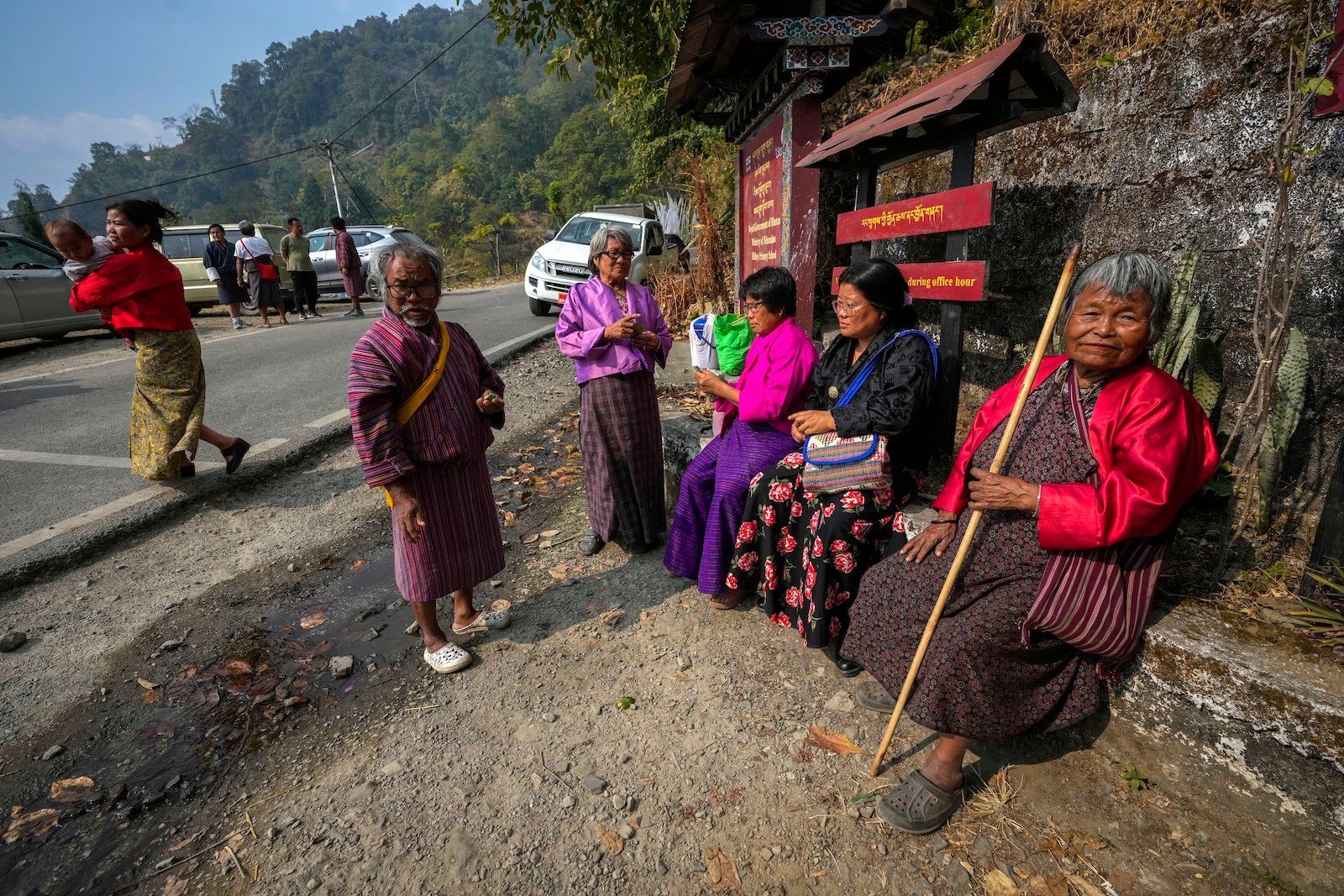
• Community Values
Bhutanese people believe in harmony, respect, and togetherness. Villages support one another, families stay closely united, and hospitality is offered with genuine warmth.
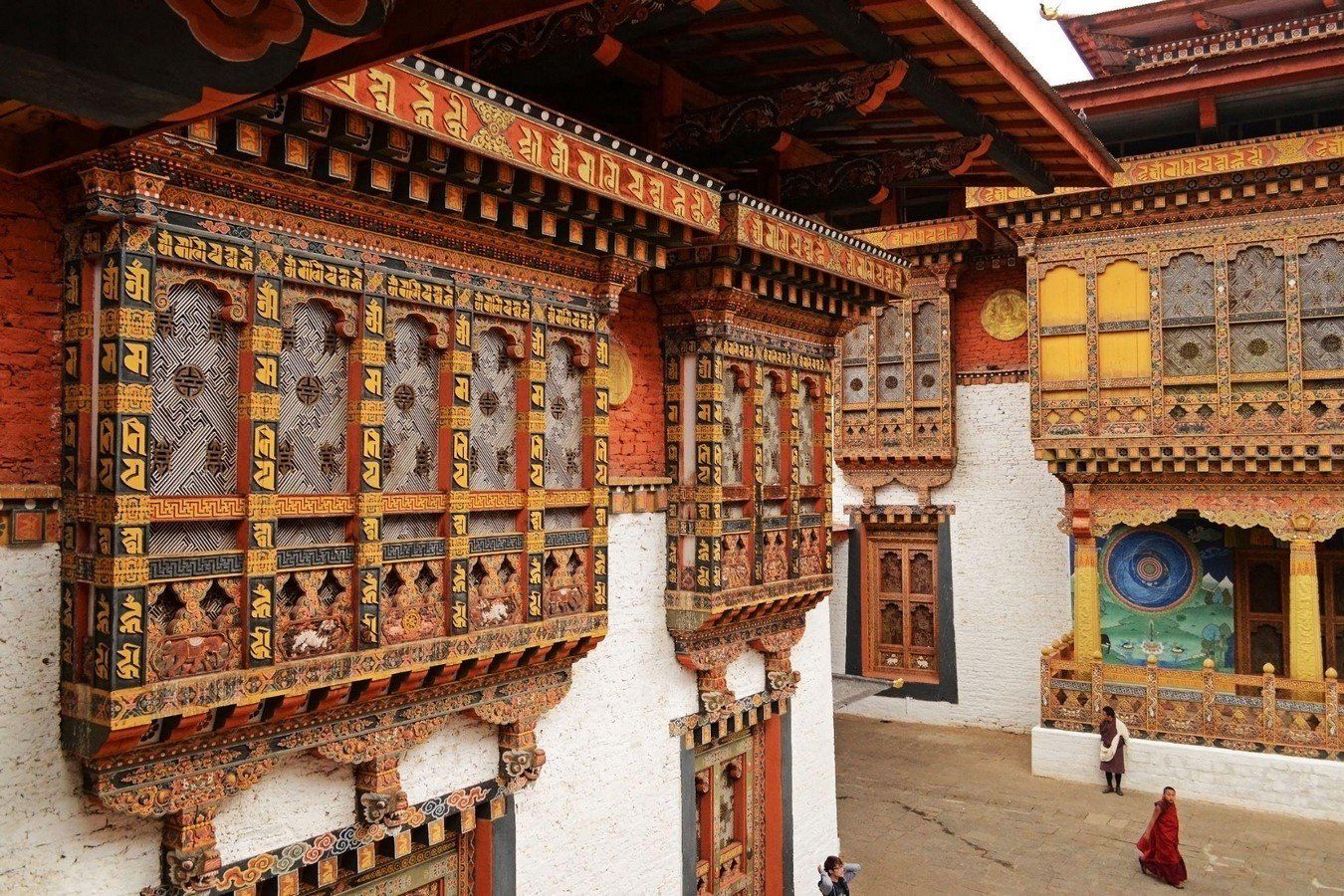
• Architecture Inspired by Nature
Traditional Bhutanese structures are built to blend with the mountains and forests. Dzongs, temples, and wooden homes feature detailed craftsmanship that reflects harmony between culture and the natural world.
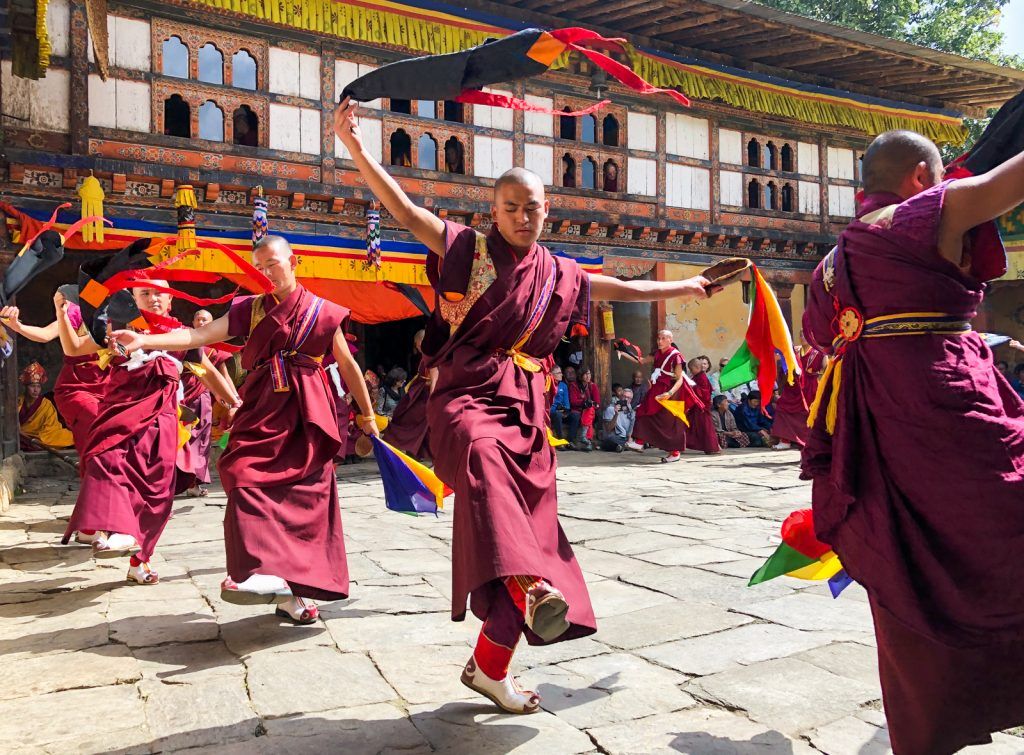
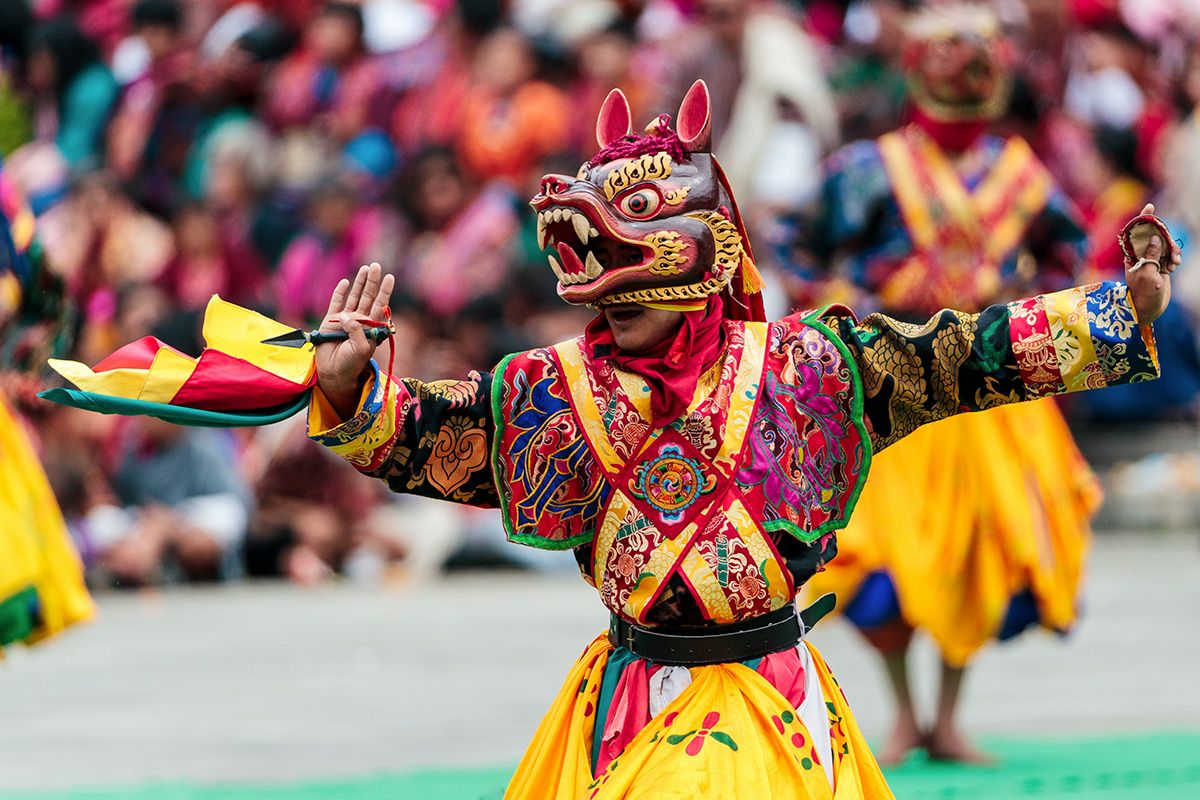
Mask Dances During Festivals
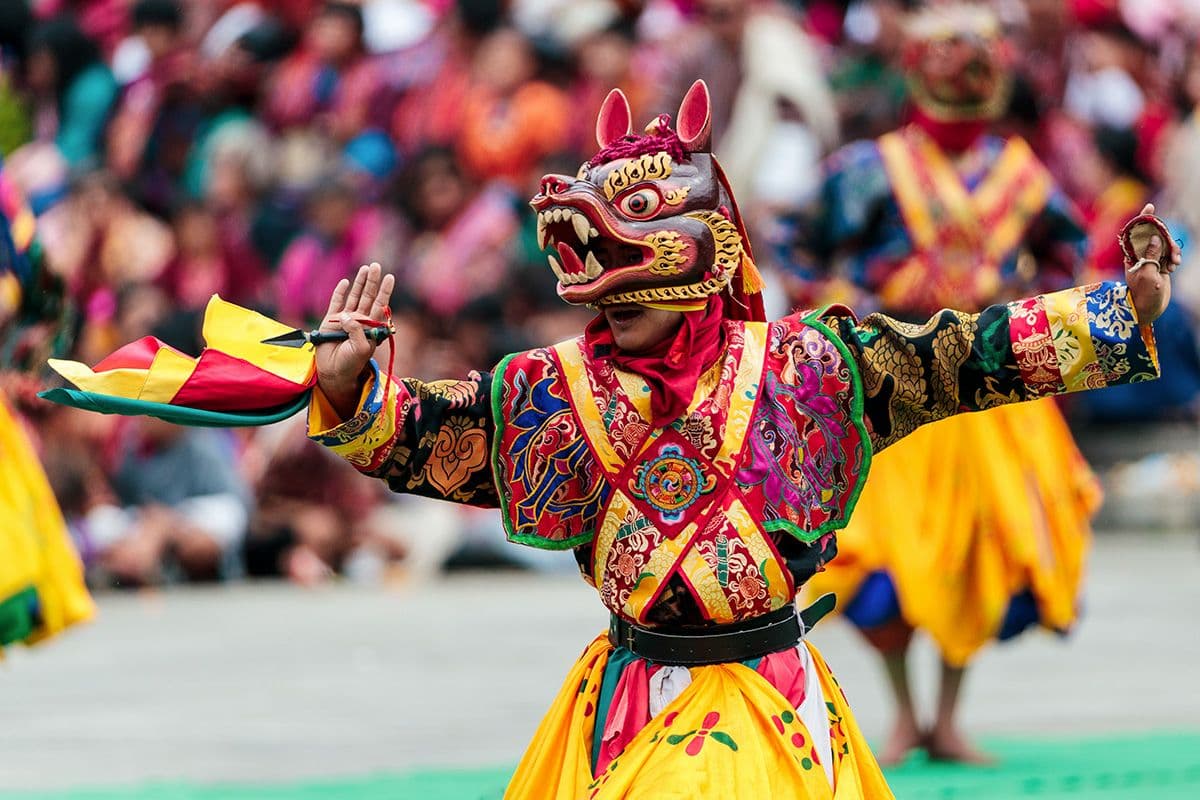
Mask dances, known as Cham, are performed during Bhutan’s Tshechu festivals by monks dressed in vibrant costumes and sacred masks. Each dance portrays Buddhist legends and ancient teachings, believed to cleanse negative energy, offer blessings, and protect the community. With traditional music echoing through the courtyards, these performances are a powerful celebration of faith, culture, and heritage — and one of Bhutan’s most unforgettable festival experiences.
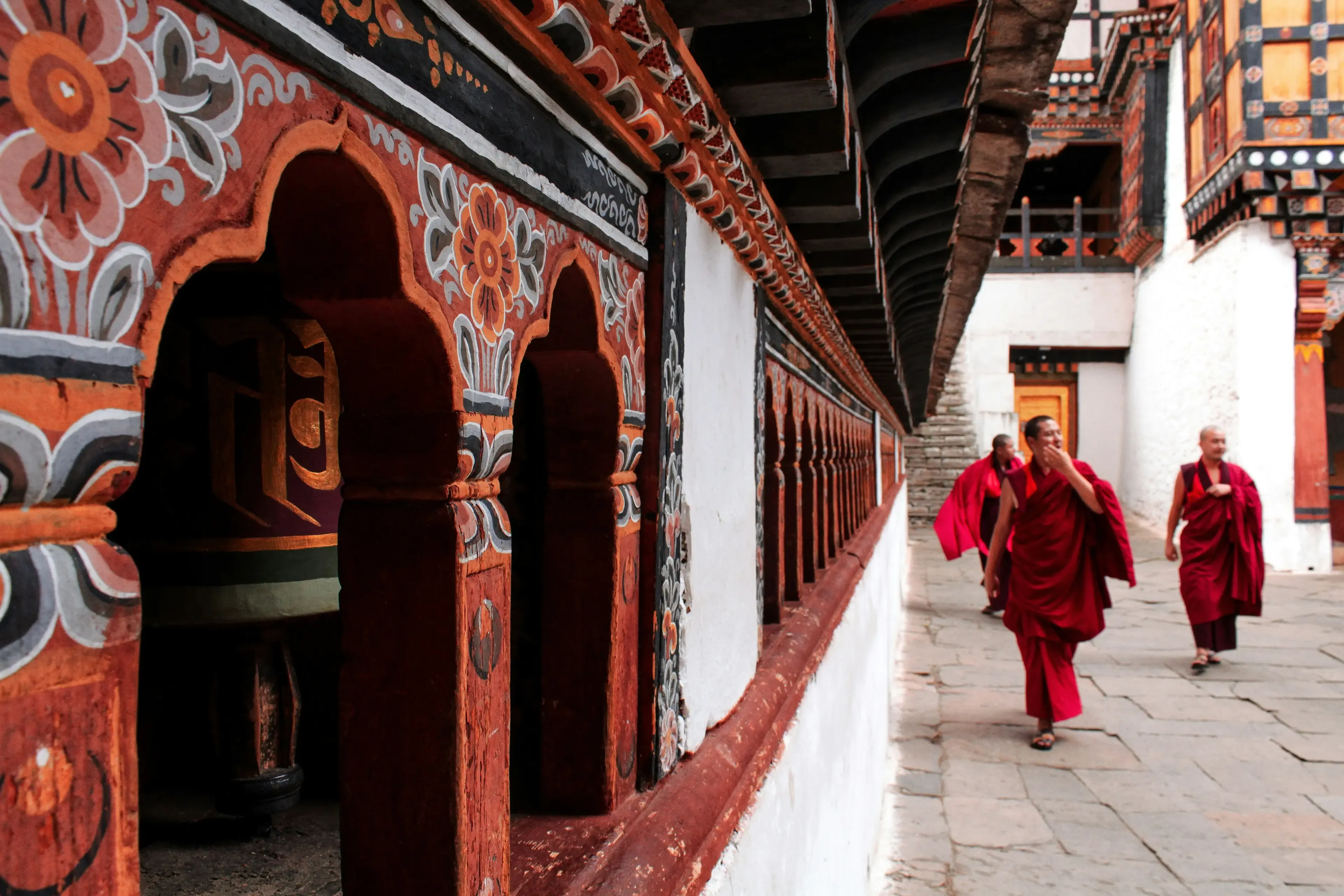
Monastery Rituals
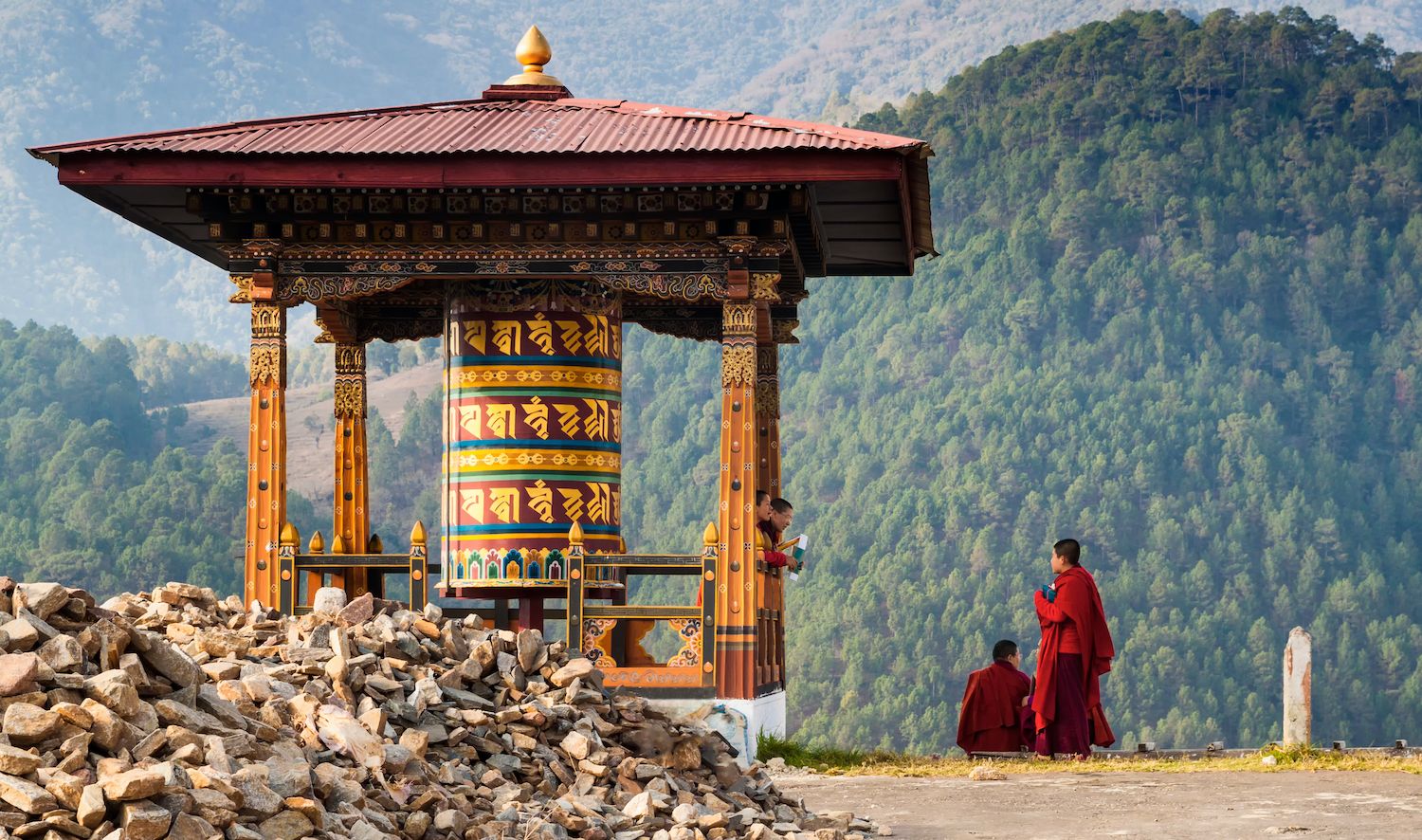
Monastery rituals in Bhutan are sacred daily practices led by monks, involving chanting, meditation, butter lamps, prayer wheels, and ancient scriptures. These ceremonies are believed to purify the mind, bring spiritual protection, and maintain harmony between people, nature, and the divine — offering visitors a rare glimpse into Bhutan’s living spiritual tradition.
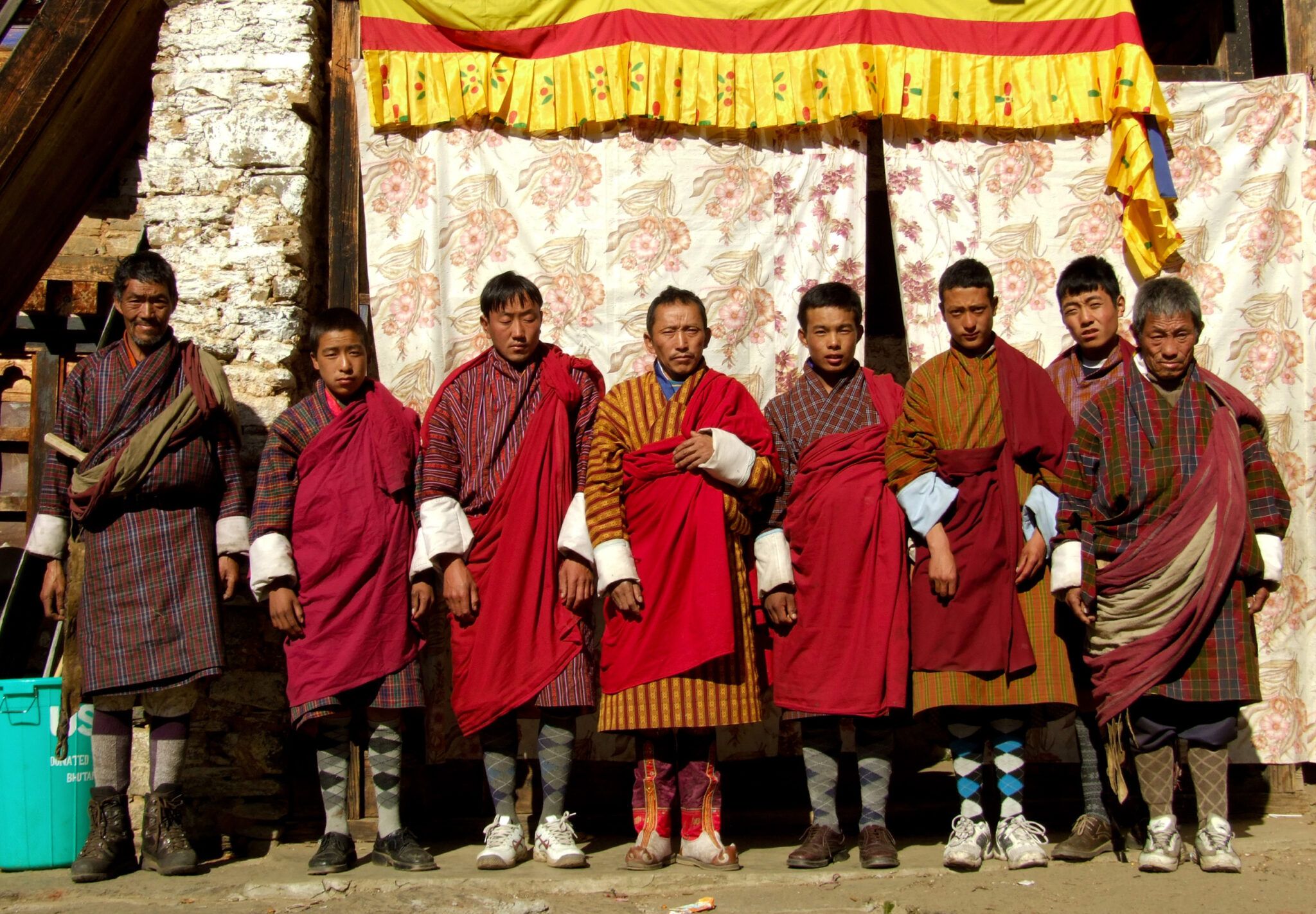
Traditional Bhutanese Dress (Kira & Gho)
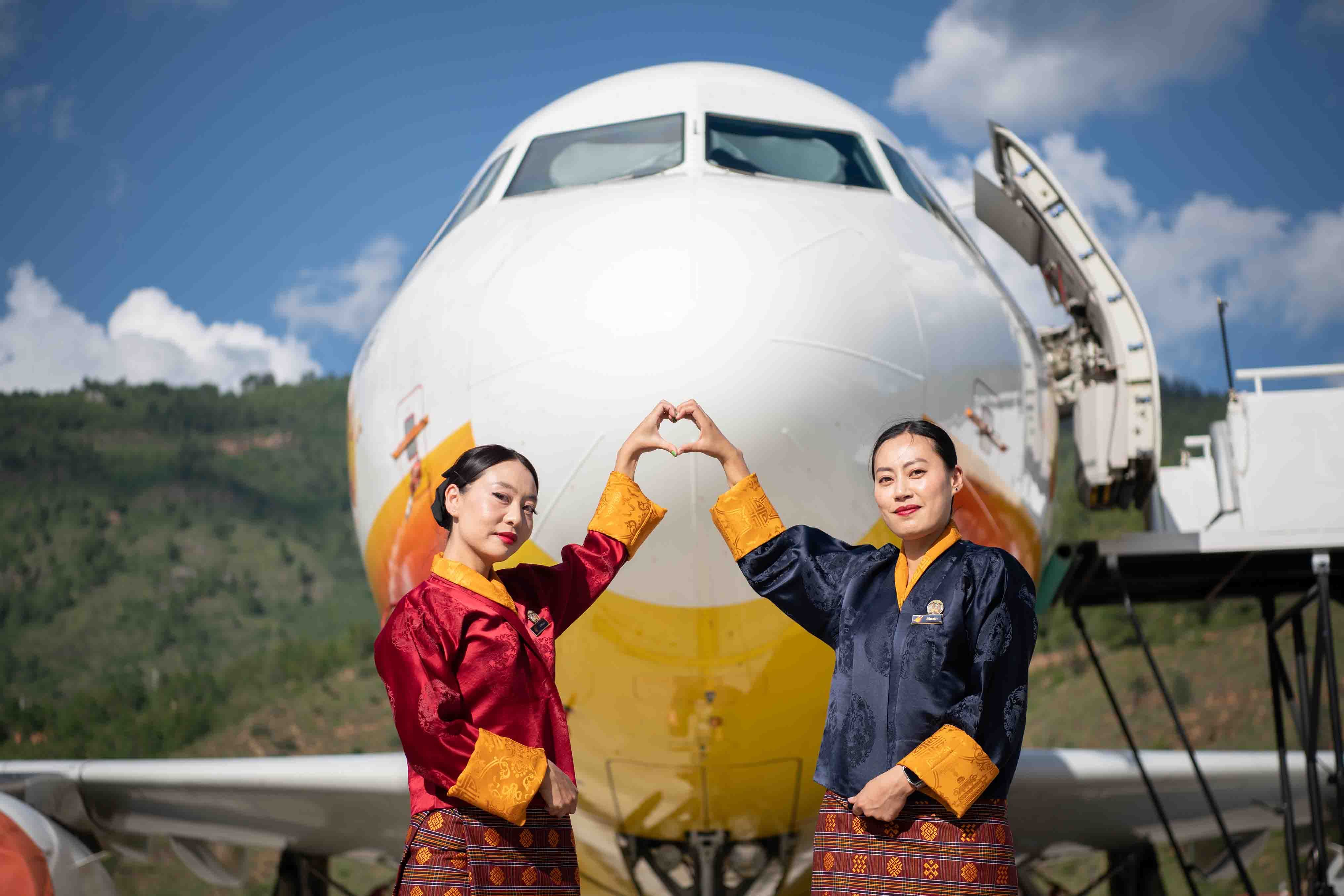
Traditional Bhutanese dress reflects the country’s identity and heritage, with women wearing the elegant Kira and men the dignified Gho. Worn daily and during festivals, these garments showcase intricate patterns, vibrant colors, and skilled weaving—symbolizing pride, culture, and unity across the nation.
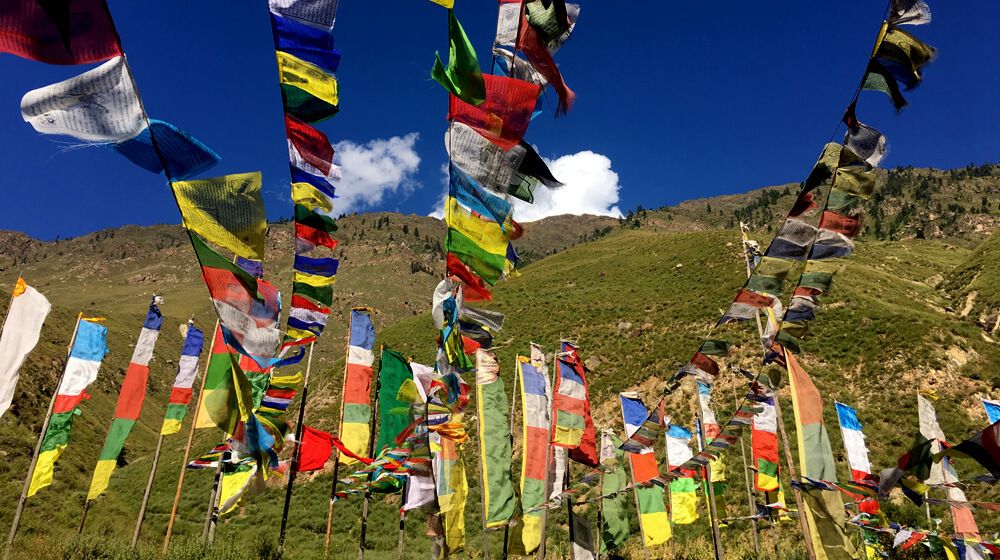
Prayer Flags on Mountain Passes
Colorful prayer flags flutter across Bhutan’s high mountain passes, carrying blessings of peace, compassion, and protection on the wind. Each flag is inscribed with sacred mantras, believed to spread positive energy to all beings, while adding a spiritual charm to the dramatic Himalayan landscapes.
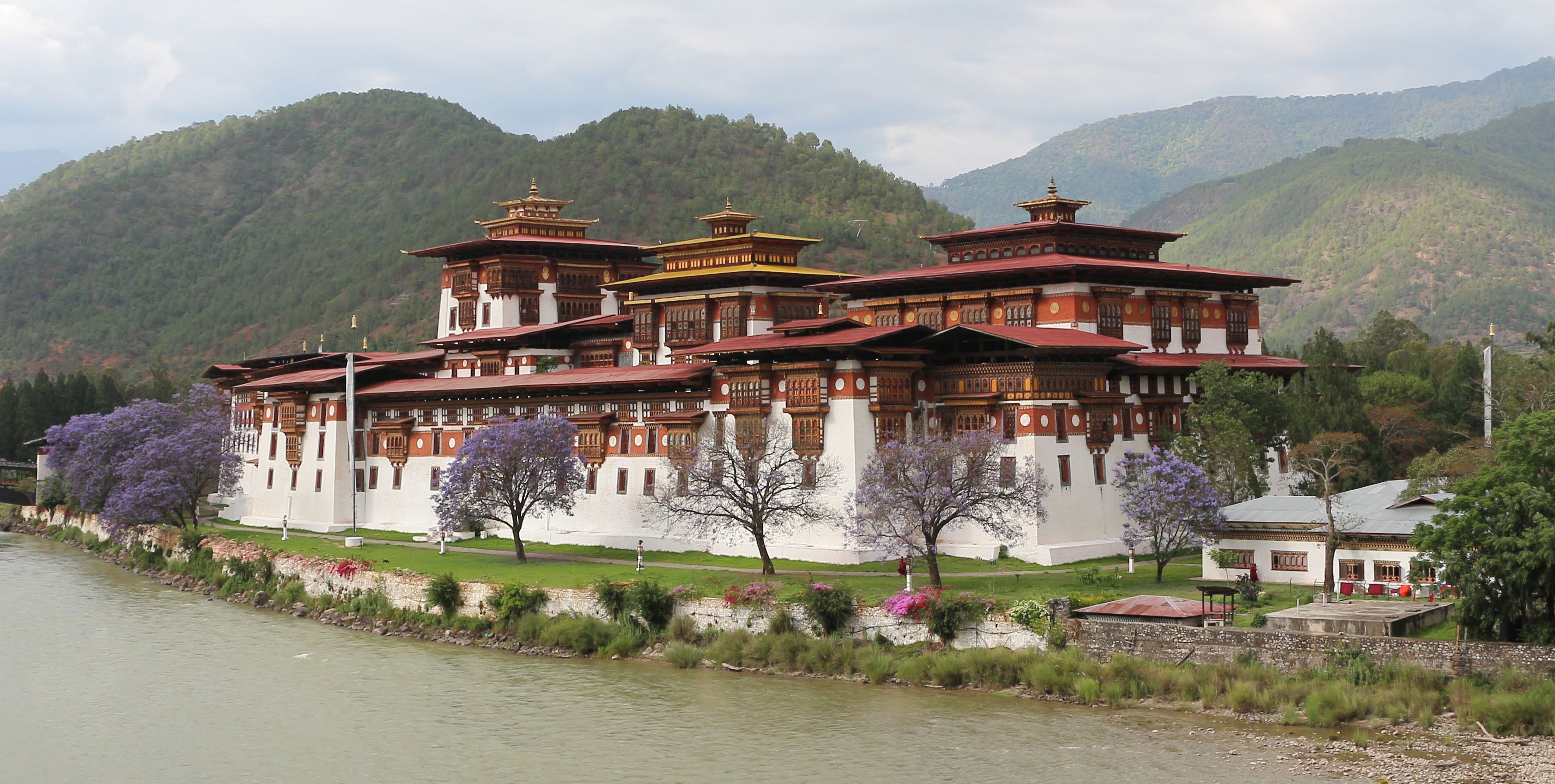
Sacred Dzongs & Monasteries
Bhutan’s ancient dzongs and monasteries stand as powerful symbols of faith, culture, and history. These grand fortress-temples and serene monastic complexes host rituals, festivals, and spiritual teachings, preserving centuries-old traditions while offering visitors a profound sense of peace and connection to Bhutan’s spiritual heritage.
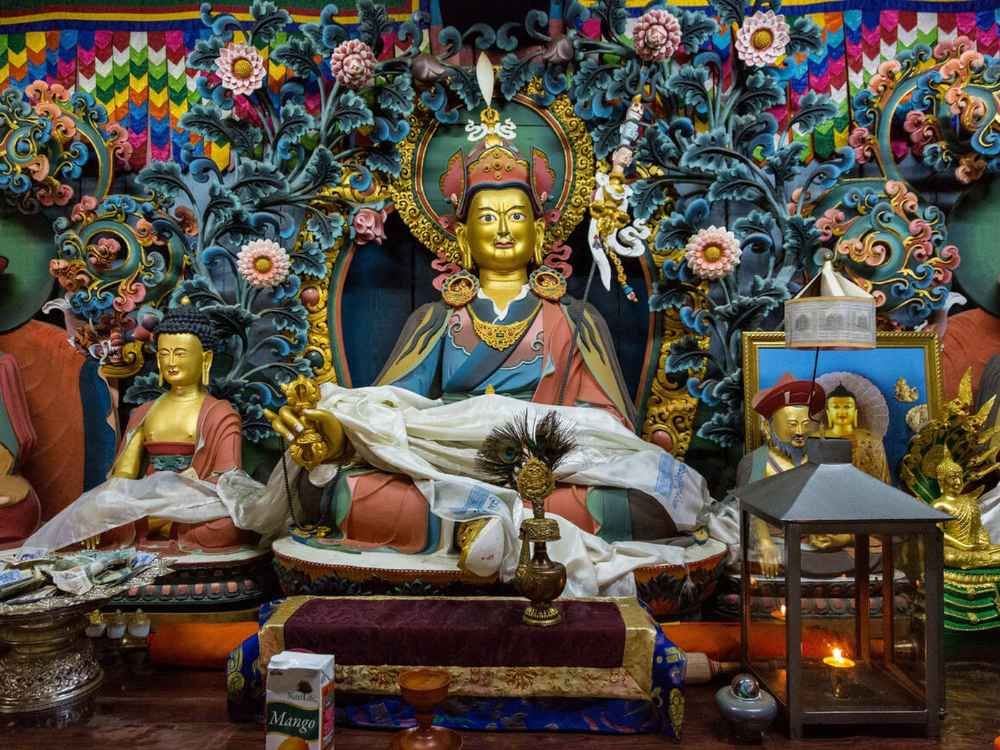
Unique Wooden Art & Temple Carvings
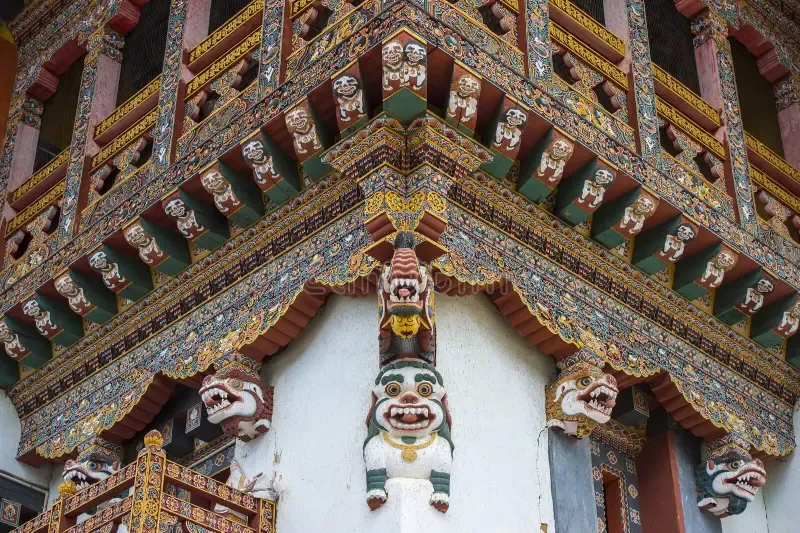
Bhutan’s traditional wooden art and temple carvings showcase exceptional craftsmanship, featuring intricate designs inspired by nature, mythology, and Buddhist symbolism. From ornate pillars to beautifully detailed windows, these artistic elements reflect the country’s deep cultural devotion and timeless aesthetic heritage.
Great news for Indian travellers — you do not need a visa to visit Bhutan!
Thanks to the special relationship between India and Bhutan, the entry process is simple and stress-free.
All you need is:
A valid Passport (minimum 6-month validity) OR
A Voter ID Card
(Optional but useful) Two passport-size photographs for permits
Once you arrive at Paro Airport or the border, you’ll be issued an Entry Permit.
This allows you to explore Bhutan’s major tourist hubs like Thimphu & Paro with ease.
No complicated paperwork — just pure Himalayan magic waiting for you!
While your Entry Permit covers Paro and Thimphu, there’s so much more to discover…
To visit places like:
Punakha Valley
Phobjikha Valley
Haa Valley
Bumthang
Wangdue
…you simply need a Route Permit.
This is issued in Thimphu, and the process is quick and straightforward.
Your travel company can arrange it for you, or you can get it directly from the Immigration Office on weekdays.
One small permit, endless new experiences!
Getting to Bhutan is surprisingly easy — you can fly or travel by road.
The fastest and most popular option.
Airlines operating flights to Paro:
Druk Air
Bhutan Airlines
From major Indian cities like:
Delhi, Kolkata, Guwahati, Bagdogra
And the landing into Paro valley?
Absolutely breathtaking — one of the world’s most scenic approaches.
A favourite for adventure lovers.
Enter Bhutan through Phuentsholing (West Bengal).
From Siliguri, you can reach the border by bus or taxi.
Once inside, your journey continues into Thimphu, Paro & beyond.
Whichever route you pick — the journey itself becomes part of the experience.

Costs depend on season & style.
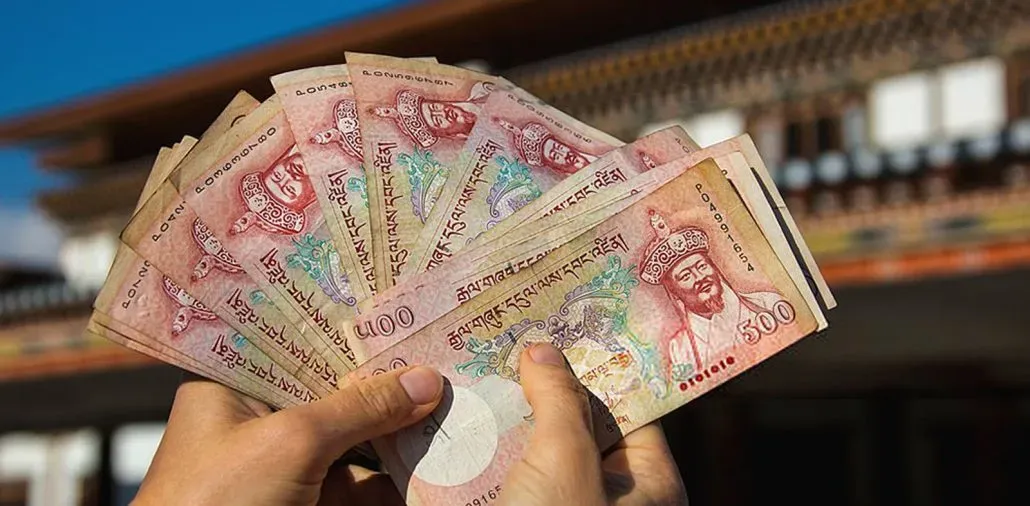
Indian tourists are required to pay an SDF of ₹1,200 per person, per day while staying in Bhutan.
This government fee supports Bhutan’s ecological conservation, cultural preservation, and sustainable tourism development.
Bhutan offers a range of stay options depending on comfort and budget:
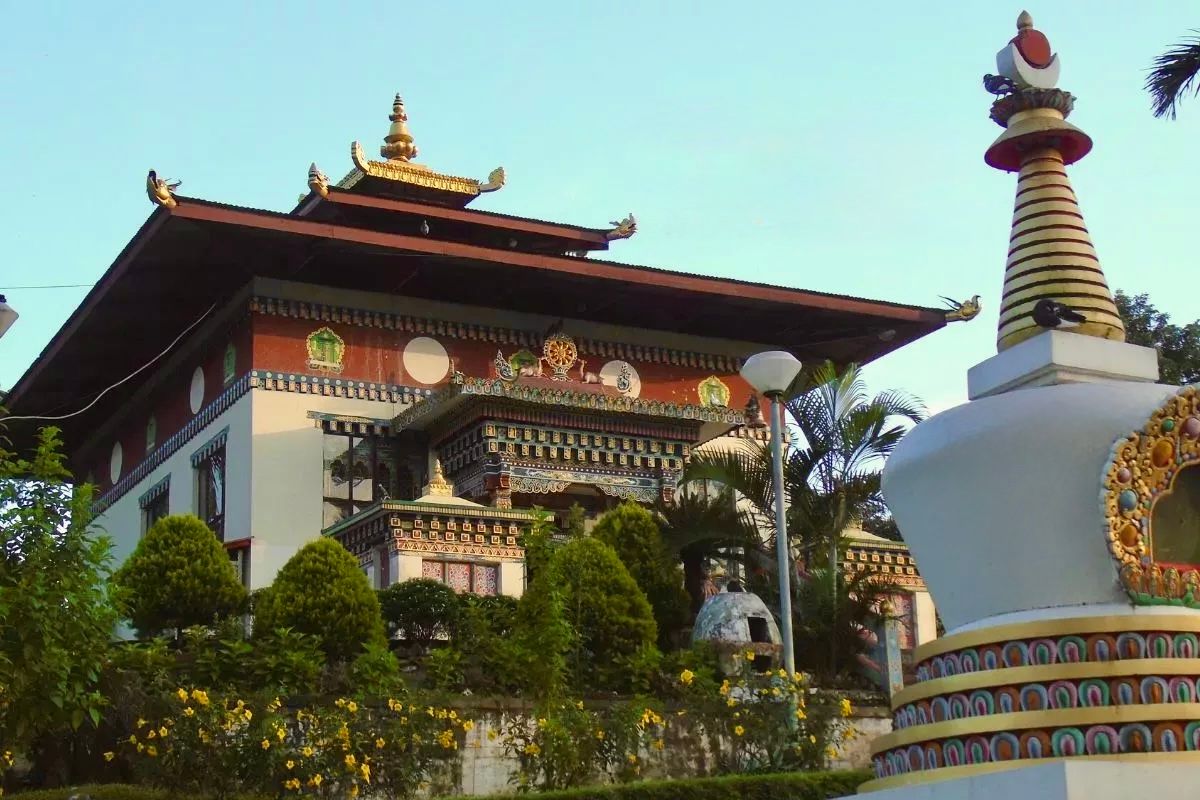
Budget Hotels / Guesthouses:
₹1,500 – ₹3,000 per night
(ideal for economical travellers, basic but comfortable)
Mid-Range Hotels:
₹3,500 – ₹7,000 per night
(more amenities, better comfort, scenic locations)
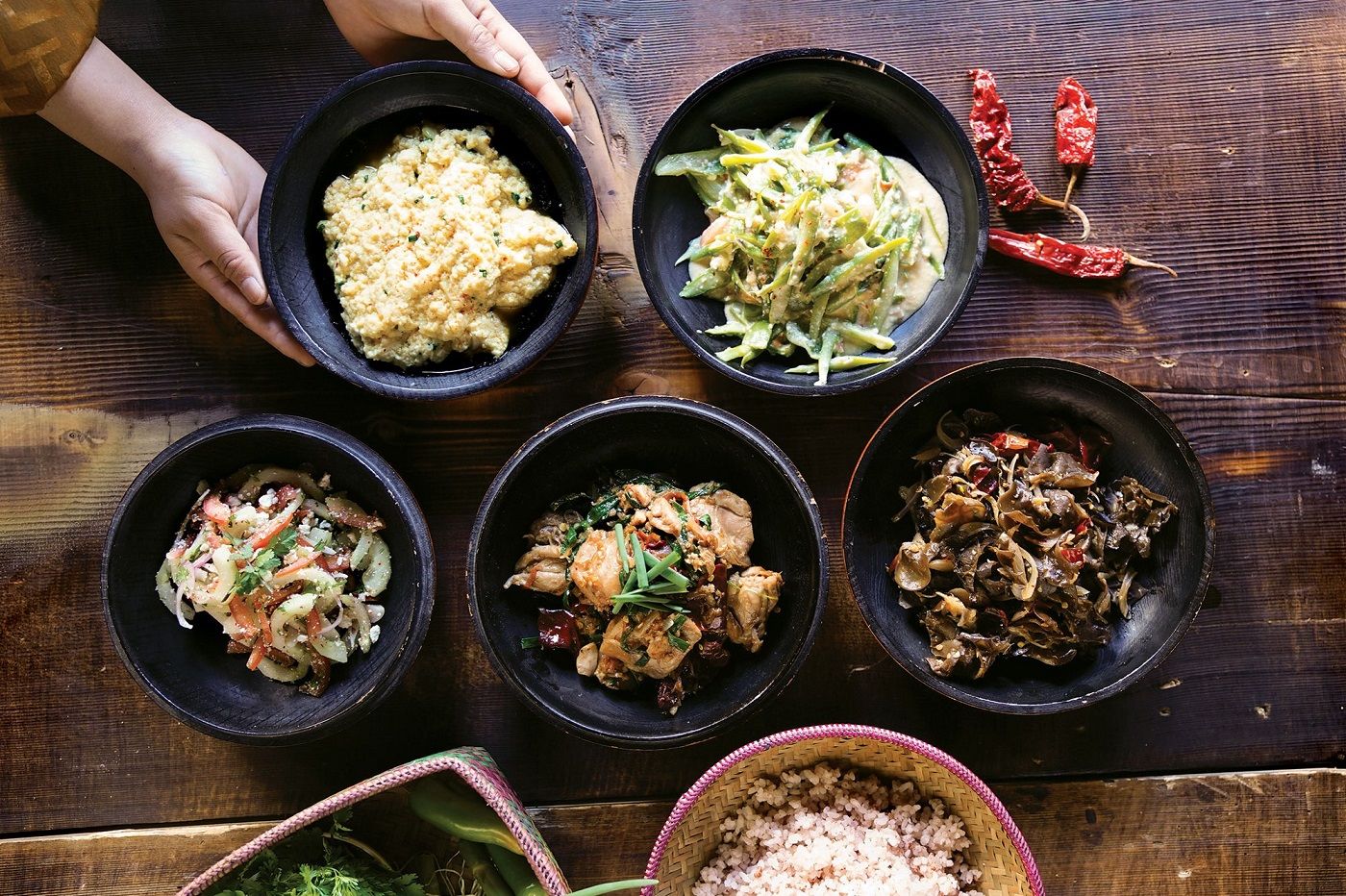
Food in Bhutan is reasonably priced.
Expect ₹250 – ₹500 per person at local eateries.
Hotel restaurants may be slightly higher.
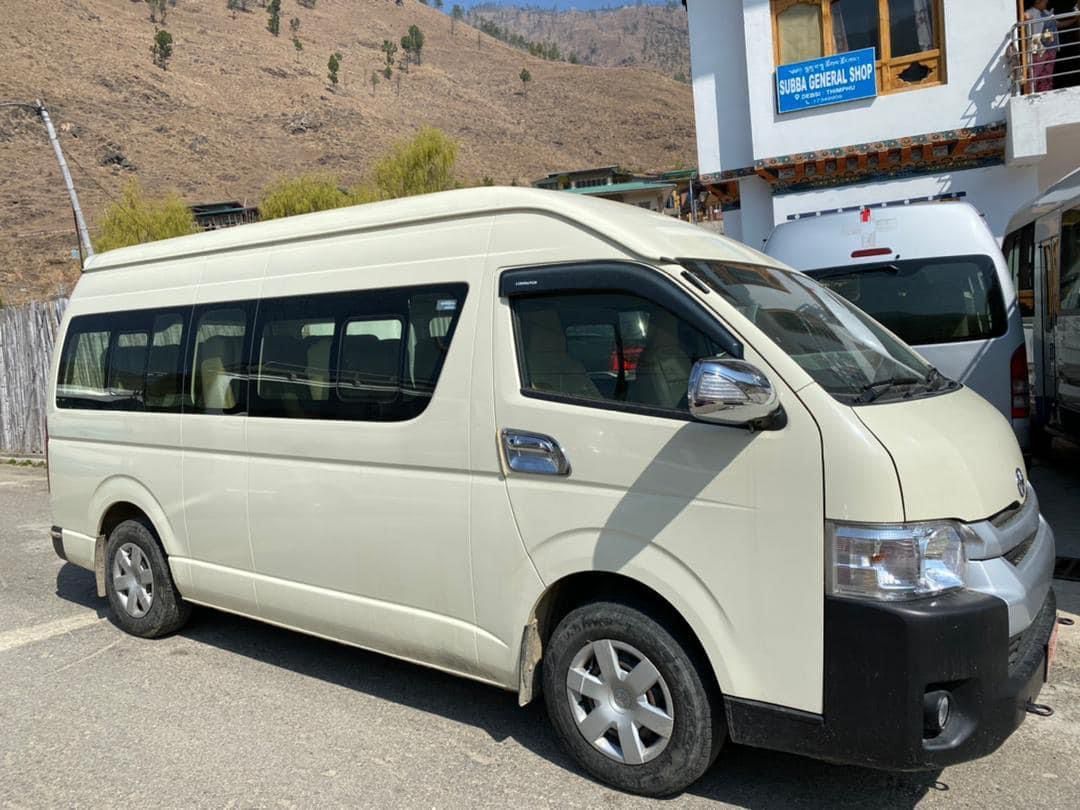
To travel comfortably between cities and sightseeing spots, most travellers hire a vehicle.
Average taxi / private vehicle cost: ₹2,000 – ₹3,500 per day, depending on distance, vehicle type & terrain.
• Carry sufficient cash, as ATMs may not always function in remote areas
• Dress modestly inside temples and monasteries
• Ask before taking photographs in religious sites
• Maintain silence and be respectful during rituals and prayers
• Avoid littering and reduce plastic waste whenever possible
• Stay hydrated — altitude and mountain air can affect first-time travelers
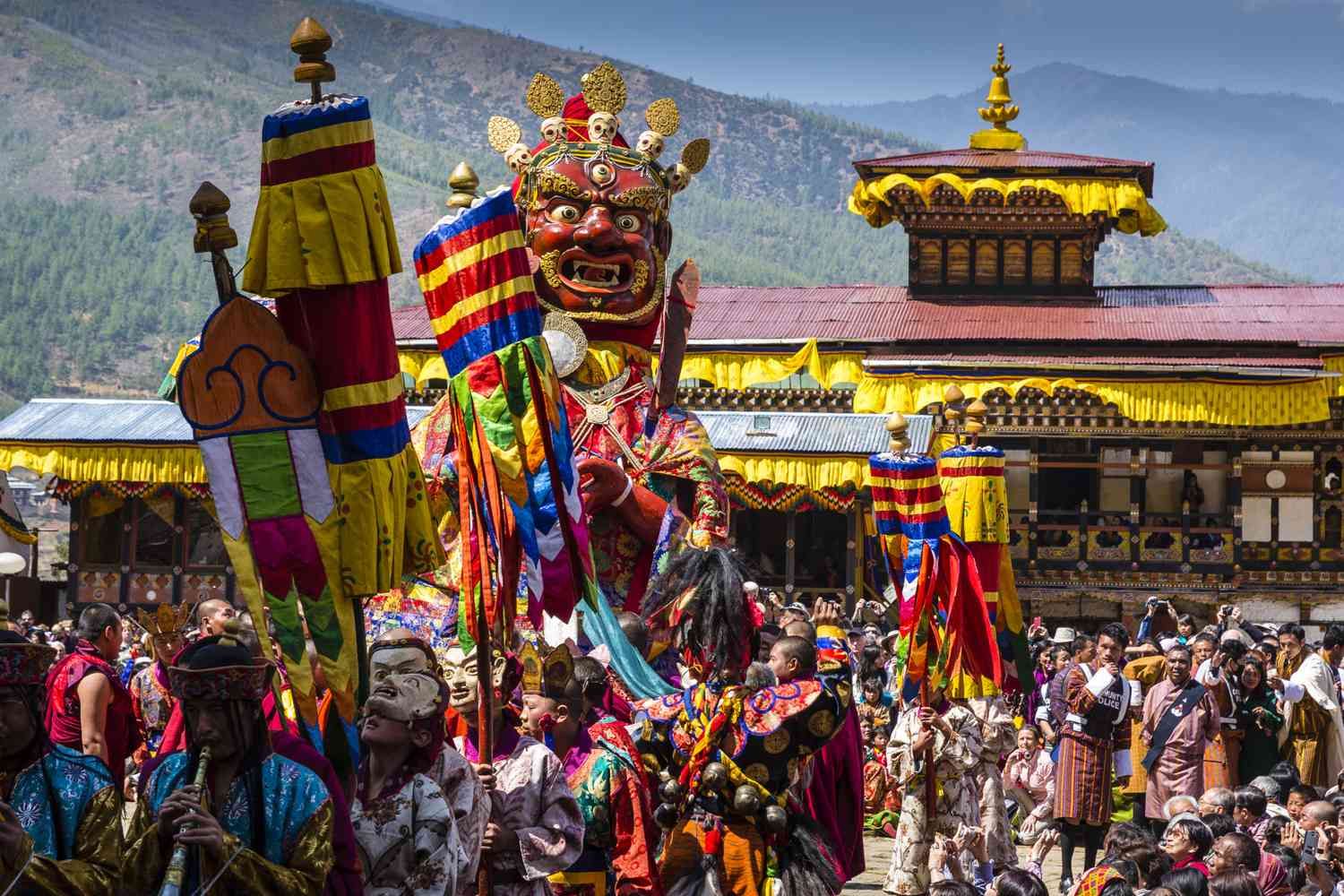
From the sacred peaks of Paro, to the vibrant streets of Thimphu, and the peaceful valleys of Punakha, Bhutan offers experiences that stay with you long after you leave.
The mountains will inspire you.
The silence will transform you.
And the memories… will follow you home forever.
Share it with your friends
Join India's fastest-growing travel platform and expand your business across South-East Asia
Access to thousands of customers actively looking for tours
Dedicated account manager and marketing assistance
Showcase your packages to travelers from all over India
Trusted by 500+ travel agents across India