Explore the most iconic souvenirs you can buy in Bhutan and take home a piece of its culture, heritage, and craftsmanship.

When you visit Bhutan, you’ll find that the souvenirs here are not just objects - each item connects to the country’s deep culture, traditions, and spirituality. From handmade crafts to symbolic religious items, Bhutan offers unique gifts that you cannot find anywhere else. Here are the top 15 Bhutan souvenirs you should consider bringing home.
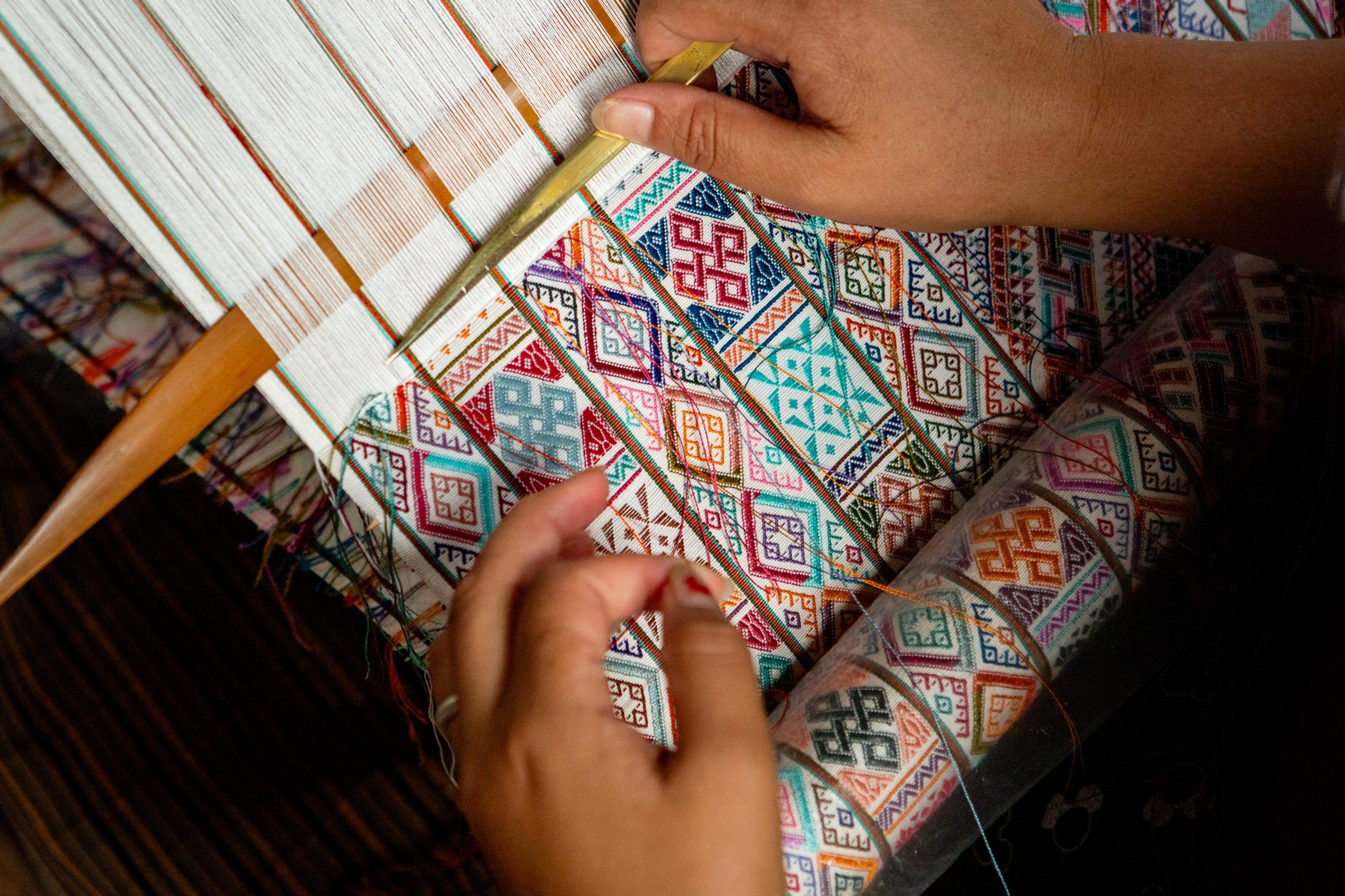
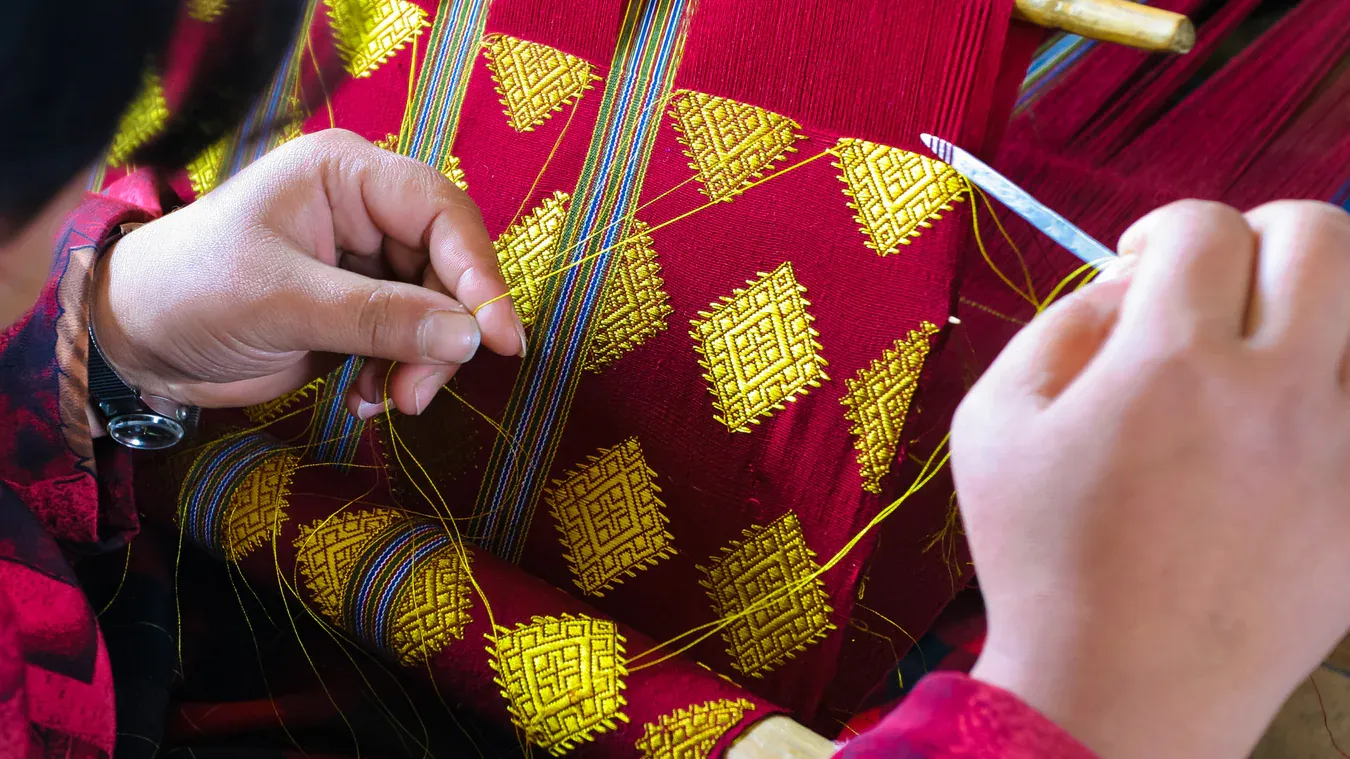
Bhutan is famous globally for its weaving traditions. Scarves, shawls, and stoles are made using ancient techniques and natural dyes. Each region has its own unique patterns, and these textiles are often passed down through generations. If you want a luxury souvenir, buy a handmade “kira” or “gho” fabric.
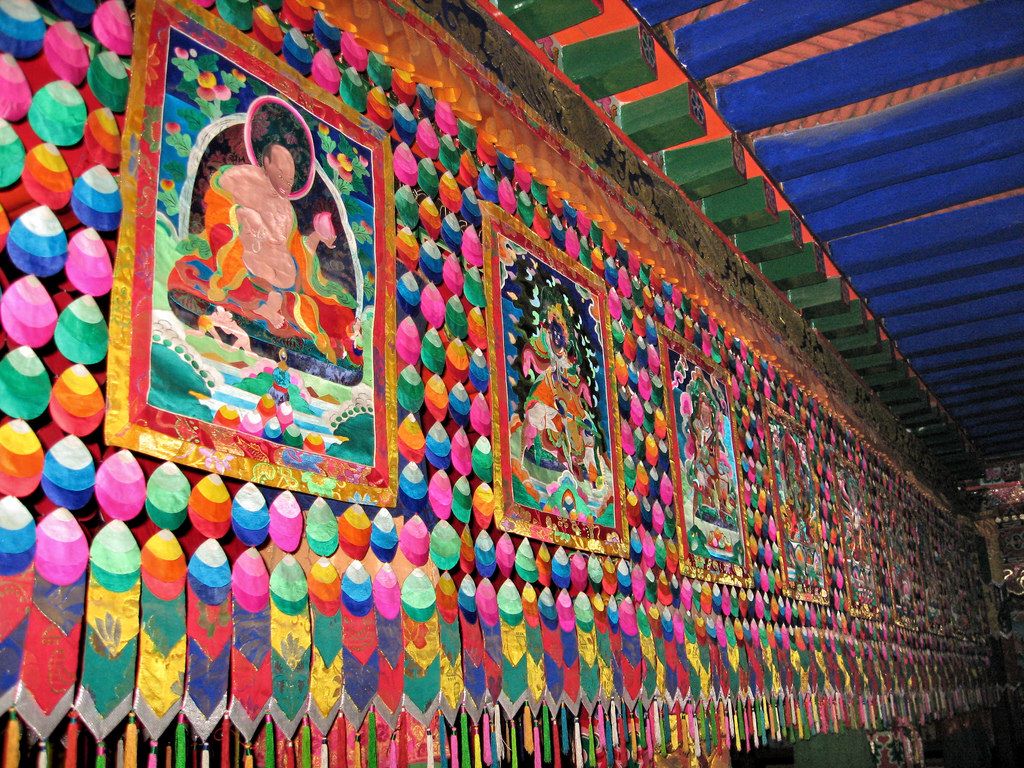
Thangkas are religious scroll paintings painted on cotton or silk, often with gold leaf accents. They depict Buddhas, protective deities, mandalas, or scenes from Buddhist texts and are created following strict iconographic rules. Why buy one: Thangkas are both devotional and decorative - collectors prize antique pieces and new works made by monastery-trained artists. Authenticity tip: ask about the artist and pigments; handpainted thangkas will show brushstrokes and minor asymmetry. Price range: from affordable small prints to costly original thangkas requiring weeks of labor. Packing & care: roll gently in protective tube, keep away from moisture and direct sunlight.
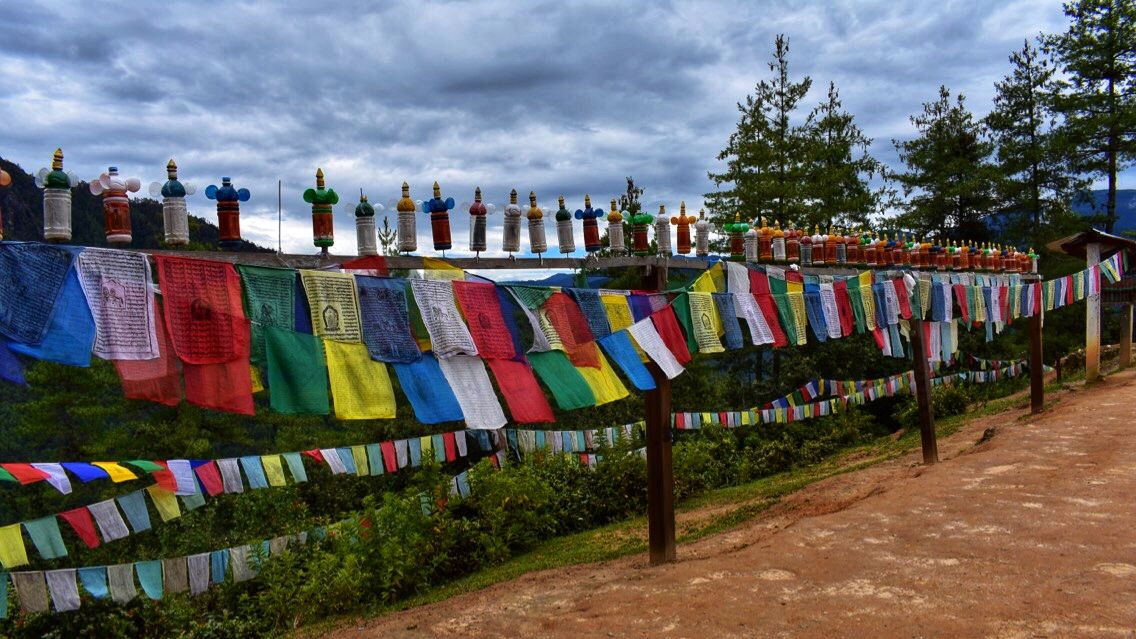
Prayer flags are rectangular cloths printed or hand-painted with mantras and prayers, traditionally hung outdoors so wind spreads blessings. They come in five colors (blue, white, red, green, yellow) representing elements. Buying tip: lightweight machine-printed flags are inexpensive; for authenticity, seek hand-printed or locally woven versions sold near monasteries. Practicalities: very light and easy to pack; explain cultural respect - flags should be hung, not used as tablecloths. Care: outdoor use only; biodegradable materials can fade and fray naturally.
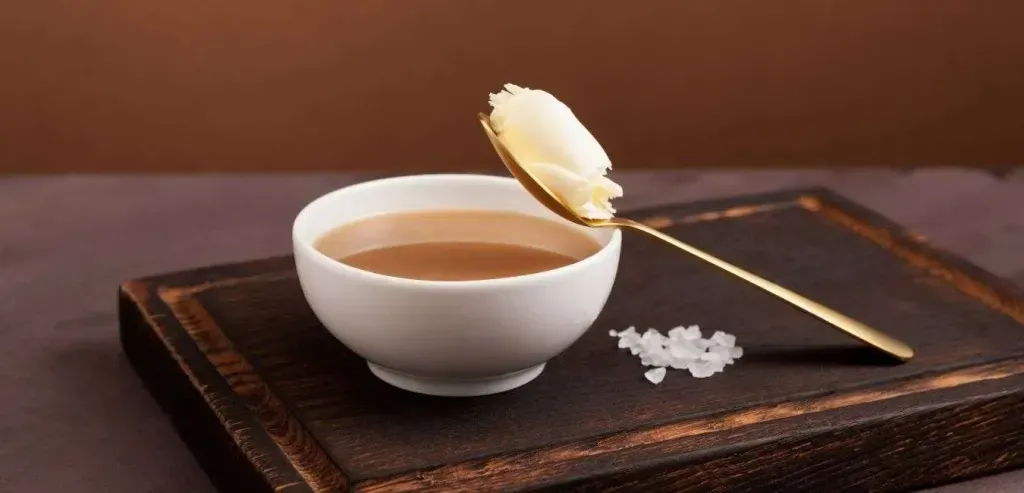
Bhutan offers herbal blends and classic teas grown or blended locally - including green teas, herbal infusions and traditional Suja (butter tea mix ingredients). Unique blends may incorporate local herbs, flowers or red rice tea specialties. Buying tip: buy sealed packages from reputable shops or markets; smaller tea shops often offer tastings. Storage & packing: keep in airtight tins or sealed bags to retain aroma; check customs rules for importing food items into your country. Use: great for gifts or to recreate Bhutanese tea rituals at home.
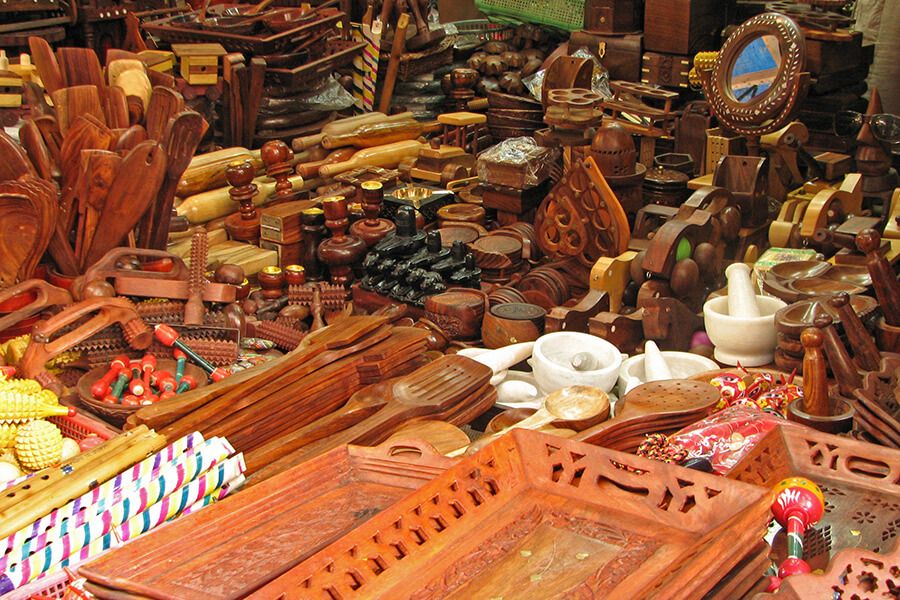
Skilled carpenters produce wooden bowls, utensils, carved boxes, and small furniture decorated with Bhutanese motifs. Local woods and hand-carving techniques give each piece character. Buying tip: inspect joins and finish for quality; lighter woods are easier to pack. Price: ranges widely by size and complexity. Packing & care: wrap in bubble/cloth when packing; treat woodenware occasionally with food-safe oil; avoid prolonged exposure to moisture.
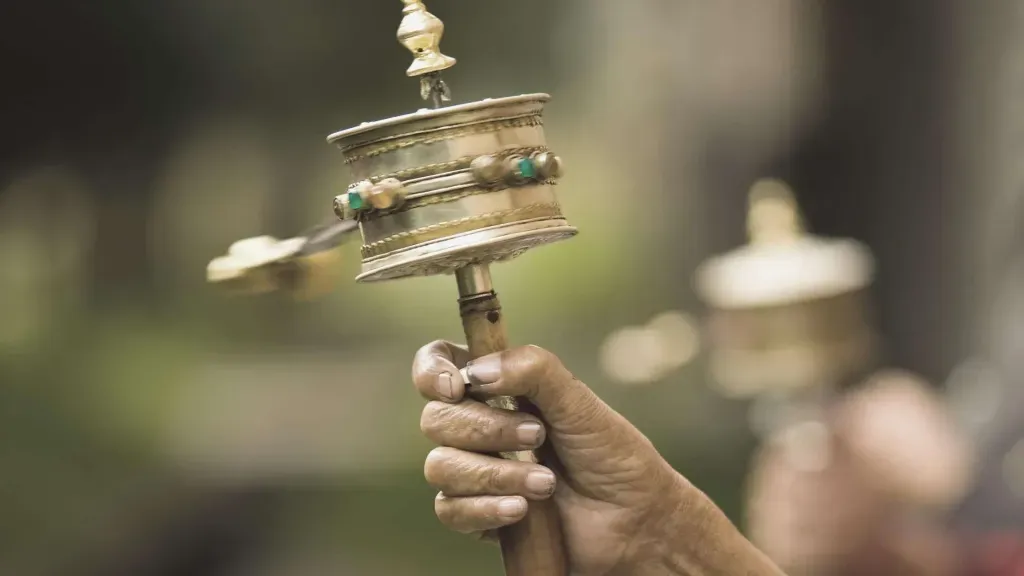
Prayer wheels (mani wheels) are cylindrical devices inscribed with mantras, spun to accumulate merit. Sizes range from small palm-wheels to decorative desktop pieces. Buying tip: shop near monasteries for authentic metalwork; check the inscription (Om Mani Padme Hum) and internal scrolls in larger wheels. Cultural note: they’re devotional items - treat with respect; some countries restrict religious artifacts at customs so check before buying. Care: keep dry to prevent metal corrosion; hand-polish if needed.
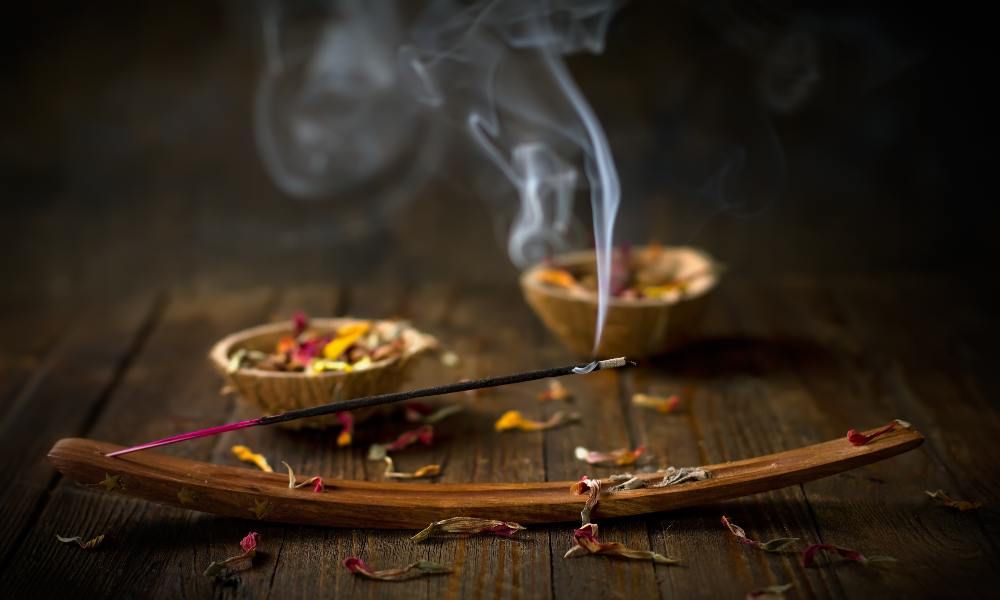
Bhutanese incense is often hand-made using blends of medicinal herbs, tree resins and floral fragrances unique to the Himalayas. Temple-grade incense uses locally for ritual purity and may be more refined. Buying tip: sample different scents and ask for ingredient lists (good sellers will explain herbal mixes). Price: inexpensive and easy to carry. Use & storage: store in airtight tins; burn in well-ventilated areas during meditation or to scent a room.
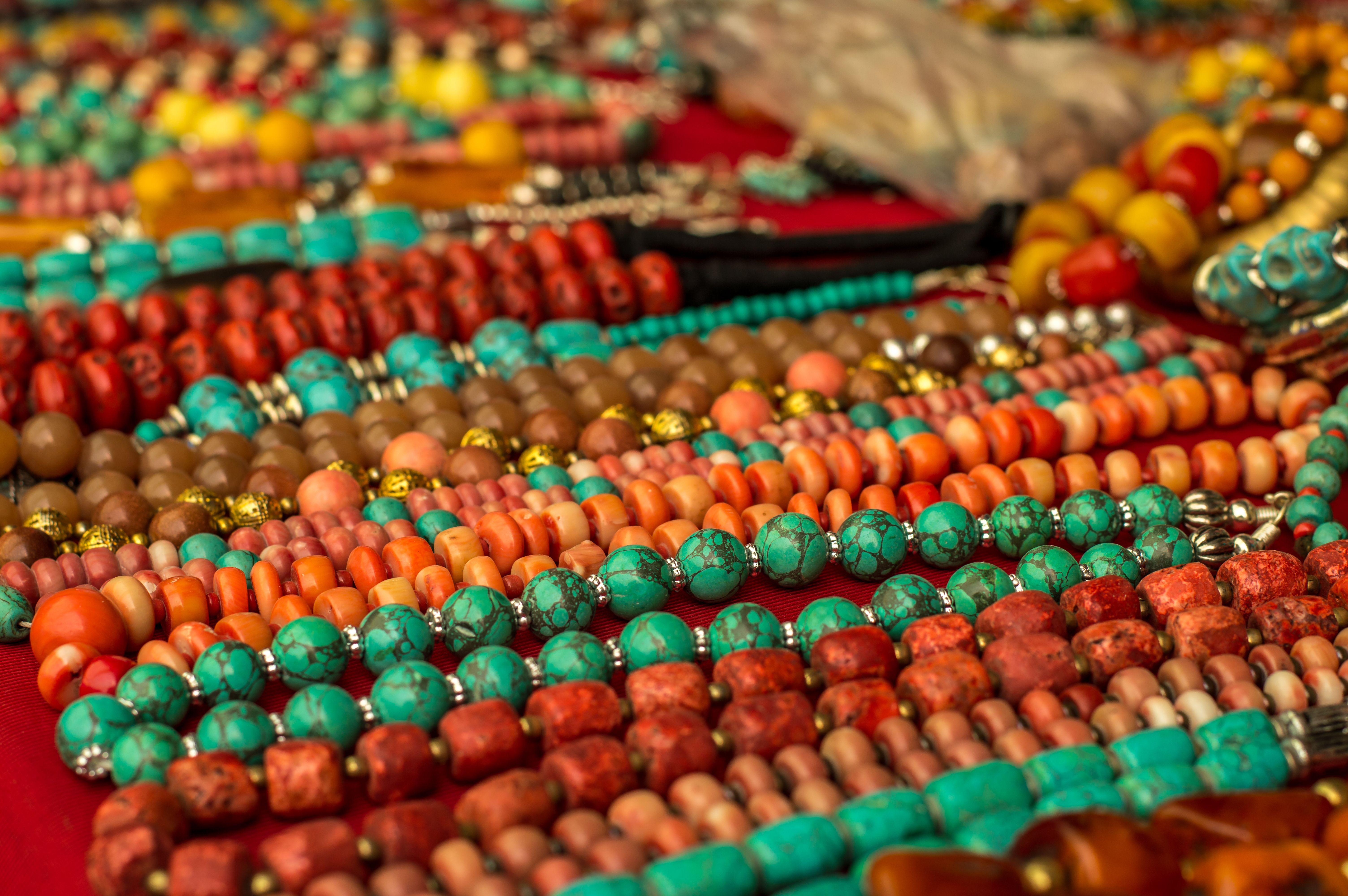
Jewelry commonly features turquoise, coral, agate (including dzi beads), amber and silver settings. Designs are influenced by Buddhist symbolism - amulets, protective motifs and prayer-related charms are frequent. Buying tip: purchase from reputable jewelers and ask for gemstone origin; watch for dyed or imitation stones. Price: varies with stone quality; turquoise and silver pieces are common mid-range buys. Care: clean with a soft cloth; avoid chemicals that harm turquoise and coral.
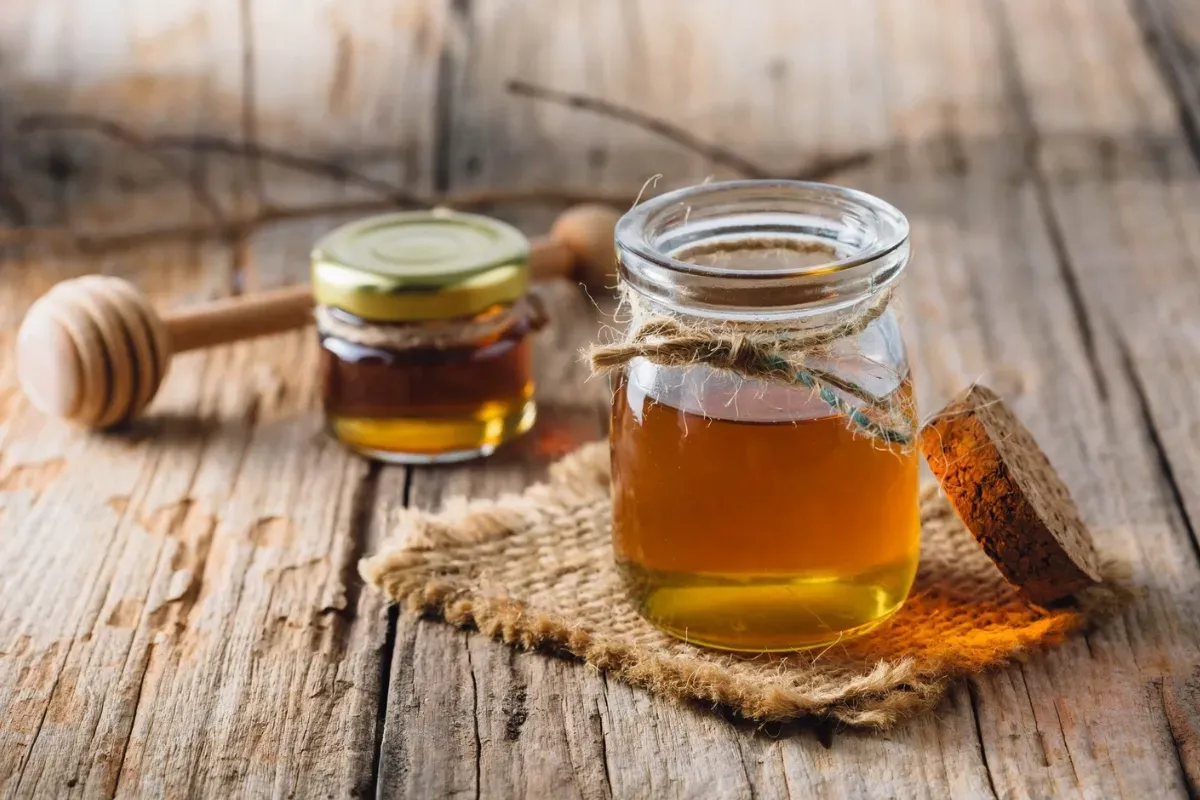
Sourced from pristine mountain flora, Bhutanese honey is often raw or infused with local blossoms and herbs. It’s prized for unique flavor profiles and possible health properties. Buying tip: check for seal, source and avoid overly processed honey. Packaging is usually glass jars - pack carefully to prevent breakage. Customs: check import rules for food items. Use: spread on bread, sweeten tea or as a culinary gift.
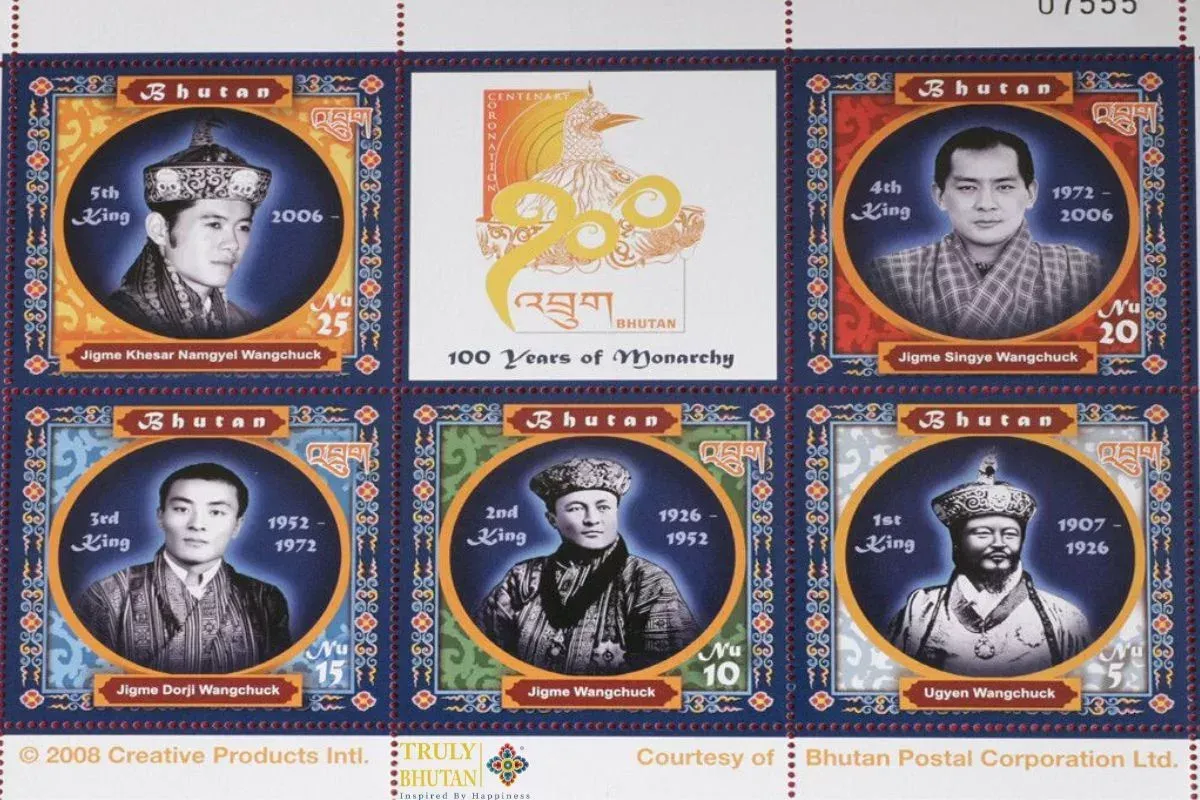
Bhutan’s stamps are collector favorites - historically creative (shaped, 3D, even talking stamps in the past) and always visually striking. Philatelists will value commemorative issues depicting culture, wildlife and festivals. Buying tip: buy from official post offices to ensure authenticity and ask for mint/unhinged versions if you’re collecting. Packing: small and lightweight - place in protective sleeves or envelopes. Resale/collection value varies by issue and rarity.
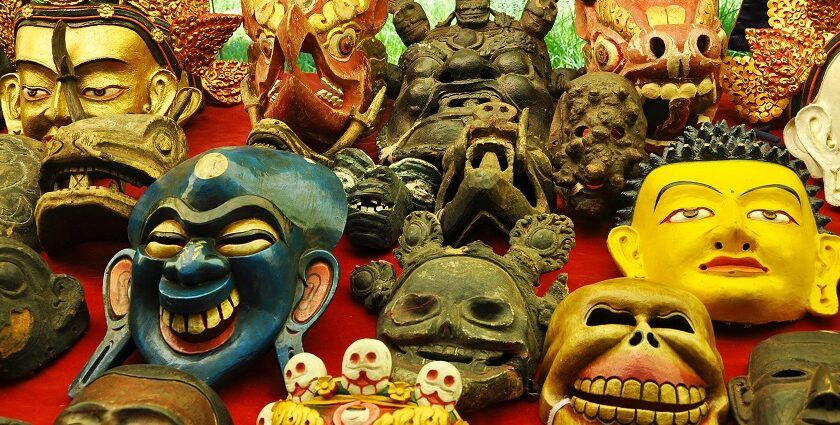
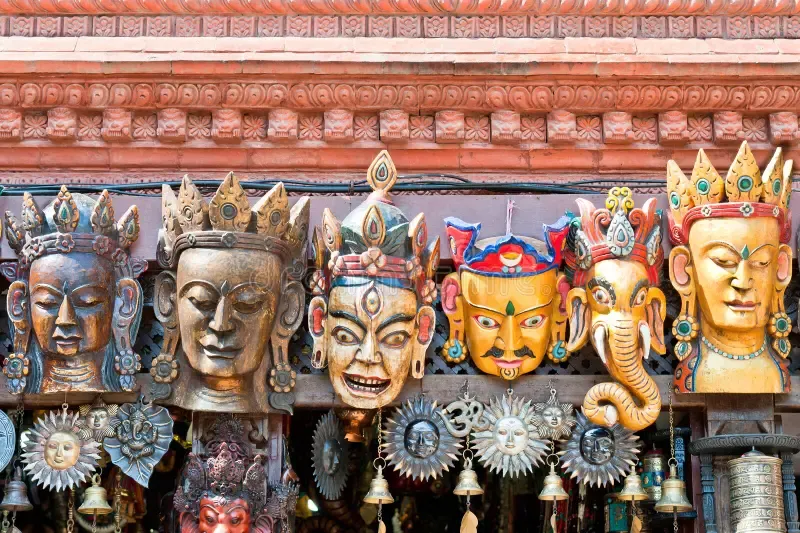
Masks used in traditional tsechu dances (festival dances) are carved from wood and painted in vivid colors representing deities, demons, and mythical creatures. They often show elaborate detail and vivid expression. Buying tip: medium-sized wall masks are good home decor pieces; ask about wood type and whether it’s a reproduction or antique (antiques may be restricted for export). Packing & care: wrap carefully to avoid paint chips; display away from direct sunlight to preserve colors.
Small-scale models of Bhutan’s dzongs (fortress-monasteries) or the Tiger’s Nest (Paro Taktsang) are popular souvenirs. They’re made from wood, clay or metal and capture architectural details. Buying tip: look for finely detailed models from artisans rather than mass-produced resin figures to get a unique keepsake. Price: affordable; larger, highly detailed models cost more. Care: dust gently and place where they won’t be knocked over.
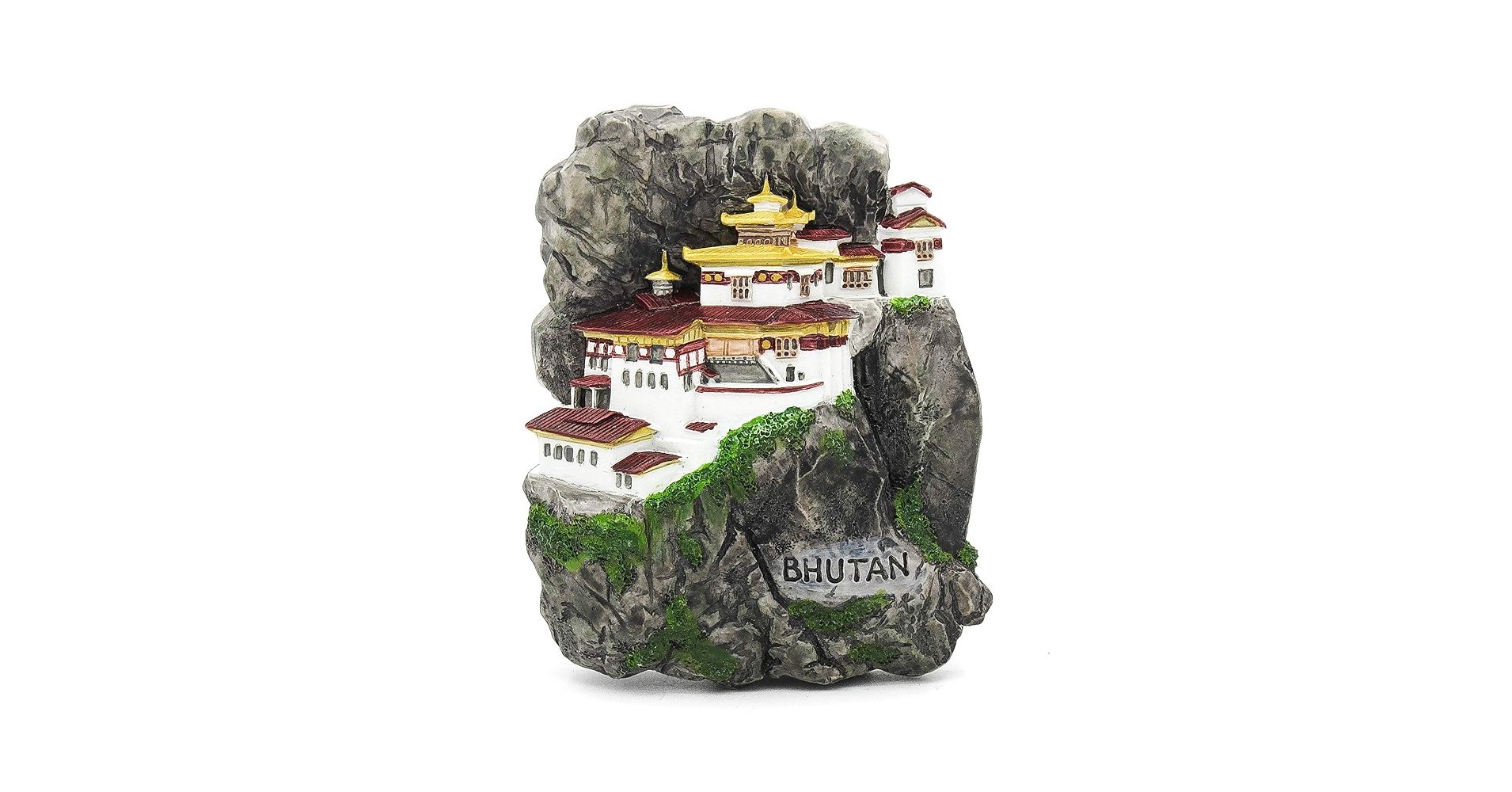
Yathra is a coarse, patterned wool textile from western Bhutan used for jackets, blankets, bags and caps. It’s warm, colorful and durable. Buying tip: feel the weave and ask if it’s 100% wool; some tourist items mix fibers. Price: mid-range depending on size. Care: wool wash or dry-clean depending on label; store folded in breathable bags to avoid moth damage.
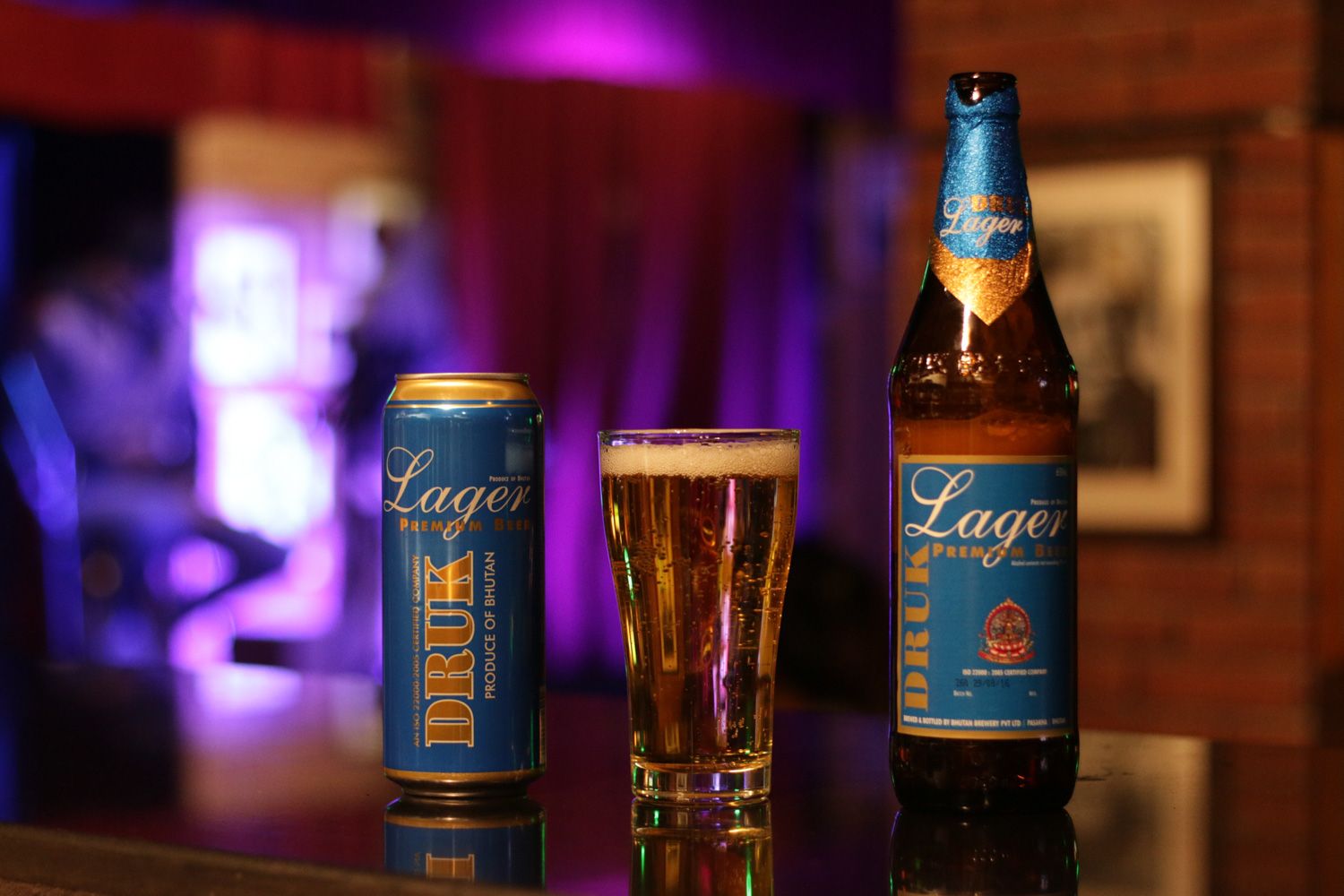
Bhutan’s breweries and small distilleries produce local beers (Druk) and fruit wines/arak-like spirits. They’re novelty items for enthusiasts, reflecting local ingredients and tastes. Buying tip: check alcohol allowances for your destination; bottles must be sealed and packed upright to avoid leakage. Availability: available in specialty shops and some hotels. Consumption note: be mindful of local drinking customs and legal limits.
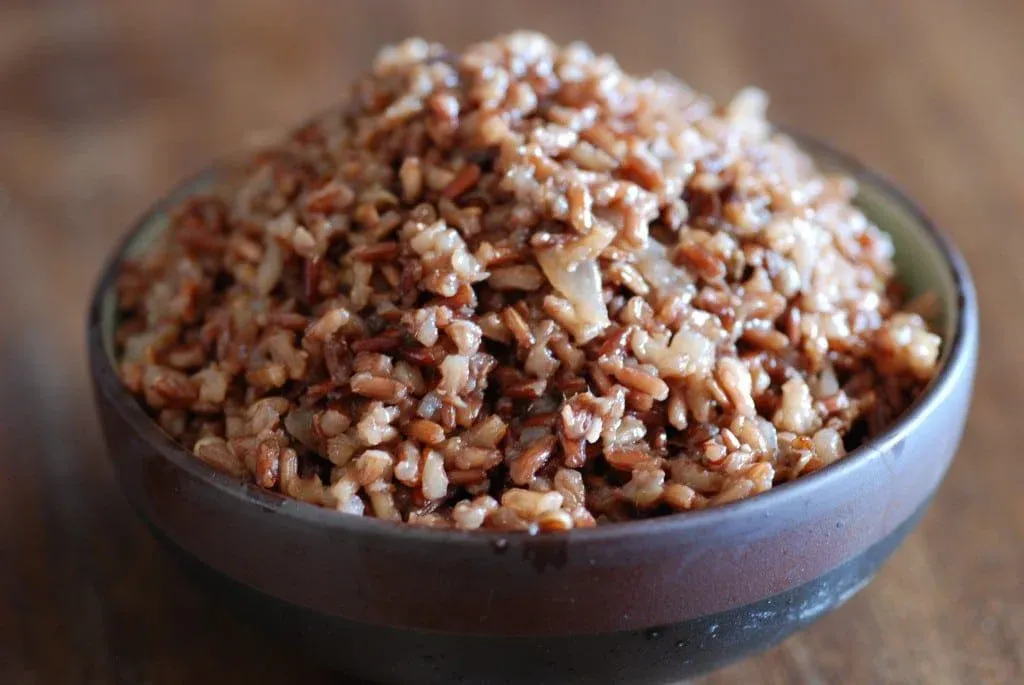
Bhutanese red rice is a short-grain, nutty rice grown at high altitudes and prized for texture and flavor; local spices and chili blends are essential to Bhutanese cooking (e.g., for Ema Datshi). Buying tip: purchase sealed, labeled packages to ensure freshness; ask vendors about spice blends and suggested recipes. Customs: check rules for importing agricultural products. Storage & use: store rice in airtight containers; spices in cool dry places — great for recreating Bhutanese meals at home.
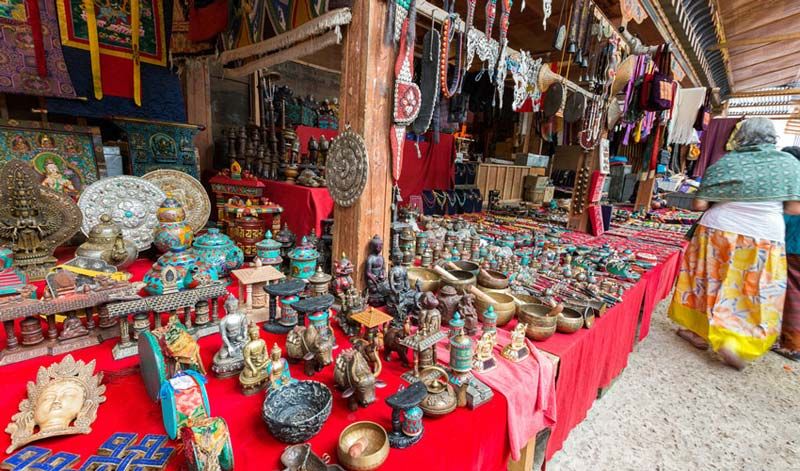
Traveling through Bhutan felt like stepping into a world where every product has a story and every shopkeeper has a smile. What made my shopping experience special was that nothing felt commercial or mass-produced. Whether I bought a handwoven scarf, tasted Suja tea in a small village shop, or watched artisans carving masks in tiny workshops, everything reflected the heart of Bhutanese culture.
One thing I loved the most was how locals explain the meaning behind their crafts. I didn’t just buy souvenirs I took home blessings, memories, and conversations from people who genuinely love preserving their heritage. Shopping in Bhutan wasn’t just about buying things; it was an experience of understanding tradition, spirituality, and craftsmanship.
Share it with your friends
Join India's fastest-growing travel platform and expand your business across South-East Asia
Access to thousands of customers actively looking for tours
Dedicated account manager and marketing assistance
Showcase your packages to travelers from all over India
Trusted by 500+ travel agents across India