Explore the top 5 river rafting routes in Rishikesh 2026 - from easy family rides to expert rapids - with safety tips and insider advice.
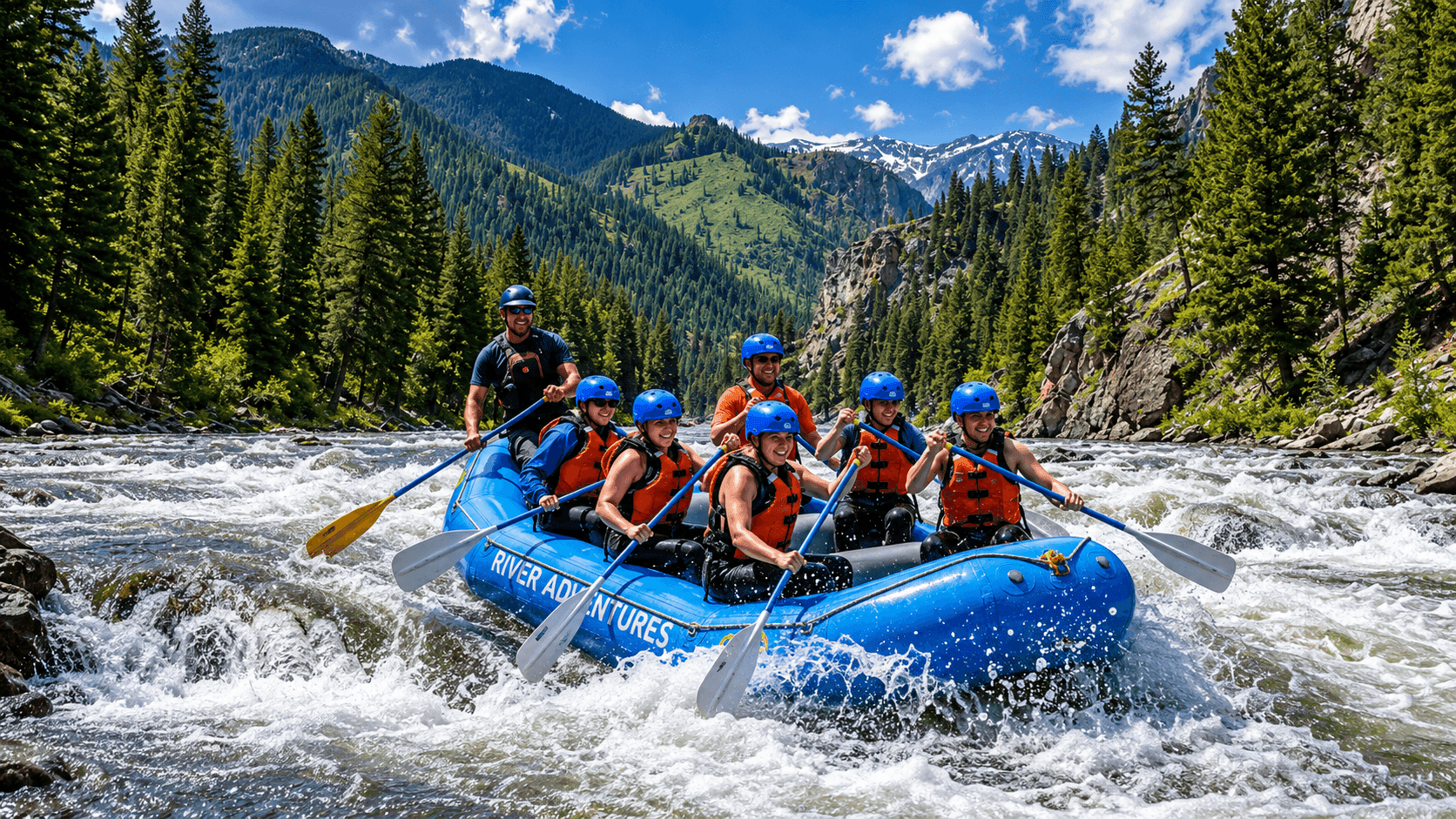
Nestled along the sacred banks of the River Ganges in Uttarakhand, Rishikesh is more than just a spiritual hub - it is India's undisputed adventure capital. Every year, thousands of thrill-seekers from across the country and the world descend on this Himalayan gateway for one reason: world-class river rafting.
With rapids ranging from gentle Grade I flows to heart-pounding Grade IV challenges, Rishikesh offers a rafting experience for every kind of adventurer. Whether you are a first-timer looking for a safe introduction or a seasoned rafter chasing serious white water, this destination delivers.
In this guide, we break down the top 5 river rafting stretches in Rishikesh in 2026 - covering distance, difficulty, ideal audience, safety tips, and what to pack so you can plan the perfect trip.
Rishikesh ticks every box for a world-class rafting destination:
The best time to go river rafting in Rishikesh is from September to November and February to May, when water levels are ideal and weather conditions are safe. Avoid the monsoon season (July–August) when water levels surge dangerously high.
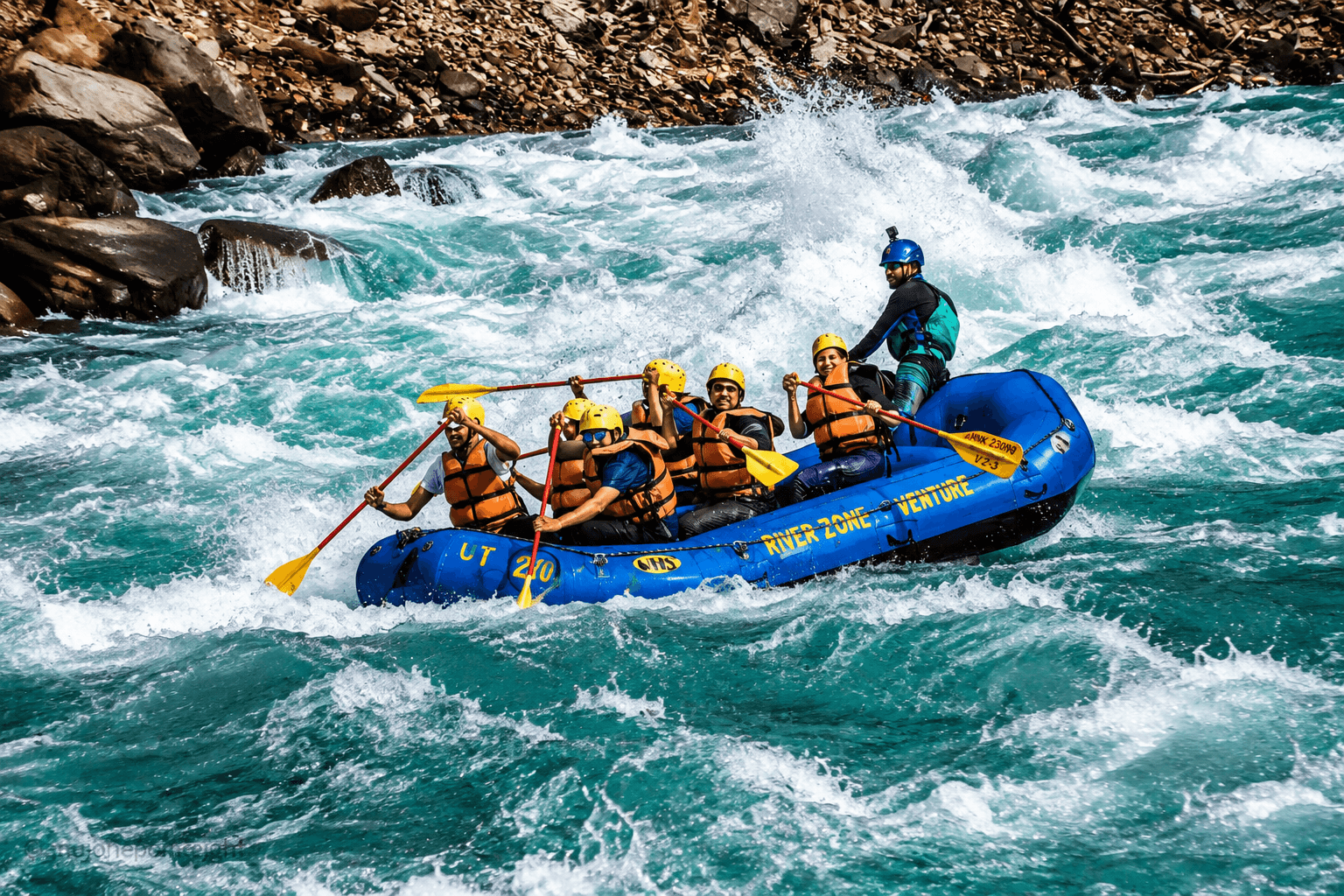
Difficulty: Grade I–II | Duration: 1–1.5 hours | Best for: First-timers, families, children
This is the perfect entry point into the world of river rafting. The Brahmpuri to Rishikesh stretch is gentle, fun, and scenic - ideal for those who want to experience adventure without the intensity.
Expect calm stretches broken by mild rapids, giving you just enough excitement while keeping things safe. The surrounding landscape of rocky banks and forested hills makes this a visually rewarding experience even for those who prefer to take it easy.
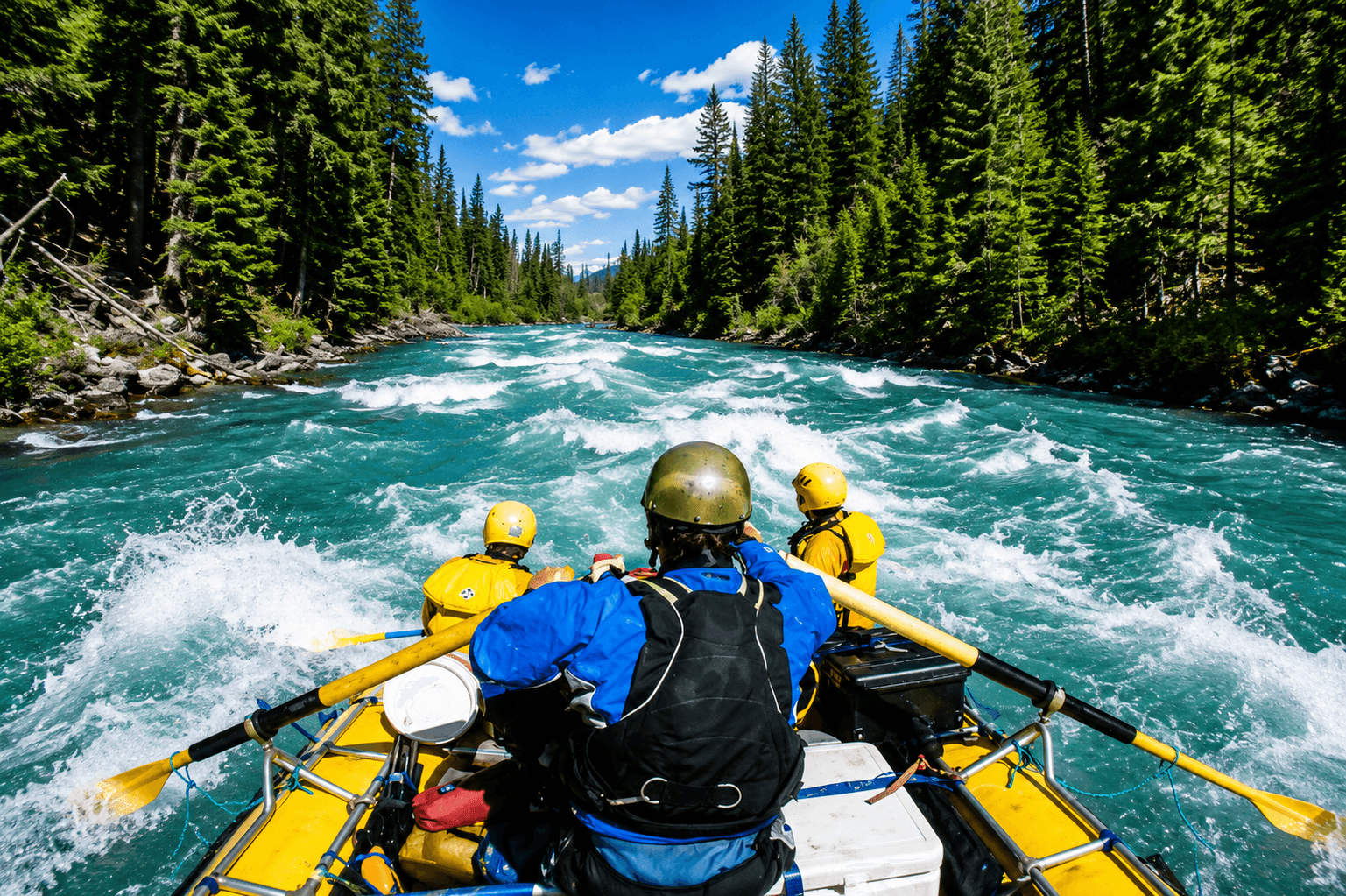
Difficulty: Grade I–II | Duration: 45–60 minutes | Best for: Beginners, day-trippers
Short on time but big on scenic beauty? The Neer Garh to Rishikesh stretch is your go-to option. This route winds through greenery with small waterfalls peeking through the forest on the riverbank - making it as photogenic as it is fun.
It is slightly more adventurous than the Brahmpuri stretch, with a few more active rapids, but remains thoroughly beginner-friendly. Ideal if you are combining rafting with other activities in a single day.
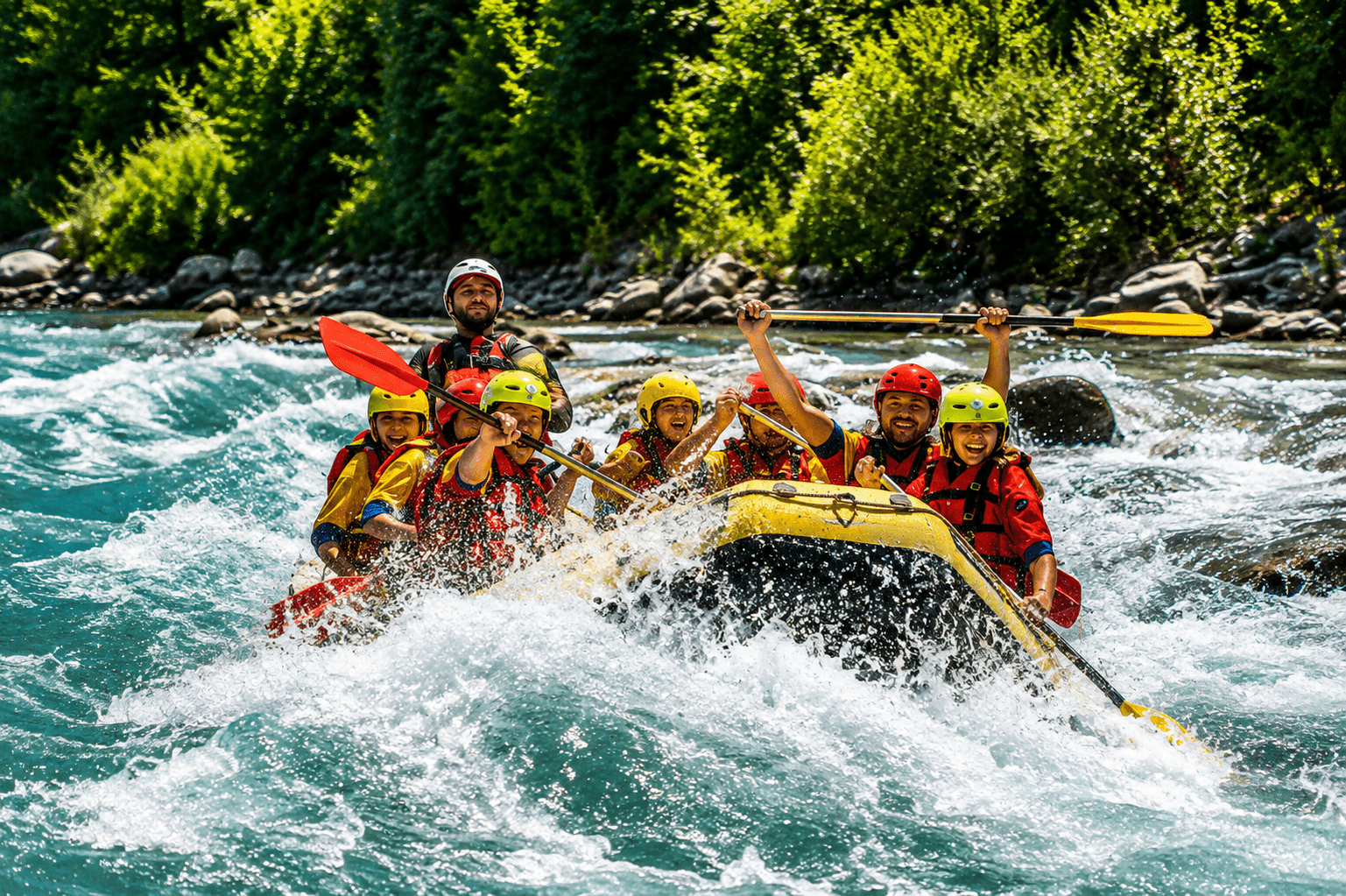
Difficulty: Grade II–III | Duration: 1.5–2 hours | Best for: Beginners to intermediate rafters
This stretch strikes a perfect balance between thrill and accessibility. Starting near the iconic Ram Jhula suspension bridge, the route passes through diverse terrain - calm glides, moderate rapids, and beautiful riverbank scenery.
Grade II–III rapids offer enough adrenaline to excite without being overwhelming for first-timers who have done some basic paddling. It also passes through some of Rishikesh's most recognisable landmarks, adding a cultural dimension to the journey.
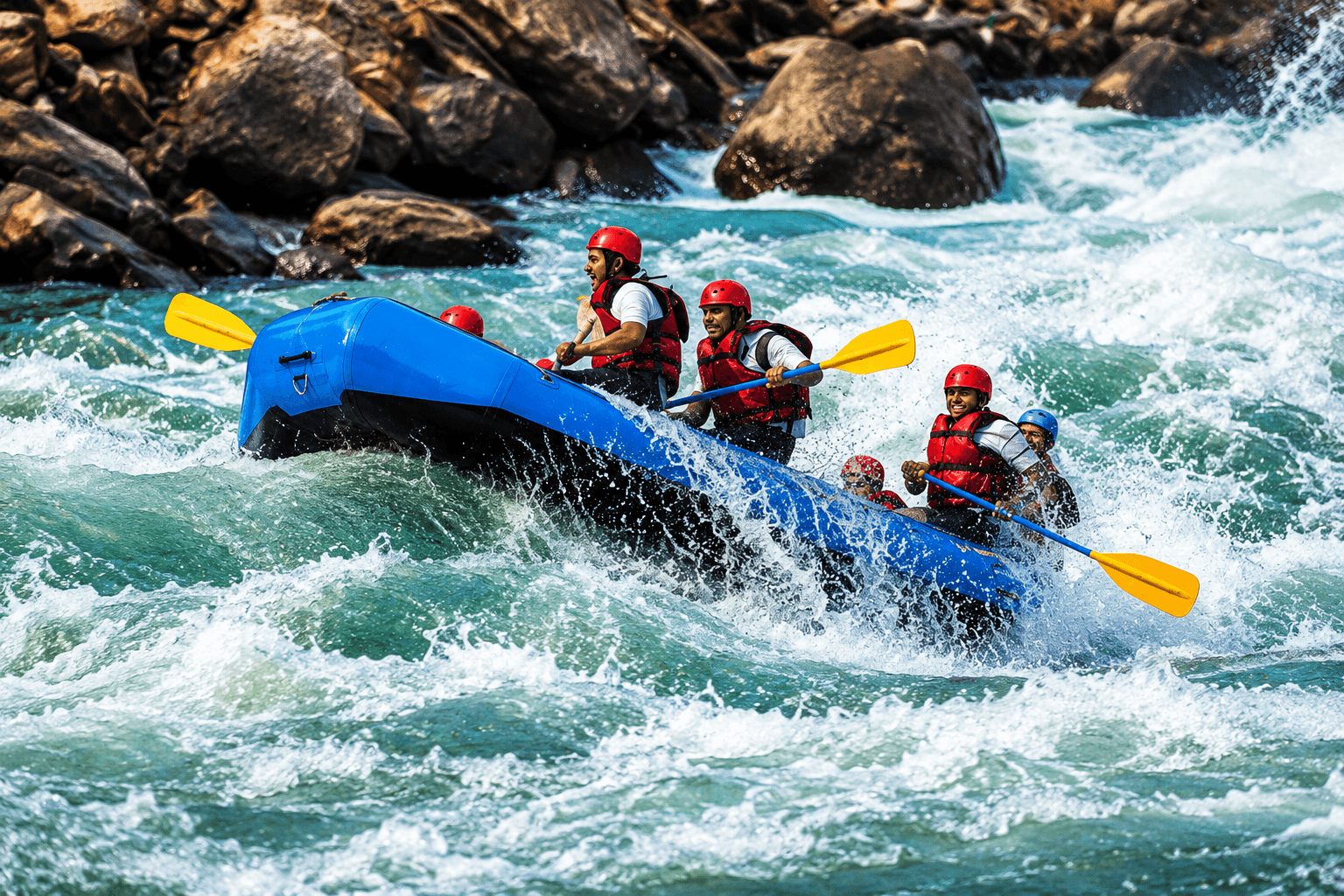
Difficulty: Grade III | Duration: 2–3 hours | Best for: Intermediate to adventurous rafters
Arguably the most popular rafting route in Rishikesh, the Shivpuri to Rishikesh stretch is where the real action begins. This route features some of the most famous rapids in Indian rafting - including the legendary Roller Coaster and Golf Course rapids.
The longer distance means more variety: calm sections for rest, then sudden drops and churning white water that will have you screaming with excitement. This is the route most adventure operators recommend for a complete experience.
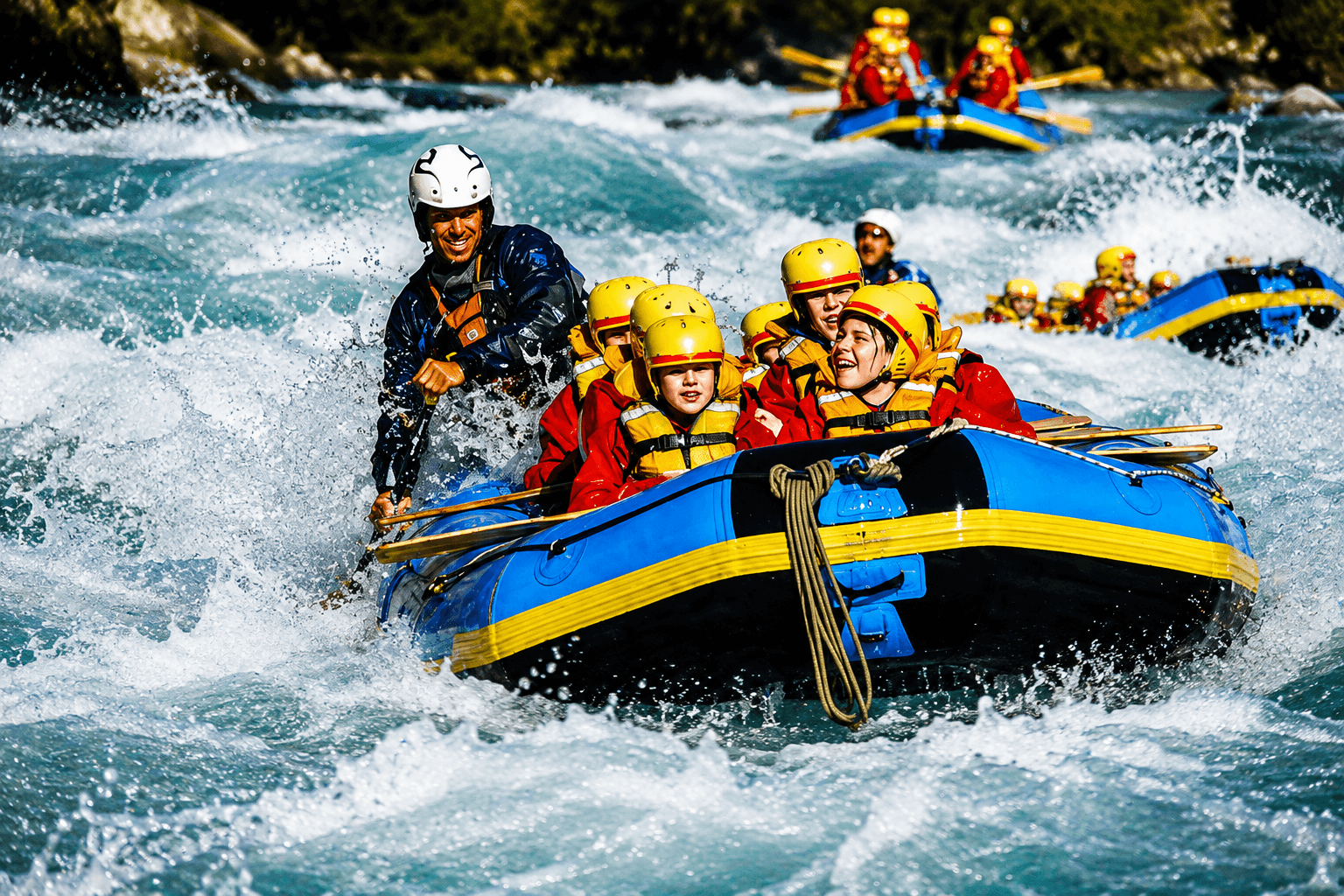
Difficulty: Grade III–IV | Duration: 4–5 hours | Best for: Experienced rafters only
This is the crown jewel of Rishikesh rafting - and it demands respect. The Kaudiyala to Rishikesh stretch is the longest, most technically demanding route available, featuring sustained Grade III–IV rapids that require strong paddling, quick reflexes, and good physical fitness.
Not for the faint-hearted, this route rewards those who take it on with an unmatched sense of accomplishment. Navigating wild white water through dramatic canyon scenery for hours makes it unlike anything else in Indian adventure tourism.
Q: What is the best time for river rafting in Rishikesh? The ideal months are September to November and February to May. Avoid July and August due to monsoon-related water surges that make rafting unsafe.
Q: Is river rafting in Rishikesh safe for non-swimmers? Yes - non-swimmers can safely raft on beginner-friendly routes (Brahmpuri to Rishikesh, Neer Garh to Rishikesh) as long as they wear life jackets and follow guide instructions at all times.
Q: How much does river rafting in Rishikesh cost? Costs vary by route and operator. Beginner routes typically start from ₹600–₹800 per person, while the full Kaudiyala stretch can cost ₹2,500–₹4,000 including guide, equipment, and transport.
Q: Do I need prior experience for river rafting in Rishikesh? No prior experience is needed for Grade I–II routes. For Grade III–IV routes like Kaudiyala to Rishikesh, prior rafting experience and good physical fitness are strongly recommended.
Q: What should I wear for river rafting in Rishikesh? Wear light, quick-drying clothes like synthetic sportswear. Avoid cotton. Wear secure footwear like sports sandals or old sneakers. Sunscreen and sunglasses with a strap are also advisable.
Rishikesh river rafting in 2026 is one of the most rewarding adventure experiences India has to offer. Whether you are a nervous first-timer on the gentle Brahmpuri stretch or an adrenaline veteran tackling the mighty Kaudiyala rapids, the Ganges has a route that will stay with you long after you have dried off.
Plan ahead, choose your route wisely, respect the river, and trust your guide - and you are guaranteed an unforgettable journey through one of the most breathtaking landscapes in the Himalayas.
Ready to book your Rishikesh rafting adventure? Start with the route that matches your experience level and take it from there. The river is waiting.
Share it with your friends