Cycle 1,400km through Patagonia’s spectacular wilderness, from Torres del Paine to Tierra del Fuego, discovering glaciers, wildlife, and some of South America’s most breathtaking landscapes.
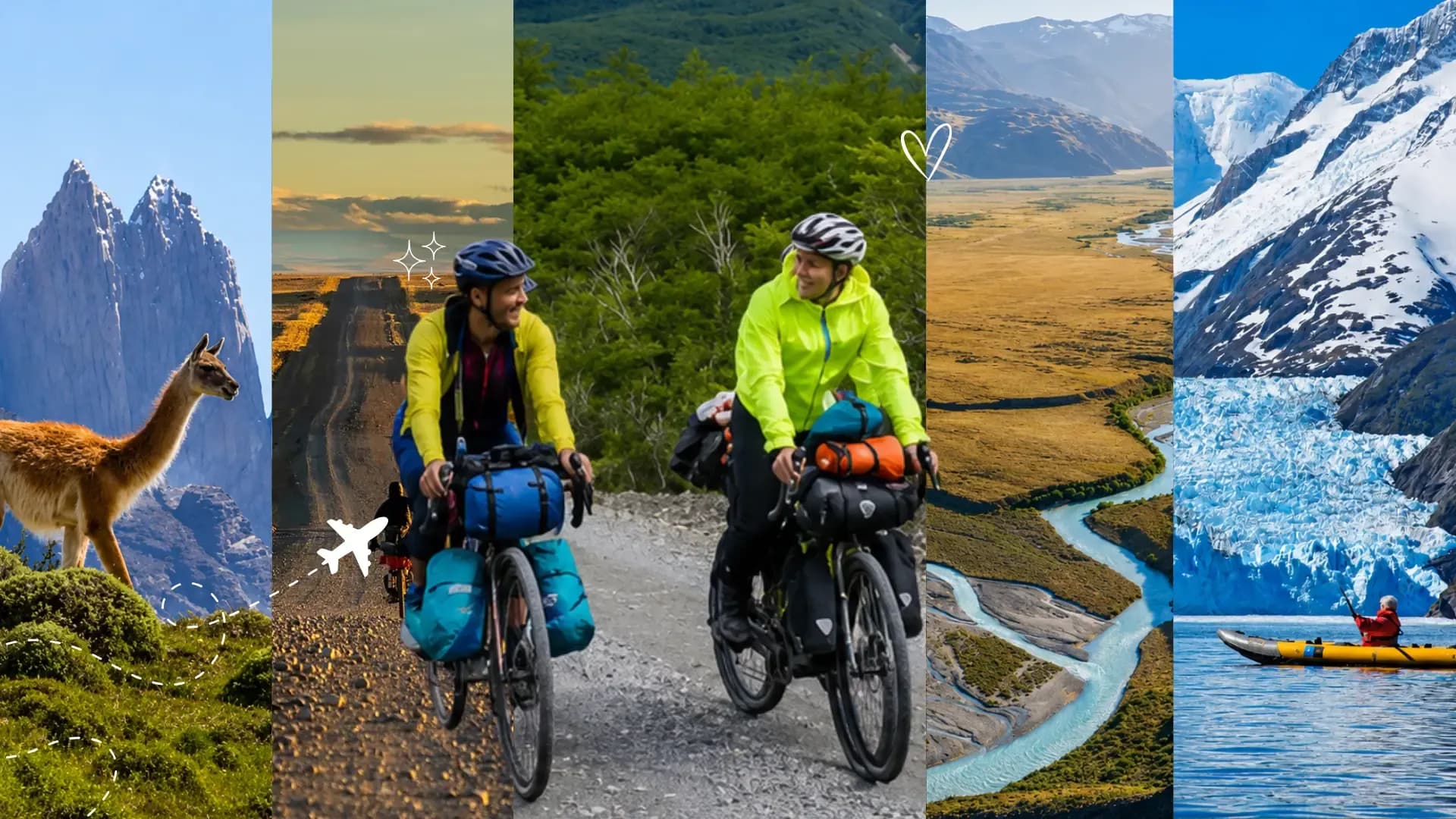
There are few places on Earth that feel as wild and untamed as Patagonia. Stretching across southern Argentina and Chile, this vast frontier of windswept steppes, towering mountains, ancient forests, and icy glaciers has long captivated adventurers. While most visitors explore Patagonia by car, bus, or on foot, one of the most rewarding ways to experience its raw beauty is by bicycle.
For those seeking an unforgettable adventure, the Fin del Mundo, or "End of the World" cycling route, offers an epic 1,400km journey through some of the most remote landscapes on the planet. Beginning in El Chaltén, Argentina, and ending in Ushuaia-the world’s southernmost city-the route crosses international borders, traverses gravel roads, and delivers an immersive encounter with Patagonia’s wildlife, people, and breathtaking scenery.
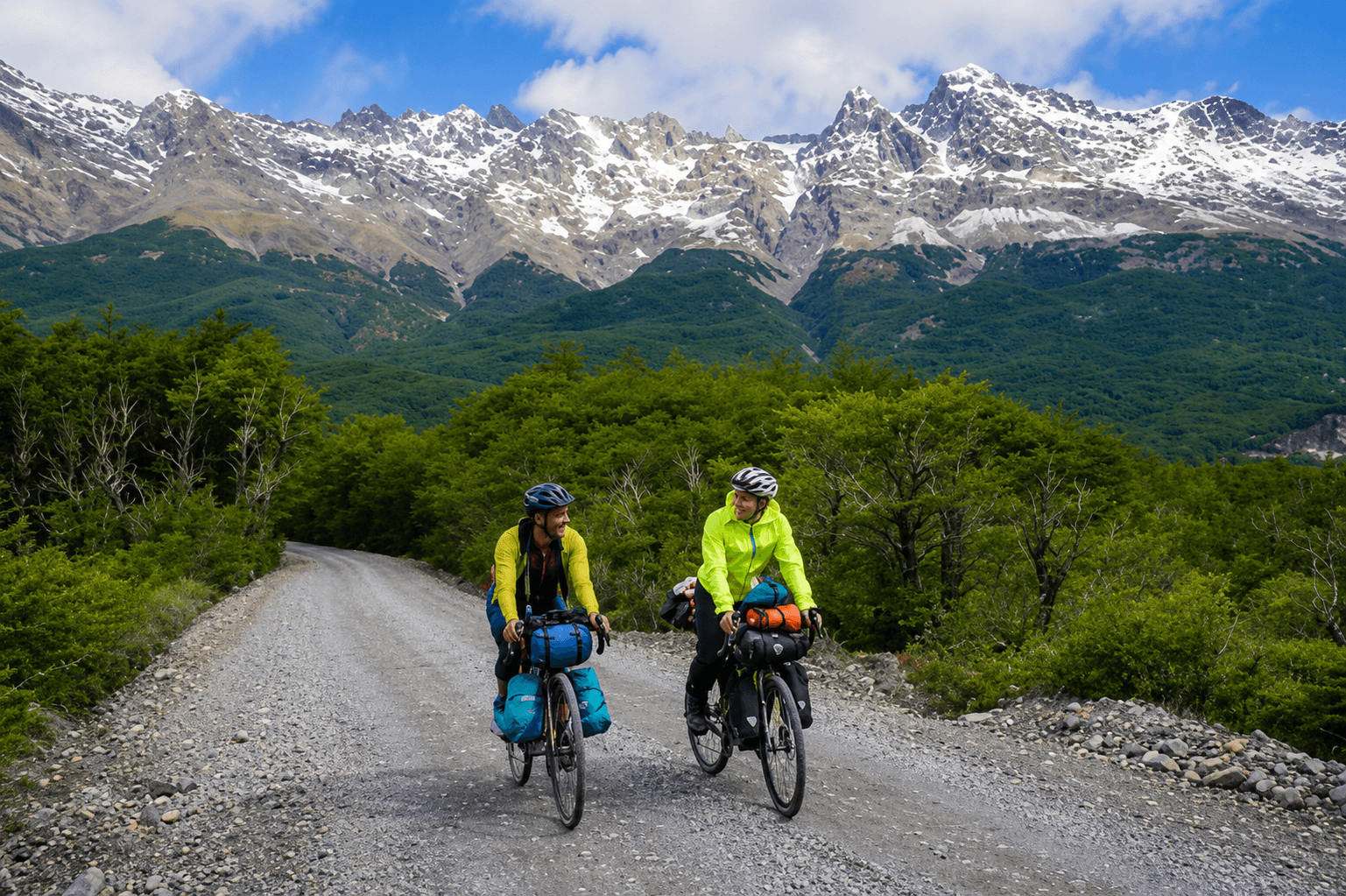
The End of the World trail is not your typical cycling route. Much of it follows unpaved roads that cut through isolated plains and rugged wilderness. Riders are often accompanied only by the sound of the wind and the occasional sighting of guanacos, rheas, foxes, and condors.
As the kilometres roll by, Patagonia reveals itself in dramatic fashion. Vast grasslands stretch endlessly to the horizon, while snow-capped peaks rise in the distance. Golden sunsets bathe the landscape in warm hues, and every turn of the pedal offers a new perspective on one of the world’s last great wildernesses.
Unlike traditional tourism, cycling allows travellers to slow down and connect with the environment. Rather than rushing between attractions, riders become part of the landscape itself.
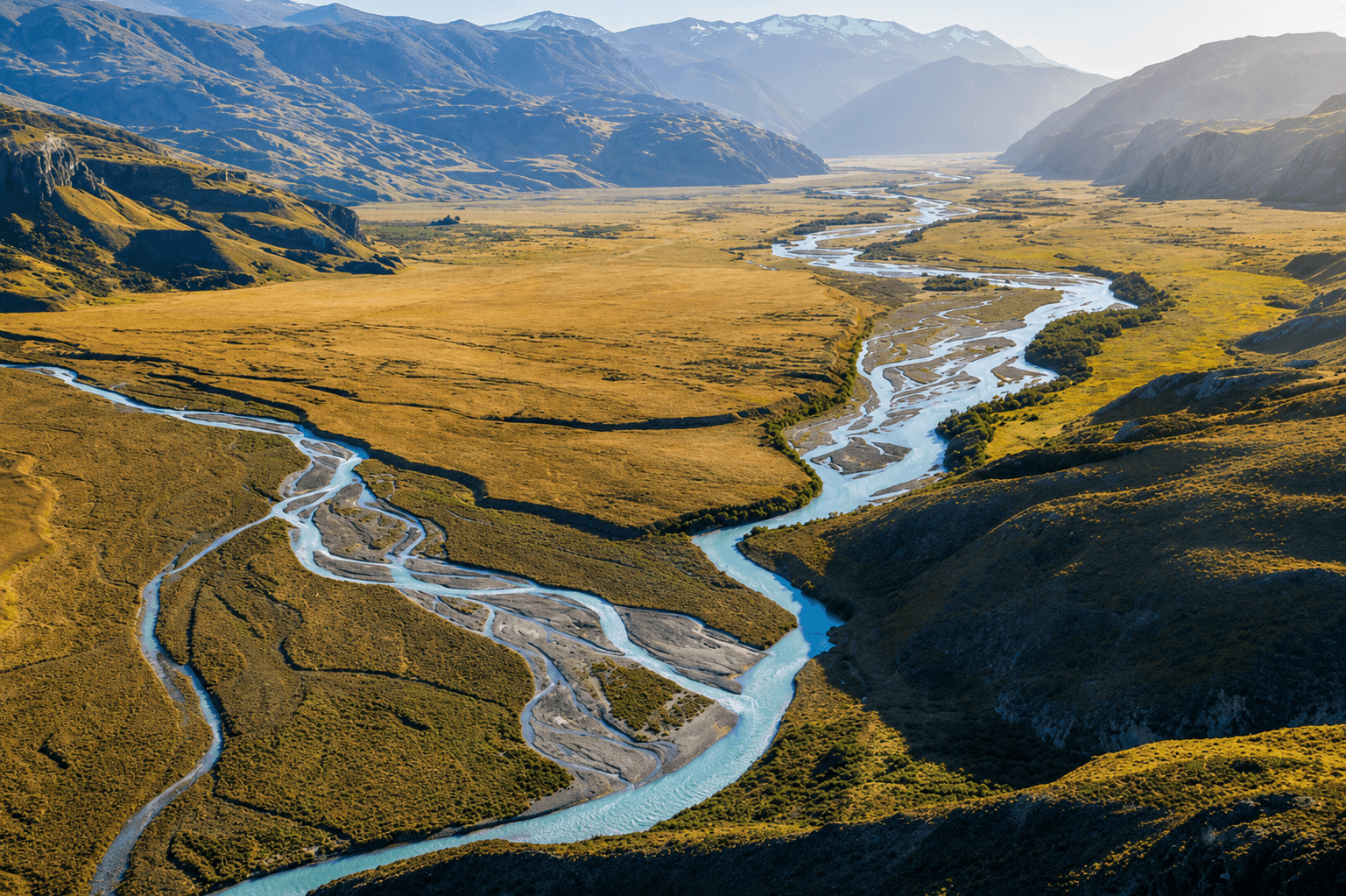
Patagonia’s beauty today is the result of decades of conservation efforts. Once dominated by large sheep ranches that degraded the fragile ecosystem, much of the region has been transformed through ambitious rewilding projects.
Following the decline of the wool industry in the late 20th century, conservation groups began purchasing former ranchlands and restoring them to their natural state. Today, Patagonia is home to some of the largest protected areas in the world, safeguarding diverse habitats ranging from glaciers and temperate rainforests to vast open steppes.
This remarkable conservation success has helped wildlife return to areas where it had nearly disappeared, creating extraordinary opportunities for nature-based tourism.
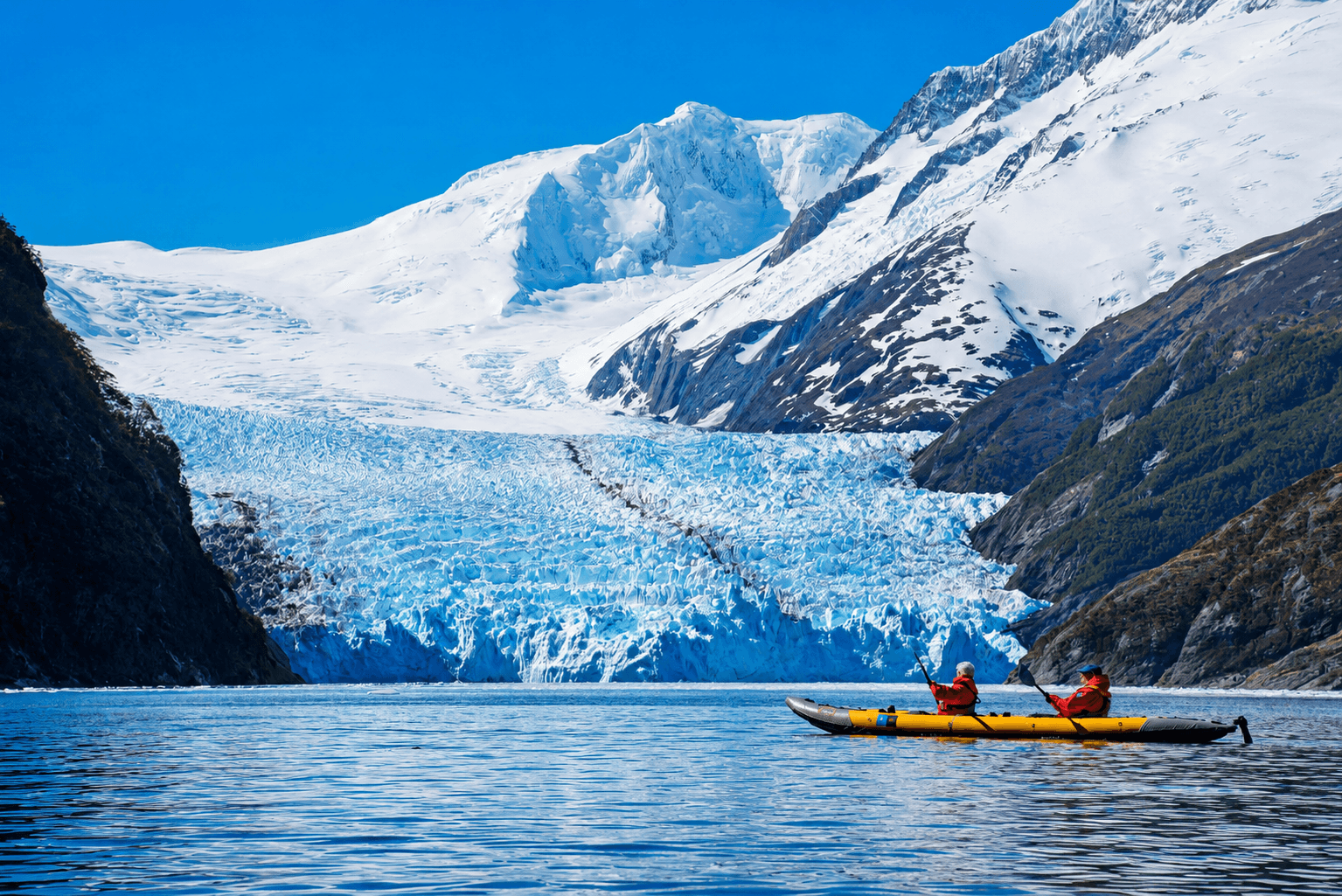
One of the highlights of the journey is Torres del Paine National Park in Chile. Famous for its iconic granite towers, turquoise lakes, and dramatic mountain scenery, it attracts hundreds of thousands of visitors each year.
Cyclists approaching the park are rewarded with unforgettable views of the towering peaks glowing gold in the evening sunlight. However, venturing beyond the park’s most popular trails reveals a quieter side of Patagonia.
Remote gravel tracks outside the park boundaries offer equally stunning scenery without the crowds. Here, riders can enjoy uninterrupted views of glaciers, mountains, and pristine lakes while encountering wildlife in its natural habitat.
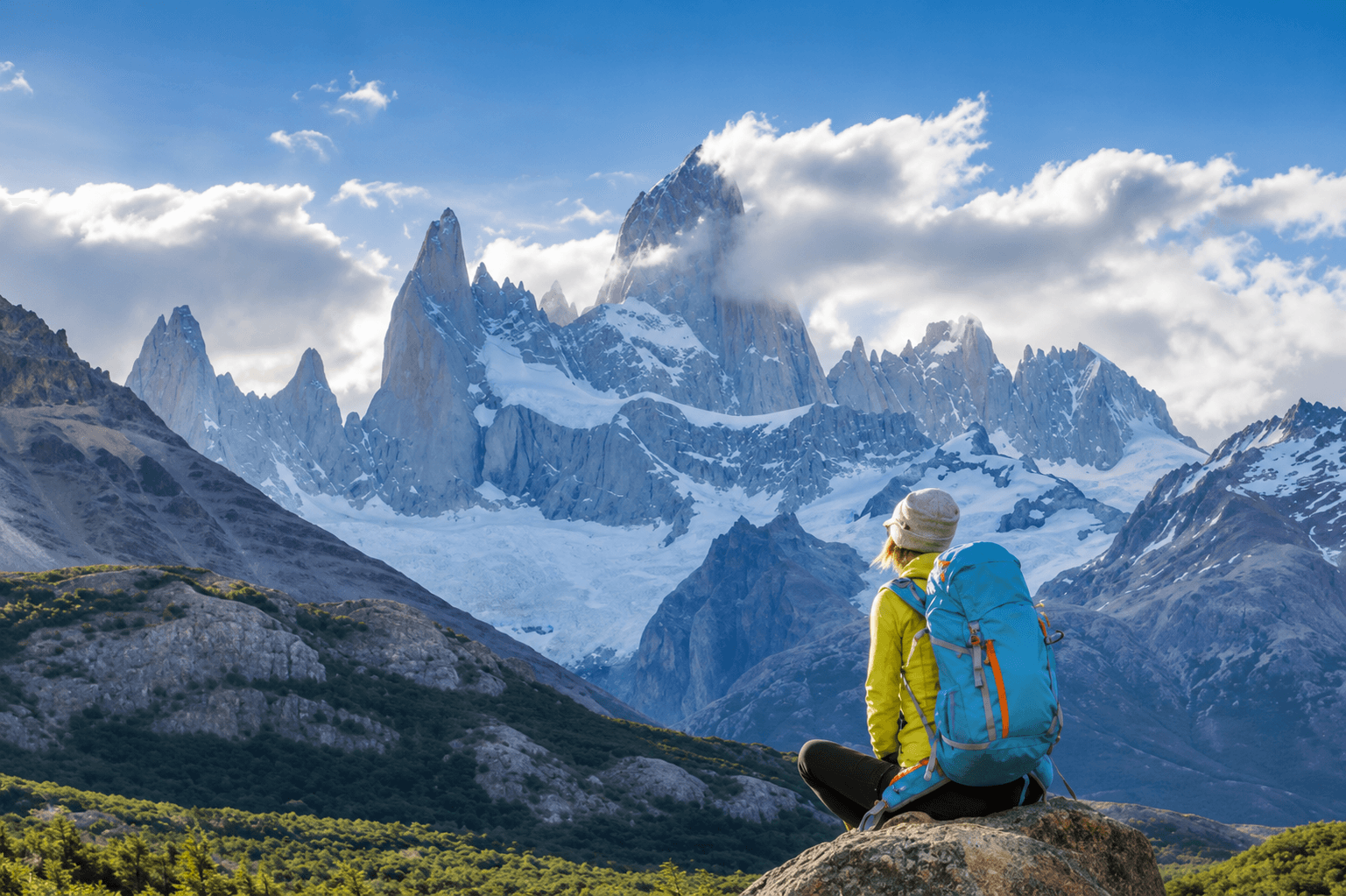
One of the greatest rewards of cycling Patagonia is the opportunity to meet the people who call this remote region home.
Along the route, cyclists may stop at isolated estancias (ranches) where local families have lived for generations. Hospitality remains a hallmark of Patagonian culture, and travellers are often welcomed with homemade bread, tea, and stories of life in one of the world's most remote regions.
These encounters offer a glimpse into a way of life shaped by vast distances, harsh weather, and a deep connection to the land.
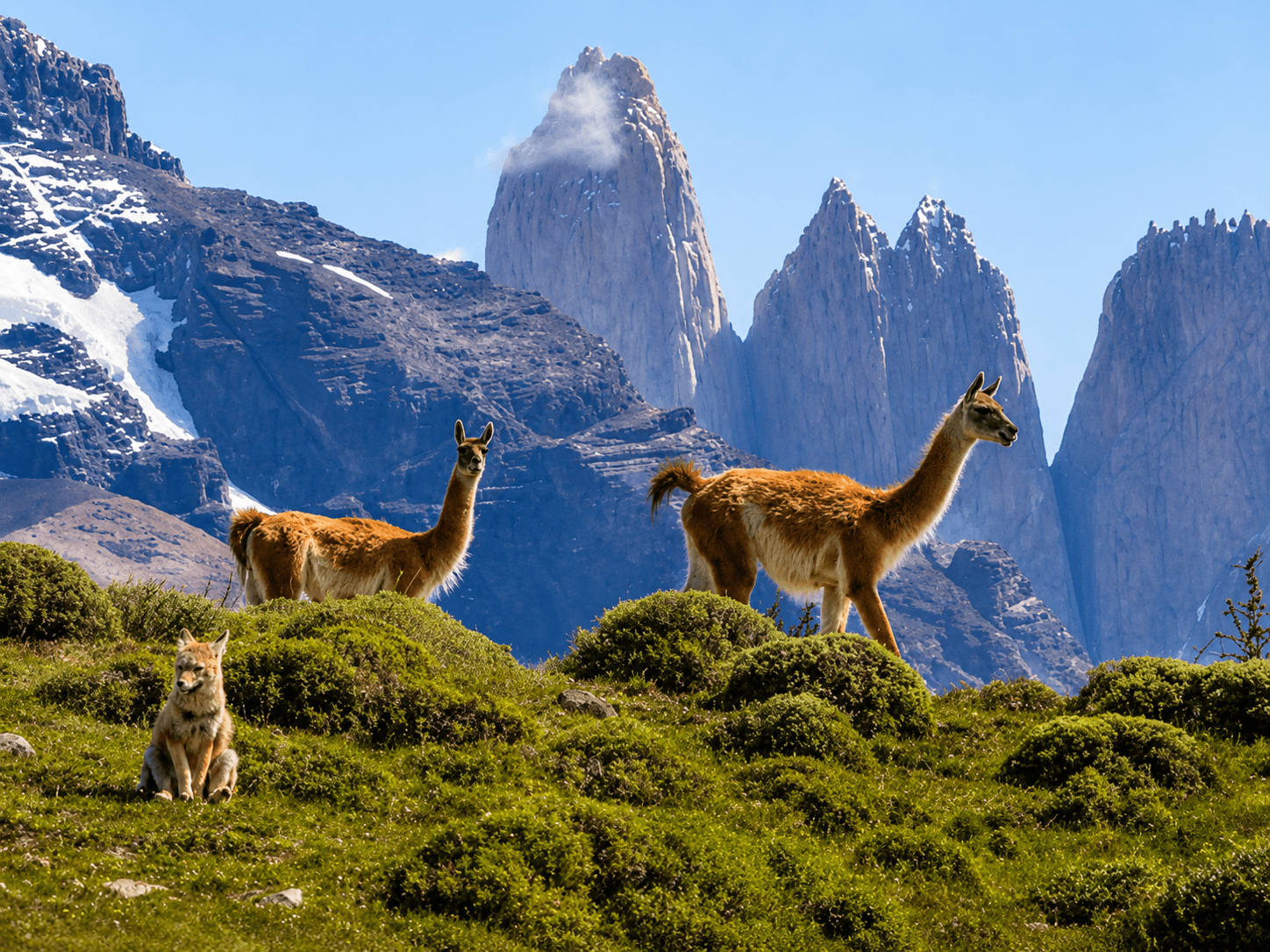
After crossing the Strait of Magellan by ferry, the adventure continues into Tierra del Fuego, the legendary island at the southern edge of South America.
The roads become even more remote, winding through dramatic coastal landscapes and windswept plains. Here, cyclists may spot Magellanic penguins, sea lions, and seabirds along the rugged shoreline.
The island's untamed beauty provides a fitting finale to one of the world's great cycling adventures.
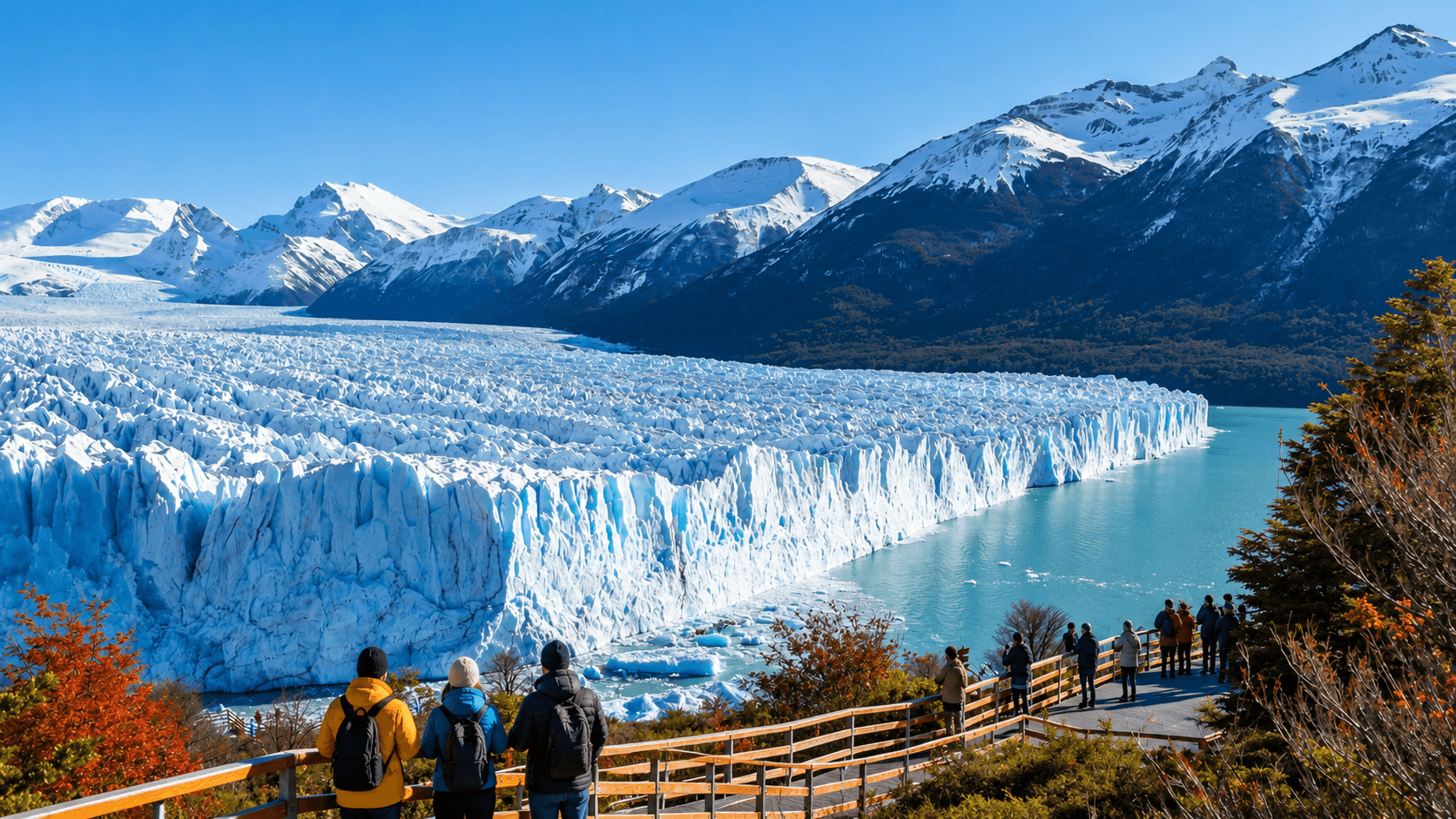
As the route nears Ushuaia, Patagonia undergoes another transformation. Open plains give way to dense forests, colourful autumn foliage, and the rugged peaks of the Fuegian Andes.
Many cyclists spend their final night at the abandoned Hosteria Petrel near Lago Escondido, a legendary stop among bikepackers. Hidden deep within the forest, the lakeside refuge offers a peaceful place to reflect on the journey before reaching the end of the road.
Arriving in Ushuaia marks the completion of a remarkable adventure-one measured not just in kilometres, but in experiences, encounters, and moments of awe.
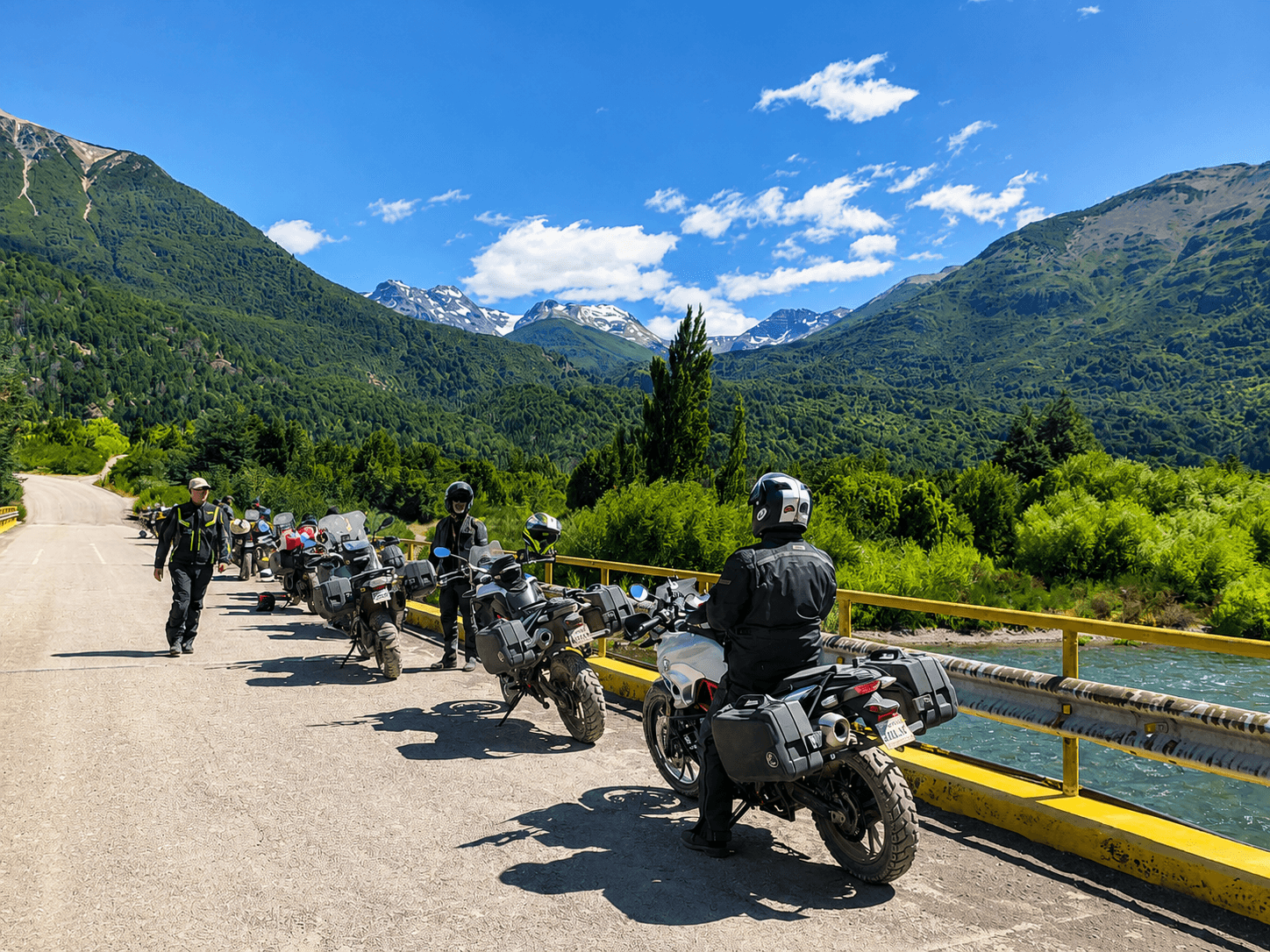
Patagonia’s End of the World trail is more than just a cycling route. It is a journey through some of the most spectacular landscapes on Earth, offering a deeper connection to nature, conservation, and local culture.
From towering granite peaks and remote beaches to wildlife encounters and unforgettable sunsets, every day brings new discoveries. For adventurous travellers seeking a truly immersive experience, few journeys can rival a 1,400km bike ride through Patagonia.
It’s not simply about reaching the destination—it’s about embracing the wild beauty of the journey itself.
Share it with your friends